 09Apr
09Apr 

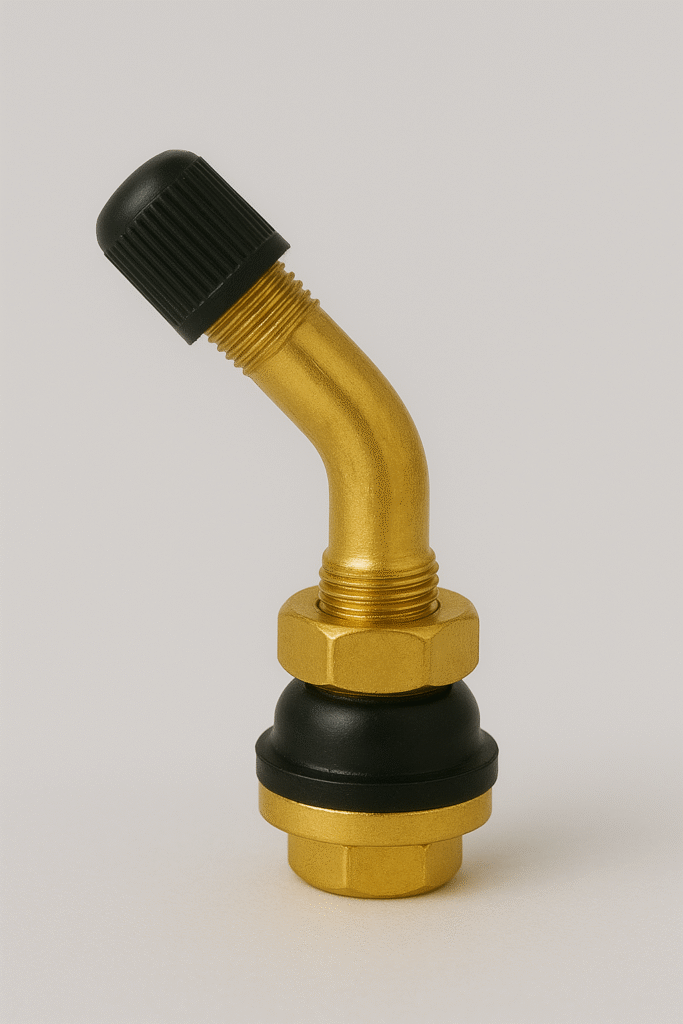
When selecting valve stem covers for cars and trucks, durability and sealing performance are the primary considerations. High-quality tire valve stem covers are typically manufactured from tough aluminum alloy to ensure structural strength and long service life. These materials provide strong resistance to rust and corrosion, reducing degradation caused by moisture, road salt, and environmental exposure.
A properly designed valve stem cover includes an internal rubber valve seal that supports stable tire pressure by minimizing air leakage. Durable covers maintain performance under rain, sunlight, mud, and temperature changes without cracking or fading. Most designs offer universal compatibility, allowing installation on nearly all vehicles equipped with standard Schrader valves. Choosing reliable valve stem covers ensures long-term protection, reduced maintenance concerns, and consistent tire performance.
Best Valve Stem Covers: Quick Comparison Table
Top Valve Stem Covers at a Glance
For a clearer overview of current options, the following table compares several leading valve stem covers based on expert evaluation, user feedback, and core characteristics. This allows side-by-side assessment of material quality, sealing reliability, and overall performance.
| Product Name | Expert Score | User Rating (out of 5) | Number of Reviews | Key Features |
|---|---|---|---|---|
| CKAuto Tire Valve Stem Cap | 9.7 | 4.6 | 8,396 | Corrosion resistant, premium aluminum alloy, universal fit for cars, trucks, bikes |
| ExeQianming Tire Valve Caps with O Rubber Ring | 9.6 | 4.6 | 31,920 | Airtight seal, anti-skid design, screw-on, universal for multiple vehicles |
| ExeQianming Anodized Aluminum Valve Stem Caps | 9.5 | 4.2 | 2,172 | Durable anodized aluminum construction, universal compatibility |
| Knurled Billet Aluminum Colored Valve Stem Covers | 10 | 5.0 | 11 | High visibility finish, textured grip surface, precision fit |
🏆 Tip: For users prioritizing grip and visibility, knurled billet aluminum designs receive high ratings. CKAuto and ExeQianming models are recognized for corrosion resistance and dependable sealing performance.
Key Features and Ratings
Durable valve stem covers rely on high-grade materials such as aluminum alloy or nickel-plated brass. These materials provide resistance against corrosion and environmental wear, particularly in rain, snow, and muddy conditions.
Many premium designs integrate a rubber O-ring inside the cap. This feature provides a secondary airtight seal, helping maintain tire pressure even if minor valve core looseness occurs.
Important selection criteria include:
- Material Quality:
Metal caps such as aluminum or stainless steel provide greater mechanical strength than plastic. Certain designs incorporate ozone-resistant EPDM rubber to reduce cracking and UV degradation. - Fit Compatibility:
Most vehicles use Schrader valves, making universal-fit covers suitable for cars, trucks, motorcycles, and bicycles. - Threading Quality:
Precision threading ensures secure engagement and prevents loosening during driving. - Corrosion Resistance:
Protective coatings and anodized finishes help prevent oxidation and extend service life. - Protection Against Debris:
Valve stem covers block sand, water, and contaminants from entering the valve core area. - Air Leakage Prevention:
Covers with internal seals provide an additional barrier against slow pressure loss. - Suitability for Conditions:
Metal covers are preferred for off-road or extreme weather environments. - Additional Features:
Some designs include pressure indicators or locking mechanisms for enhanced safety and theft deterrence.
Expert reviews and user ratings consistently show strong performance for aluminum alloy valve stem covers, especially those equipped with sealing rings and corrosion-resistant finishes. High ratings reflect durability, fit precision, and reliable long-term use.
Selecting high-quality valve stem covers contributes to protection, operational reliability, and consistent tire maintenance.
Why Durable Valve Stem Covers Matter for Preventing Air Leaks

Protection Against Damage and Corrosion
Valve stem covers protect the valve assembly from dirt, moisture, and chemical exposure. Aluminum or brass covers offer improved durability and corrosion resistance compared to basic plastic versions.
Exposure to water, road salt, and debris can accelerate corrosion on unprotected valve stems. Over time, corrosion weakens structural integrity and increases the likelihood of leakage. Durable covers reduce this risk by forming a barrier against environmental contaminants.
Tip: After driving through rain or snow, inspect valve stem covers to confirm secure installation and absence of damage.
Preventing Air Leaks and Tire Pressure Loss
Durability directly impacts air retention performance. Tight-fitting covers equipped with rubber seals prevent dust and moisture intrusion, helping maintain consistent internal tire pressure.
Loose or missing covers increase the risk of slow leaks. Even minor pressure loss can accelerate tire wear and reduce fuel efficiency over time.
Durable valve stem covers:
- Block dust, dirt, and moisture
- Reduce valve damage that may lead to leaks
- Maintain a stable seal against slow pressure loss
- Offer superior corrosion resistance compared to plastic alternatives
Selecting robust covers lowers the probability of pressure instability and contributes to extended tire service life.
Cost Savings and Extended Valve Life
Investing in high-quality valve stem covers reduces long-term maintenance costs. By protecting valve stems from corrosion and leakage, replacement frequency decreases.
Improved sealing performance also helps prevent uneven tire wear and potential blowouts caused by pressure fluctuations. Regular inspection and timely replacement of worn covers support sustained performance and operational safety.
Features That Make a Valve Stem Cover Durable
Material Quality: Aluminum Alloy, Rubber, and Plastic
Material selection defines overall durability. Aluminum alloy remains a preferred option due to high corrosion resistance and structural stability. Alloys such as 6061 or other 6000-series grades are commonly anodized to resist oxidation and environmental damage.
Carbon fiber–reinforced aluminum combinations further enhance durability and corrosion resistance while improving aesthetics. Titanium provides lightweight strength and superior resistance to environmental stress. Stainless steel and billet aluminum also offer long-term durability with polished finishes.
Plastic covers provide lightweight affordability but offer lower wear resistance compared to metal. Rubber components are primarily used internally for sealing rather than external structural protection.
| Material Type | Wear Resistance | Environmental Resistance | Notes on Valve Stem Covers |
|---|---|---|---|
| Aluminum Alloy | High | Excellent corrosion resistance, waterproof | Superior durability and long service life |
| Plastic | Lower | Good chemical resistance, requires UV stabilizers | Lightweight but less durable |
| Rubber | Used for seals | Supports airtight sealing | Internal sealing support only |
Sealing, Corrosion Resistance, and Weatherproofing
Effective sealing depends on rubber O-rings or integrated sealing components. Laboratory sealing tests confirm that high-quality covers prevent air escape under pressure conditions.
Anodized aluminum, titanium, and stainless steel provide advanced corrosion resistance in rain, snow, and road salt exposure. Weatherproof coatings enhance longevity under harsh environmental conditions.
Tip: Always verify the presence of an internal rubber seal for improved airtight performance.
Design, Fit, and Universal Compatibility
A secure fit and ergonomic design contribute to ease of installation and long-term reliability. Grip ridges or domed shapes assist manual tightening, even under oily or wet conditions.
Universal compatibility ensures installation on rubber, brass, chrome, or aluminum valve stems across cars, trucks, motorcycles, ATVs, and bicycles.
Key design elements:
- Integrated rubber O-ring
- Universal Schrader compatibility
- Durable metal construction
- Easy manual installation
Combining structural strength with proper fit ensures extended durability and operational consistency.
How to Choose the Best Valve Stem Covers for Cars and Trucks
Matching Valve Stem Covers to Vehicle Type
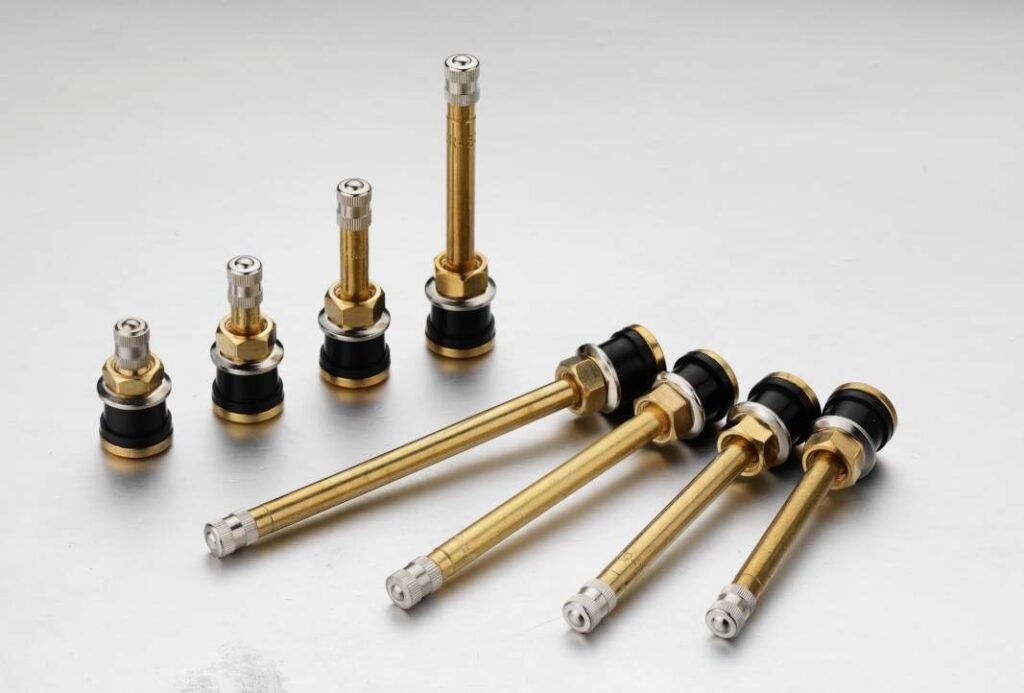
Vehicle compatibility begins with identifying valve type. Most passenger vehicles and light trucks use Schrader valves, supporting universal-fit covers.
Selection considerations:
- Material durability (metal preferred over plastic)
- Weather resistance for environmental protection
- Secure threading to prevent loosening
- Pressure rating compatibility
Light trucks may require valve stems rated above 65 psi. Wheel design and rim structure should also be considered when selecting compatible covers.
Tip: Replace valve stems during tire changes or when visible damage is detected.
Quality certifications such as ISO9000 or QS9000 indicate manufacturing compliance and consistent quality standards.
Considering Driving Conditions and Environments
Driving environment significantly affects longevity.
- City Driving: Metal covers provide improved debris protection.
- Highway Driving: Strong seals prevent leakage at sustained high speeds.
- Off-Road Conditions: Aluminum alloy or stainless steel covers offer superior durability and corrosion resistance.
Extreme temperatures may degrade plastic or rubber components. Metal covers with internal seals provide better stability across temperature fluctuations.
Note: Built-in rubber O-rings improve moisture resistance and sealing stability.
Style, Finish, and Personal Preferences
Valve stem covers also contribute to visual styling. Available finishes include anodized aluminum, chrome, powder-coated colors, and stainless steel.
| Style Option | Finish Type | Best For | Extra Features |
|---|---|---|---|
| Knurled Grip | Anodized Aluminum | Improved handling | High visibility |
| Dome Shape | Chrome/Polished | Classic appearance | Universal fit |
| Colored Caps | Powder Coated | Customization | UV resistance |
| Locking Caps | Stainless Steel | Security | Anti-theft design |
Selecting covers that combine durability and preferred aesthetics supports both protection and visual consistency.
Valve Stem Caps Performance and Value Comparison
Longevity, Maintenance, and Ease of Use
High-quality valve stem caps resist cracking and fading during prolonged use. Materials such as brass or aluminum maintain structural integrity under vibration and temperature changes.
Maintenance advantages include:
- Tool-free removal and installation
- Replaceable sealing components
- Simplified inspection procedures
| Aspect | Packing Seals | Bellows Seals |
|---|---|---|
| Installation & Replacement | Adjustable without full disassembly | Requires full disassembly |
| Cost Implications | Lower ownership cost | Higher maintenance cost |
| Reliability & Performance | May allow minor leakage | Zero leakage capability |
| Operational Impact | Reduced downtime | Increased service complexity |
| Environmental & Efficiency | Easier maintenance reduces losses | Planned replacement cycles |
Tip: Choose designs that allow easy inspection and maintenance.
Price vs. Quality: What to Expect
Premium valve stem caps often use brass with nickel plating for corrosion resistance. High-quality brass caps may cost approximately $5–6 per unit. Performance-grade sets may range from $20 to over $80 depending on material composition.
Higher cost typically reflects:
- Improved corrosion resistance
- Extended service life
- Enhanced sealing capability
Lower-cost plastic alternatives may degrade more quickly and offer reduced protection.
Selecting durable, corrosion-resistant materials ensures long-term value.
Top Brand Recommendations for Valve Stem Covers
Fortune Valve Stem Covers: Quality and Innovation
Fortune valve stem covers emphasize material quality and structural reliability. Manufactured from advanced aluminum alloys with integrated rubber seals, these covers are engineered for corrosion resistance and extended service life.
Strict quality control procedures and durability testing ensure consistent performance under daily driving conditions. Universal compatibility supports installation across a wide range of vehicles.
Fortune engineering teams implement rigorous inspection standards to maintain performance consistency and long-term reliability.
Other Leading Brands in 2025
Several manufacturers invest in precision machining and advanced materials to improve durability and sealing reliability. Some brands integrate wireless pressure monitoring technology and protective coatings to enhance functionality.
Genuine OEM options from major automotive manufacturers provide precise fitment and material consistency. Bulk rubber or plastic caps remain economical options, while performance aluminum versions offer enhanced structural stability.
Warranty, Customer Support, and After-Sales Service
Established brands provide warranty coverage and responsive customer support. Clear warranty policies and accessible service channels contribute to overall purchase confidence.
Tip: Review warranty terms before purchasing to ensure long-term value and support.
Selecting durable valve stem covers protects valve integrity, reduces air leakage, and supports stable tire performance.
Key reminders:
- Confirm tight fit and pressure compatibility
- Inspect covers periodically
- Match cover material to driving conditions
Proper selection and maintenance contribute to reduced leakage risk and sustained tire performance.
FAQ
How often should valve stem covers be replaced?
Inspect during routine tire checks. Replace if cracking, corrosion, or looseness is observed. High-quality covers typically last several years.
Do valve stem covers prevent air leaks?
They provide secondary protection and help block contaminants. Covers with rubber seals can slow minor leakage but cannot repair damaged valve cores.
Are valve stem covers universal?
Most are compatible with standard Schrader valves used on cars, trucks, SUVs, and bicycles.
Are metal covers superior to plastic?
Metal covers offer greater corrosion resistance and durability. Plastic covers are economical but less resistant to environmental wear.
What happens without valve stem covers?
Moisture and debris can enter the valve, causing corrosion and slow pressure loss. Maintaining installed covers helps preserve valve performance.
 Request a quote