What is the difference between rubber and metal tire valves?
 20Mar
20Mar 


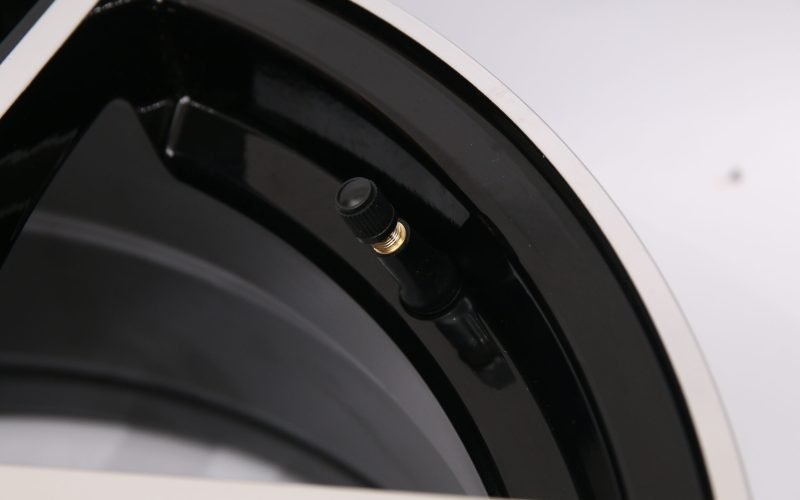
In a complete inflation system, tire valves, internal valve cores, and external tire valve caps work together to maintain stable air pressure. The valve core performs the primary sealing function, while the cap provides secondary protection against contamination, corrosion, and accidental pressure loss. Although small in size, air caps directly influence the long-term reliability of the valve assembly. Upgrading to higher-quality caps improves sealing integrity, reduces maintenance frequency, and protects the overall tire care routine.
Vehicle wheels operate in environments exposed to dust, water spray, brake residue, and road salt. Without a protective cap, contaminants can accumulate at the valve opening. Over time, this contamination may interfere with the valve core’s ability to seal correctly.
A properly designed cap:
Caps equipped with internal O-rings provide additional sealing force when tightened, creating a barrier against environmental exposure.
The valve core retains air under pressure, but caps serve as a secondary defense. If debris enters the valve or if the core experiences minor wear, a well-fitted cap helps limit slow leakage.
Stable tire pressure contributes to:
Although caps do not replace the function of the valve core, they enhance overall system reliability by minimizing external contamination.
Beyond protection, air caps also influence wheel aesthetics. Anodized aluminum, stainless steel, and coated finishes provide a refined appearance while maintaining structural durability. For many vehicle owners, upgrading caps is a minor adjustment that complements wheel design without compromising functionality.

Manufactured from precision-machined aluminum alloy, these caps provide corrosion resistance and dimensional consistency. The threaded design ensures smooth engagement with standard Schrader valves.
Fortune produces these caps under controlled quality standards, including surface treatment validation and thread tolerance inspection. The result is reliable sealing performance and long-term durability in daily driving conditions.
Key characteristics:
For both passenger vehicles and light commercial applications, this design offers balanced protection and ease of maintenance.
These caps incorporate visual indicators that display approximate pressure levels through color-coded systems. While not a substitute for calibrated gauges, they provide a quick reference for identifying significant pressure loss.
Advantages include:
They are particularly useful for drivers seeking simplified routine checks.
Motorcycle applications require compact, vibration-resistant components. Lightweight metal caps with secure threading help prevent loosening during high-speed operation. Their durability under continuous vibration makes them suitable for touring and long-distance riding.
Chrome-plated or polished metal caps combine corrosion resistance with broad compatibility. Their strength and surface treatment allow them to withstand seasonal weather changes while maintaining structural integrity.
Suitable for:
Double seal designs incorporate dual internal sealing elements. This configuration enhances resistance to contamination and minimizes pressure fluctuation. Some versions allow pressure checks without full cap removal, streamlining maintenance procedures.
Benefits include:

Maintaining stable pressure reduces irregular tread wear and excess heat buildup. By protecting valve openings and reducing contamination risk, upgraded caps indirectly support tire lifespan.
Consistent tire pressure improves braking response, steering precision, and overall vehicle stability. Reliable sealing at the valve assembly reduces the chance of unexpected air loss.
Replacing worn or corroded valve components can become costly over time. Durable caps extend valve service intervals and reduce exposure-related damage.
| Material | Strength | Corrosion Resistance | Typical Application |
|---|---|---|---|
| Aluminum Alloy | High | Excellent | Daily driving |
| Stainless Steel | Very High | Superior | Harsh environments |
| Reinforced Polymer | Moderate | Good | Standard commuting |
Material choice influences durability under UV exposure, road salt, and thermal cycling.
While decorative options are available, structural quality and sealing reliability should remain primary considerations. A cap must thread smoothly, seat evenly, and resist seizing to ensure consistent serviceability.
Correct installation ensures proper function:
Regular inspection prevents long-term degradation of the valve assembly.
You should check your air caps every few months. If you see cracks or rust, swap them out right away. Clean caps last longer and keep your tire valves safe.
Most air caps fit standard valve stems on cars, trucks, and bikes. Some specialty vehicles may need different accessories. Always check your vehicle’s manual before you buy new caps.
Yes! Air caps help keep dirt and water out, so your tire valves work better. This helps your tires hold air longer and keeps your ride smooth.
You can find top-quality engine accessories at auto parts stores or trusted online shops. Look for brands with good reviews and strong warranties to get the best value.
Decorative air caps add style, but they also protect your tire valves. You get both a cool look and extra safety for your wheels.
 Request a quote