What is the difference between rubber and metal tire valves?
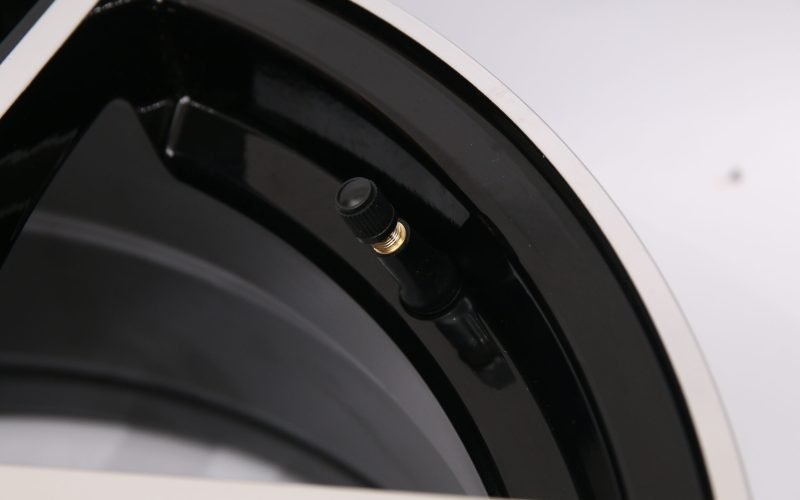 20Mar
20Mar 

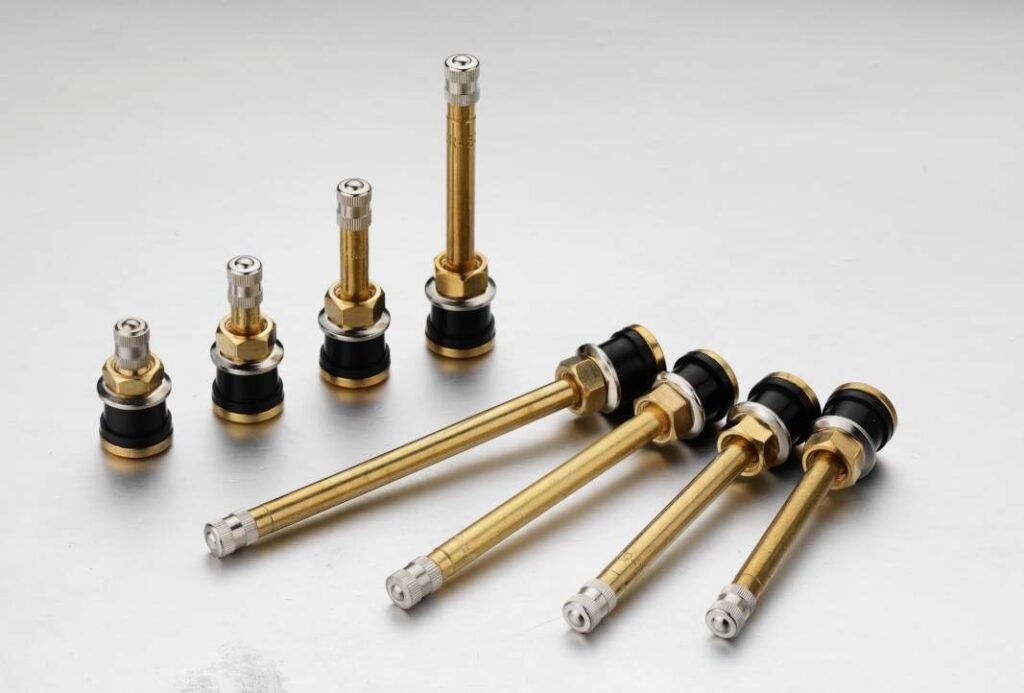
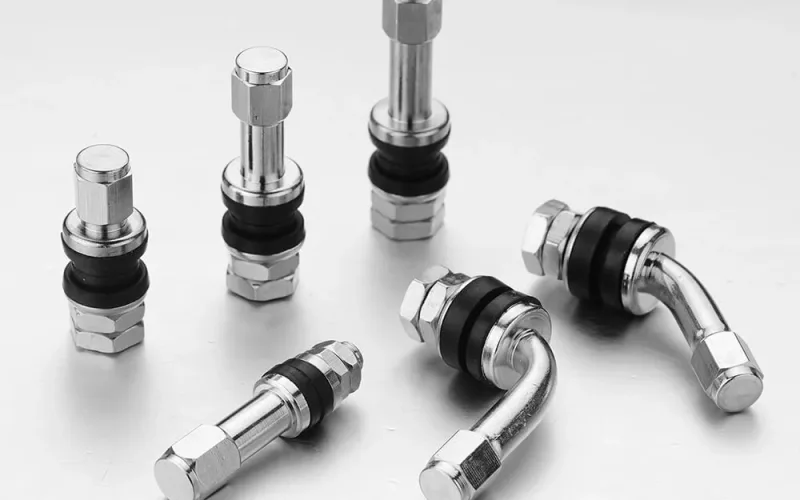
In modern wheel systems, the tire valve is the primary sealing interface that maintains internal air pressure under dynamic load, temperature variation, and vibration. Among all valve structures, the auto Schrader design remains the dominant standard because it integrates reliable valve cores, supports both rubber and metal stem configurations, and is fully compatible with contemporary TPMS valves used in electronic pressure monitoring systems.
Although physically small, the Schrader valve directly influences pressure retention stability, vehicle handling, fuel efficiency, and tire service life. When tire pressure drops below specification, rolling resistance increases and structural heat buildup accelerates. In commercial and passenger vehicle applications, even moderate underinflation results in measurable fuel loss and increased tread wear. The valve’s ability to maintain airtight integrity is therefore not a minor detail—it is a core element of wheel safety engineering.
An auto Schrader valve is a spring-loaded mechanical check valve installed in the wheel rim to control air inflation and retention. It consists of a hollow stem body with an internally threaded chamber that houses a removable valve core assembly.
The core operates through a calibrated spring mechanism. When external pressure is applied—via an air chuck or gauge—the center pin depresses, lifting the internal seal and allowing air to flow. Once the external force is removed, the spring reseats the seal against its seat surface, restoring airtight closure.
This design has remained mechanically consistent for more than a century because of its reliability, ease of manufacturing standardization, and compatibility with global inflation equipment.
Typical automotive Schrader valves include:
The standard outer diameter is approximately 8 mm, requiring a defined rim hole size. Its thicker construction compared to bicycle-specific designs improves mechanical strength and resistance to bending or impact.
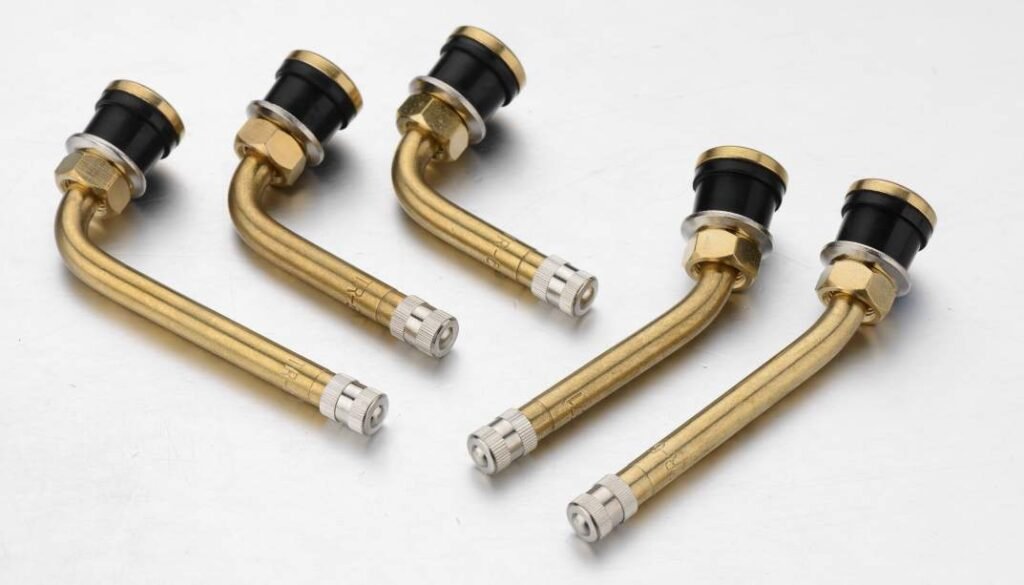
Schrader valves are primarily installed in wheel rims for tire inflation control. In addition, similar core-based designs are used in:
In wheel applications, the valve must withstand centrifugal force, road debris exposure, temperature cycling, and chemical contact such as brake dust and road salt.
Modern material upgrades include:
These improvements enhance corrosion resistance and extend service life, especially in heavy-load or high-speed environments.
A complete assembly consists of three primary functional elements:
| Component | Engineering Function |
|---|---|
| Valve Stem | Structural housing and rim interface |
| Valve Core | Controls airflow and provides primary seal |
| Spring Mechanism | Ensures automatic resealing after inflation |
The valve stem anchors the system to the wheel. The valve core manages airflow. The spring ensures immediate closure once inflation equipment is removed.
Precision machining of the core seat and controlled spring calibration are critical for maintaining airtight performance under pressure.
Inflation sequence:
Deflation follows the same mechanism in reverse. The threaded shell allows secure attachment of pumps and gauges even at higher pressures.
Leakage typically results from contamination, worn seals, or improper torque during core installation.
Consistent pressure retention is fundamental to:
The spring-loaded valve core prevents passive air escape between service intervals. When correctly manufactured and installed, the system maintains airtight integrity across repeated inflation cycles.

Tire pressure directly influences contact patch geometry and structural stress. Underinflation increases sidewall flexing and heat buildup, while overinflation reduces road contact and unevenly distributes load.
The Schrader valve ensures that once pressure is set, it remains stable until adjustment is required. Without a reliable sealing mechanism, maintaining specified tire pressure would not be possible.
Modern vehicles increasingly rely on tire pressure monitoring systems for real-time data feedback. In many configurations, the valve stem and TPMS sensor are integrated into a single assembly.
In these systems:
Metal clamp-in TPMS valves are commonly specified for improved rigidity and torque retention. Incorrect valve replacement can compromise sensor accuracy and lead to pressure loss.
Compatibility between TPMS modules and valve structure is therefore critical during maintenance.
Stable inflation reduces rolling resistance. Reduced rolling resistance lowers fuel consumption and decreases carbon emissions in fleet applications.
Pressure stability also prevents uneven tread wear. When tires operate within specification:
The Schrader valve’s sealing reliability is therefore directly linked to operational cost control and sustainability objectives in commercial fleets.
The primary alternative in cycling and specialty applications is the Presta valve. However, automotive use favors Schrader design due to its structural robustness and universal compatibility.
| Feature | Schrader Valve | Other Valve Types |
|---|---|---|
| Diameter | Wider, stronger structure | Narrower designs |
| Pump Compatibility | Compatible with most service equipment | Often requires adapters |
| Durability | High mechanical strength | More delicate |
| Serviceability | Replaceable valve cores | Varies by type |
| Cost Efficiency | Economical for mass automotive use | Typically niche applications |
Schrader valves are better suited to automotive load conditions and repeated service cycles. Their thicker stem and standardized core design enhance durability in harsh environments.
Routine inspection should include:
If air loss occurs without visible tire damage, the valve core should be inspected first. Contaminants or worn sealing gaskets are common failure points.
Core replacement must be performed only after relieving tire pressure. Proper torque prevents seal distortion.
Metal TPMS valves require torque verification at the retaining nut to maintain rim sealing compression.
From a supplier perspective, Schrader valve performance depends on:
At fortune, both rubber snap-in and metal clamp-in TPMS valve assemblies are produced under dimensional inspection protocols with batch-based air retention testing. Replaceable valve cores are manufactured to controlled thread and seal tolerances to ensure consistent installation torque and long-term sealing stability.
To support complete wheel system performance, fortune also supplies precision tire weight solutions engineered for accurate balance distribution. Proper balancing reduces vibration loads that can accelerate valve fatigue or seal wear, contributing to overall wheel assembly durability.
The auto Schrader valve remains essential in modern vehicles because it provides a mechanically simple yet highly reliable pressure retention system. Through its calibrated valve core mechanism, robust stem structure, and compatibility with TPMS integration, it supports safe handling, fuel efficiency, and tire longevity.
When produced under strict dimensional control and validated through air-tightness testing, Schrader-type tire valves deliver consistent sealing performance across passenger, commercial, and fleet applications. Proper installation, inspection, and component quality ensure long-term reliability within the complete wheel system.
You use a Schrader valve to keep air inside your tire. It lets you add or release air when needed. The spring-loaded core seals tightly, so your tire stays at the right pressure for safe driving.
You should check your Schrader valve every time you check tire pressure. Most experts recommend doing this once a month. Regular checks help you spot leaks or damage early.
Yes, you can replace a faulty Schrader valve with a valve core tool. Make sure you release tire pressure first. Always use a new, high-quality valve core for best results.
A damaged or dirty Schrader valve can cause slow air leaks. Dirt or corrosion may stop the valve from sealing. You can test for leaks by applying soapy water to the valve and watching for bubbles.
Most air pumps at gas stations and home garages fit Schrader valves. You do not need special adapters. This makes it easy for you to inflate your tires almost anywhere.
 Request a quote