 06Apr
06Apr 
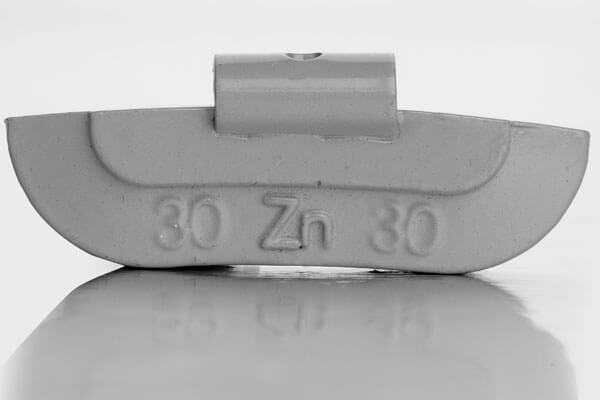
You might wonder if zinc wheel weights contain only zinc. Most manufacturers use zinc alloys, not pure zinc. Purity plays a crucial role in the performance and lifespan of these weights. High purity helps protect your wheels and the environment. Brands like Fortune Wheel Weights prioritize quality and ensure their products meet stringent standards.
Key Takeaways
- Most zinc wheel weights are not pure zinc; their zinc content is approximately 95%. Other metals, such as aluminum or copper, are often added to enhance strength.
- High-purity zinc wheel weights help tires achieve better balance, resulting in better vehicle performance and a longer lifespan, making them a wise choice for safety.
- Zinc wheel weights are more environmentally friendly than lead weights, causing less harm to plants, animals, and water bodies.
- Always check the zinc content on the product label. Higher purity means better performance and compliance with safety standards.
- Choose a trusted brand like Fortune for robust and safe wheel weights. These weights meet stringent industry standards.
Zinc Content in Wheel Weights
Typical Purity Levels
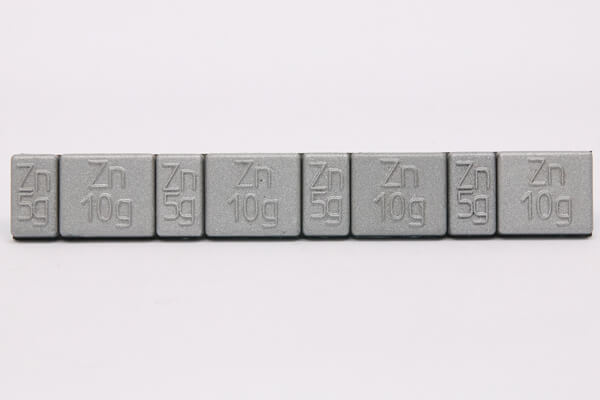
Not all zinc wheel weights are exactly alike. Many wheel weights are not made of pure zinc, but rather of zinc alloys. This means that other metals are mixed into the zinc. These mixtures help the weights better balance the tire.
Manufacturers strive to maintain high zinc content. Most cars have a zinc purity of around 95%. This is sufficient to balance the wheels and prevent vibration. Racing cars or luxury cars require even higher zinc purity, sometimes exceeding 95%. These vehicles need perfect wheel balance to ensure safety and speed. Regulations stipulate that zinc purity must not be lower than 95%. This ensures the safety of people and the environment.
Reputable brands like Fortune follow these rules. This ensures you buy safe and reliable wheel weights.
Alloying Elements
You might ask, why not use pure zinc? The reason is simple. Pure zinc is relatively soft and easily worn. Adding other metals can enhance the strength of the counterweight and extend its lifespan.
The most commonly added metals are aluminum and copper. These metals increase the hardness of the counterweight and help it maintain its shape. The zinc content is sometimes between 90% and 98%, but usually around 95%. Aluminum makes the counterweight more robust and helps it retain its shape. Copper further enhances the strength of the counterweight and extends its lifespan.
Here are some reasons for choosing zinc alloys:
- Zinc alloys contain 80% to 90% zinc, with other metals added to enhance strength and maintain shape.
- Higher purity zinc alloys have more stable density, which is crucial for balance.
- For safety and environmental reasons, a zinc content of at least 95% is usually required.
- Different alloys have different properties. For example, Zamak 5, Zamak 2, and Zamak 3 are commonly used for wheel ballast. These alloys differ in strength and hardness.
Choosing wheel weights made of suitable alloy materials can not only improve vehicle performance but also extend the lifespan of the weights. Fortune wheel weights are made of high-strength zinc alloy, meeting stringent strength and durability standards.
Why Purity Matters in Zinc Wheel Weights
Performance and Durability
Purity is crucial to the performance of wheel counterweights. Using high-purity zinc alloy wheel counterweights allows for better tire balance, improving ride smoothness and ensuring driving safety. High-purity zinc alloy also enhances the strength of the counterweights, extending their lifespan. If the counterweights contain too many other metals, they are prone to wear or deformation.
You certainly want your wheel weights to stay firmly in place and not deteriorate over time. Fortune wheel weights are made from high-strength zinc alloys. These alloys offer excellent corrosion resistance and are less prone to rusting or strength loss. This means your wheel weights will function properly even when driving on wet, snowy, or muddy roads. Choosing high-quality wheel weights helps improve vehicle handling and reduces unnecessary repairs.
Tip: Always check that your wheel weights meet industry purity standards. This helps you achieve optimal performance and safety.
Environmental Impact
Purity not only affects the lifespan of wheel counterweights but is also crucial for the environment. Zinc wheel counterweights are more environmentally friendly than lead wheel counterweights. Lead, if it leaches into soil or water, can harm plants, animals, and even humans. To protect the environment, many places have banned the use of lead wheel counterweights.
The table below lists the environmental impact of different wheel counterweight materials:
| Material | Environmental Impact | Recycling |
|---|---|---|
| Zinc | More environmentally friendly, reducing the risk of lead exposure | Not specified |
| Steel | Low toxicity, easy to recycle | Yes |
| Lead | Significant environmental risks have accumulated on the roads | 75% recycled, 25% unmanaged |
Choosing zinc alloy wheel counterweights helps keep roads and waterways clean. Fortune adheres strictly to regulations to ensure its products meet environmental standards. The company uses a special coating and conducts corrosion resistance tests on its wheel counterweights. This means the counterweights have a longer lifespan and do not pollute the environment.
Choosing the right wheel counterweights is beneficial for both your vehicle and the planet. It’s a wise choice for your own safety and the environment around you.
Industry Standards for Wheel Weights
Accepted Purity Ranges
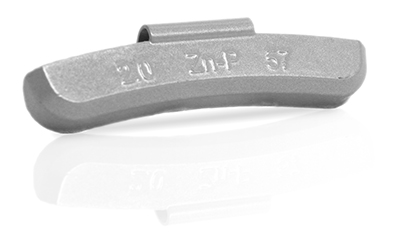
You may notice that not all wheel weights have the same zinc content. Industry standards guide the composition of these products. Most standards stipulate that zinc wheel weights should contain at least 95% zinc. This high purity helps the weight perform its intended function and extends its lifespan. However, some manufacturers use alloys containing up to 27% other materials. These additional metals, such as aluminum or copper, can affect the weight’s performance.
The table below shows the purity differences:
| Manufacturer Type | Zinc Content (%) | Other Materials (%) |
|---|---|---|
| High-Purity Brands | 95–98 | 2–5 |
| Standard Manufacturers | 90–95 | 5–10 |
| Low-Purity Products | 73–90 | 10–27 |
You should always check the product label or consult your supplier about the zinc content. The higher the purity, the better the performance and the longer the lifespan of the wheel counterweight.
Compliance and Labeling
To protect the public and the environment, many states have banned the use of lead wheel counterweights. Due to these regulations, manufacturers now use safer materials such as zinc. You’ll see a label on the packaging indicating whether the counterweight meets these standards. The label usually lists the zinc content and other metals used.
Manufacturers follow these steps to ensure their products comply with regulations:
- They use materials that meet state and national regulations.
- They test the purity and strength of the counterweight.
- They clearly label their products so you understand what you’re buying.
Note: Choosing wheel counterweights from reputable brands helps ensure road safety and environmental protection.
Zinc wheel weights are not made of pure zinc. Most zinc weights contain approximately 95% zinc and small amounts of aluminum or copper. Higher purity results in a longer lifespan and better performance for the wheel weight. Fortune wheel weights use a high proportion of zinc, making them rust-resistant and non-toxic.
Be sure to read the label before purchasing to confirm the purity and usage instructions.
FAQ
Are zinc wheel weights safe for the environment?
Yes, zinc wheel counterweights are more environmentally friendly than lead counterweights. Zinc does not harm plants or animals. To protect the natural environment, many places now require the use of zinc or steel counterweights.
How can you tell if a wheel weight is pure zinc?
You can check the product label or consult the supplier. Most reputable brands will indicate the zinc content. For best results, choose weights with a zinc content of at least 95%.
Do zinc wheel weights rust or corrode easily?
Zinc alloy wheel counterweights offer rust and corrosion resistance. Brands like Fortune use special coatings and conduct durability tests on their products. You can trust their durability in rain and snow.
Why do manufacturers add other metals to zinc wheel weights?
Manufacturers add metals such as aluminum or copper to zinc blocks to increase their strength. Pure zinc is relatively soft. Alloys help zinc blocks maintain their shape and extend their lifespan.
Can you recycle zinc wheel weights?
Yes, zinc wheel counterweights are recyclable. Many recycling centers accept these items. Recycling helps reduce waste and protect the environment.

 Request a quote