What is the difference between rubber and metal tire valves?
 20Mar
20Mar 

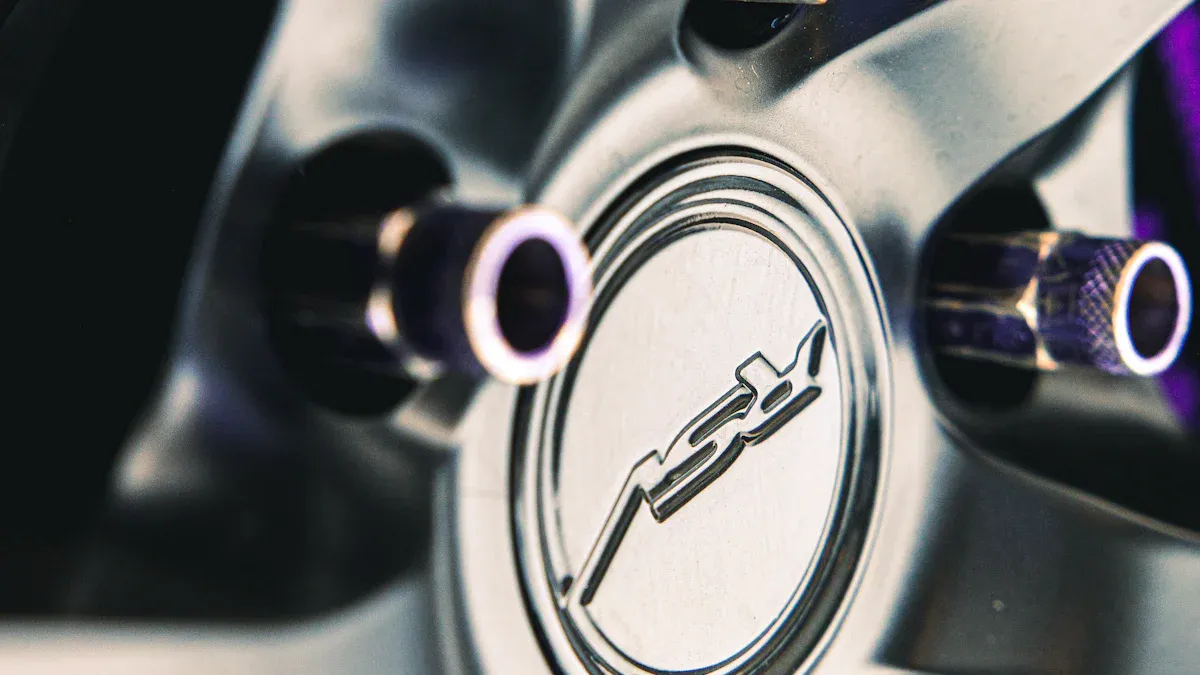
Your factory-installed lug nuts may be holding your car back. These standard car tire nuts often add unnecessary weight to your wheels. This can limit your vehicle’s handling performance. The material strength of a stock lug also might not be enough for high-stress driving. Your expensive aftermarket wheels deserve better than a basic lug. Upgrading your tire hardware is a small change. It delivers big improvements in tire strength, weight reduction, and overall style.
Upgrading your car tire nuts offers tangible benefits beyond just looks. You can unlock real performance gains by choosing the right aftermarket lug. These small parts play a big role in how your car feels and responds on the road.
Every pound matters, especially on your wheels. Unsprung weight is the total mass of components not supported by the suspension. This includes your tires, brakes, wheels, and each individual lug nut. Reducing this weight directly improves your suspension’s responsiveness. Your shocks have less mass to control. This allows your tire to maintain better contact with the road, which boosts grip and cornering ability. A lighter lug set also reduces rotational inertia.
Pro Tip: High unsprung mass can cause severe wheel hop during hard acceleration or braking. This compromises your traction and steering control. A lighter lug helps prevent this.
A reduction in unsprung mass affects acceleration and braking efficiency.
The strength of your lug nuts is critical for safety. A stock lug might be fine for daily commuting. However, performance driving creates intense forces that demand a stronger lug. Aftermarket options made from forged steel or titanium provide superior material strength. This added strength ensures your wheels stay securely attached during aggressive cornering, rapid acceleration, and hard braking. While titanium is famous for its high strength-to-weight ratio, high-quality forged steel is often stronger overall. For example, some Grade 5 titanium lug nuts have a tensile strength of 150,000 PSI. This provides more than enough strength for demanding applications, giving you peace of mind when you push your vehicle to its limits. Choosing a lug with proven strength is a smart investment in your safety and your car’s tire integrity.
Choosing the right material for your lug nuts depends on your goals. You must balance durability, weight, and cost. Each material offers a unique set of advantages for different types of drivers.
Forged steel is the most common and practical choice for a lug nut. You get exceptional strength and durability at an affordable price. Steel can handle higher torque specifications without stripping. It is also highly resistant to the wear and tear of daily driving. This makes a steel lug a reliable option for most vehicles.
While steel is heavier than other materials, its toughness is unmatched. Manufacturers often add protective coatings to enhance its performance.
Steel is the go-to material if your top priorities are strength and long-term reliability for your daily commute.
Forged aluminum is the perfect choice when you want to reduce unsprung weight and add visual flair. These lightweight nuts come in a wide variety of vibrant colors, giving your wheels a custom style. Manufacturers use a process called anodization to color the aluminum. This process integrates the dye directly into the metal’s surface, making the color resistant to chipping or peeling.
Buyer’s Tip: Be aware that some anodized colors, especially red, can fade over time with prolonged exposure to UV sunlight. Proper care helps maintain their bright appearance.
While an aluminum lug is not as strong as steel, high-quality 7075-T6 aluminum provides more than enough strength for spirited street driving and show car applications. It offers a fantastic balance of weight reduction and personalization.
Forged titanium represents the pinnacle of performance for car tire nuts. This material offers the best of both worlds. You get the lightweight properties of aluminum combined with strength that often exceeds steel. Titanium’s incredible strength-to-weight ratio is why it is a top choice in aerospace and military applications. A titanium lug provides maximum security for your tire under the most extreme racing conditions.
The data clearly shows titanium’s superiority for performance applications.
| Property | 7075-T6 Aluminum | Grade 5 Titanium |
|---|---|---|
| Ultimate Tensile Strength (MPa) | 560 | 1000 to 1190 |
| Shear Strength (MPa) | 330 | 600 to 710 |
| Fatigue Strength (MPa) | 160 | 530 to 630 |
| Density (g/cm³) | 3.0 | 4.4 |
This level of performance comes at a price. A set of forged titanium lug nuts can cost around $199, making it a significant investment. However, for drivers who demand the absolute best in safety, durability, and weight savings, there is no substitute for a titanium lug.
Choosing the best aftermarket lug nuts requires more than just picking a color or material. You must ensure the new hardware fits your vehicle and wheels perfectly. Proper fitment is essential for safety, performance, and preventing damage. This guide will help you navigate the technical details to make a confident choice.
The “seat” is the contact area where the lug nut meets the wheel. This surface is crucial for distributing clamping force correctly. Using the wrong seat type creates a dangerous mismatch. The load gets focused on a tiny area, sometimes as little as 10% of the intended surface. This concentrated stress can cause the lug to wear down, lose torque, and potentially fail, leading to wheel loss. You must match your new lug to your wheel’s seat design.
There are three primary seat types:
Safety Alert: Never mix and match seat types. Using a conical lug on a ball seat wheel, or vice versa, is a leading cause of loose lug nuts. This incorrect installation can lead to severe tire damage or injury. Always verify your wheel’s seat type before buying a new lug set.
Every vehicle has a specific thread pitch and size for its wheel studs. This measurement determines which car tire nuts will fit. The specification is written as two numbers, like M12 x 1.5.
Using a lug with the wrong thread pitch will cause serious damage. If you try to force it on, you will strip the threads on both the lug and the wheel stud, requiring a costly repair.
Common thread sizes vary by manufacturer. For example, many Japanese cars use M12 x 1.5, while many European cars use M14 x 1.5. The chart below shows how one manufacturer, Volkswagen, uses different thread pitches across its models.

Here is a table of common thread sizes you might encounter:
| Metric Sizes | Imperial Sizes |
|---|---|
| M12 x 1.25 | 7/16″ – 20 |
| M12 x 1.5 | 1/2″ – 20 |
| M14 x 1.25 | 9/16″ – 18 |
| M14 x 1.5 |
Finding the correct specifications for your vehicle is a straightforward process. You have several reliable options to get the information you need. A few minutes of research ensures you buy the right lug the first time.
Here are the best ways to find your car’s lug nut specs:
Once you know your seat type and thread pitch, you are ready to choose the perfect aftermarket lug for your wheels.

After you determine the correct fitment, you can focus on style and security. The design of a lug nut affects both its appearance and its ability to protect your investment. You have important choices to make between open and closed designs and whether to add locking nuts.
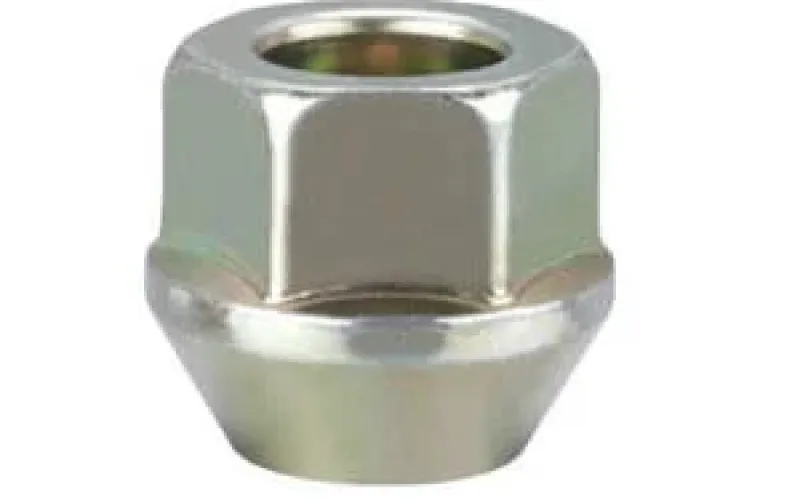
You will choose between two main lug designs: open-ended and closed-ended. A closed-ended lug has a capped end that protects the wheel stud from dirt, water, and rust. This makes it a great choice for most daily drivers. An open-ended lug is open on both sides, allowing the wheel stud to pass completely through it.
Both types of lug nuts come in a huge variety of designs to match your personal style. Current trends show a high demand for aesthetic customization.
These options help you find the best lug nuts to complement modern wheel finishes, such as satin black or two-tone designs.
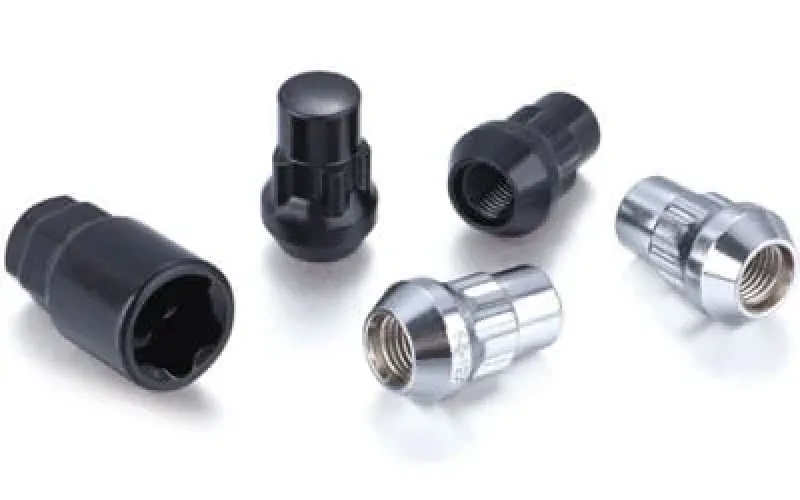
Protecting your wheels is more important than ever. Law enforcement reports show a significant increase in wheel theft, with a rise of over 30% in major cities like Houston and Atlanta. A set of locking lug nuts is a simple and effective deterrent. One lug on each tire is replaced with a special locking lug that requires a unique key for removal.
Not all locking lug designs offer the same security. A spline drive lug is considered less secure because the tools are more common. A lug with a unique, computer-generated key pattern provides much better protection. Some high-security designs even feature a rotating outer collar that spins freely if a thief tries to grip it with standard tools. Adding a quality locking lug set gives you peace of mind and helps keep your valuable wheels safe.
Choosing the right brand is the final step in your upgrade. Your driving needs will guide you to the perfect set. Some brands focus on extreme durability, while others prioritize custom style. Finding the best lug nuts means matching a brand’s strengths to your goals.
You need reliability for daily driving. Gorilla and McGard are top choices for strength and durability. The Gorilla brand has a strong reputation for making a dependable lug. Many drivers trust a Gorilla lug for its performance. A Gorilla lug is built for longevity. The Gorilla Automotive brand offers excellent durability. You can count on a Gorilla lug. Gorilla is a name you can trust. The Gorilla brand is a solid choice. Gorilla makes a great lug.
McGard also offers exceptional quality. The McGard brand is known for its clever engineering.
For truck owners, McGard provides heavy-duty options. You can get a McGard set like Part Number 52003 for a tandem axle tractor. This McGard kit gives you ultimate security and durability.
You want your wheels to stand out. Muteki is a fantastic choice for adding custom style. This brand offers a wide range of colors to personalize your vehicle. You can find a Muteki lug in vibrant shades.
A Muteki lug lets you create a unique look. The brand gives you the best options for visual flair and style.
You demand the absolute best performance. Vossen creates some of the best lug nuts for racing and high-stress applications. This brand focuses on premium materials like forged titanium. A Vossen lug provides the ultimate combination of low weight and high strength. This makes them a top-tier choice for drivers who need every possible advantage on the track.
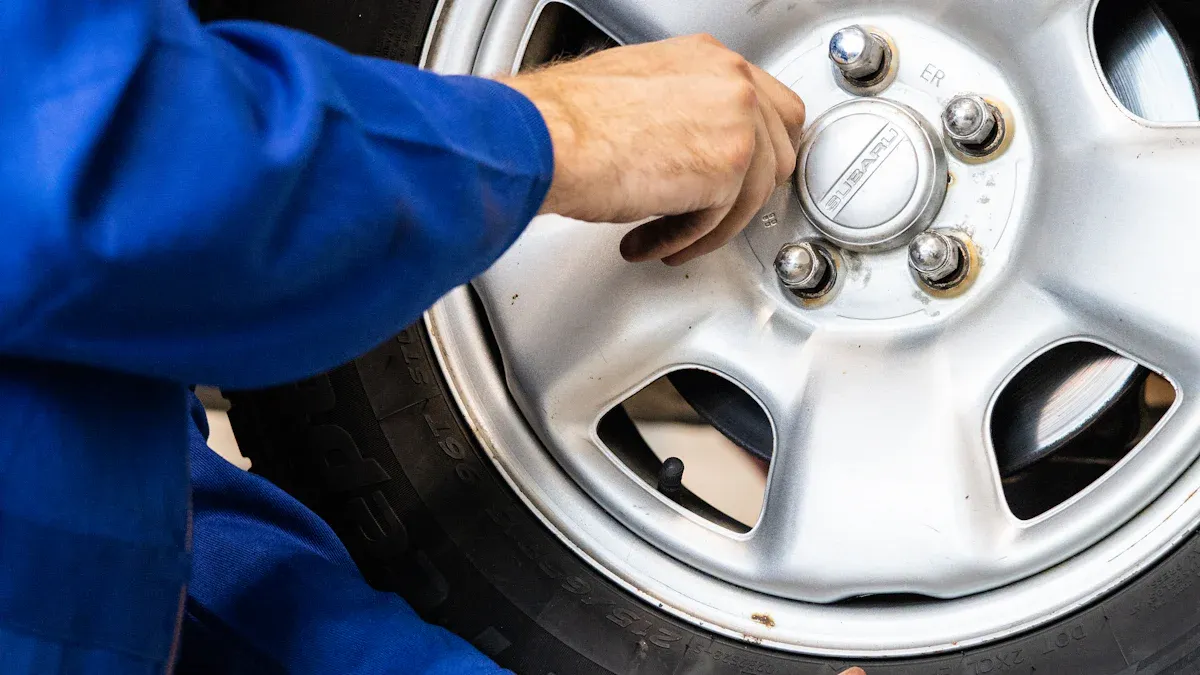
You can extend the life of your new hardware with correct installation and care. Proper procedures protect your investment and ensure your wheels remain secure. Following these steps enhances both safety and the durability of your components.
You must install your new lug nuts correctly. Never use an impact wrench to fully tighten a lug. An impact wrench can easily apply too much force. This can stretch the threads on your wheel stud or strip the threads inside the lug. Over-tightening also puts stress on your wheel, which can lead to damage. The best tool for the job is a torque wrench. It allows you to apply the exact amount of pressure your car manufacturer recommends.
Installation Pro-Tip: Always tighten each lug in a star pattern. This method applies even pressure across the wheel hub. It ensures the wheel seats correctly and prevents warping your brake rotors. A properly torqued lug is essential for safety.
Using a torque wrench guarantees each lug receives the same clamping force. This precision is critical for performance and the long-term durability of every lug.
Your work is not finished after the initial installation. You need to re-check the torque on each lug nut. Wheels can settle after being driven, causing a slight loss in torque. It is a standard safety practice to re-torque your wheels after a short distance. Many tire shops, including Costco, ask you to return for a free torque check after 50 miles. This practice is also common in Germany, where drivers check torque after 50 kilometers.
For maximum safety, follow this re-torquing schedule:
Regular cleaning also helps. Keep the lug and stud threads free of dirt and rust. This ensures you get an accurate torque reading every time you check your single tire.
You can easily boost your car’s performance, safety, and style. Upgrading your car tire nuts is a smart, cost-effective change. Your success depends on choosing the right lug for your specific wheels. You must match the lug material and seat type correctly.
A quality lug is a small part that makes a big impact. Don’t let a stock lug be the weak link for your tire. Unlock your vehicle’s full potential by investing in a set of aftermarket lug nuts. Every single lug contributes to a better driving experience. A strong lug is a safe lug.
You should never use an impact wrench for final tightening. Use it only to snug the lug nuts. Always use a calibrated torque wrench for the final step. This prevents damage to the lug and ensures safety.
The Gorilla brand is excellent for daily use. A Gorilla lug is known for its strength and durability. Many drivers trust a Gorilla lug for its reliability. The Gorilla brand makes a tough lug. You can depend on a Gorilla lug. Gorilla is a top choice.
You should re-check your lug torque after the first 10, 25, and 50 miles of driving. After that, you can check each lug as part of your regular vehicle maintenance schedule. This ensures every lug remains secure.
An open-ended lug allows extended wheel studs to pass through. This design is essential for many track cars. It lets you easily inspect thread engagement, which is a common safety requirement for racing events.
 Request a quote