 10Mar
10Mar 
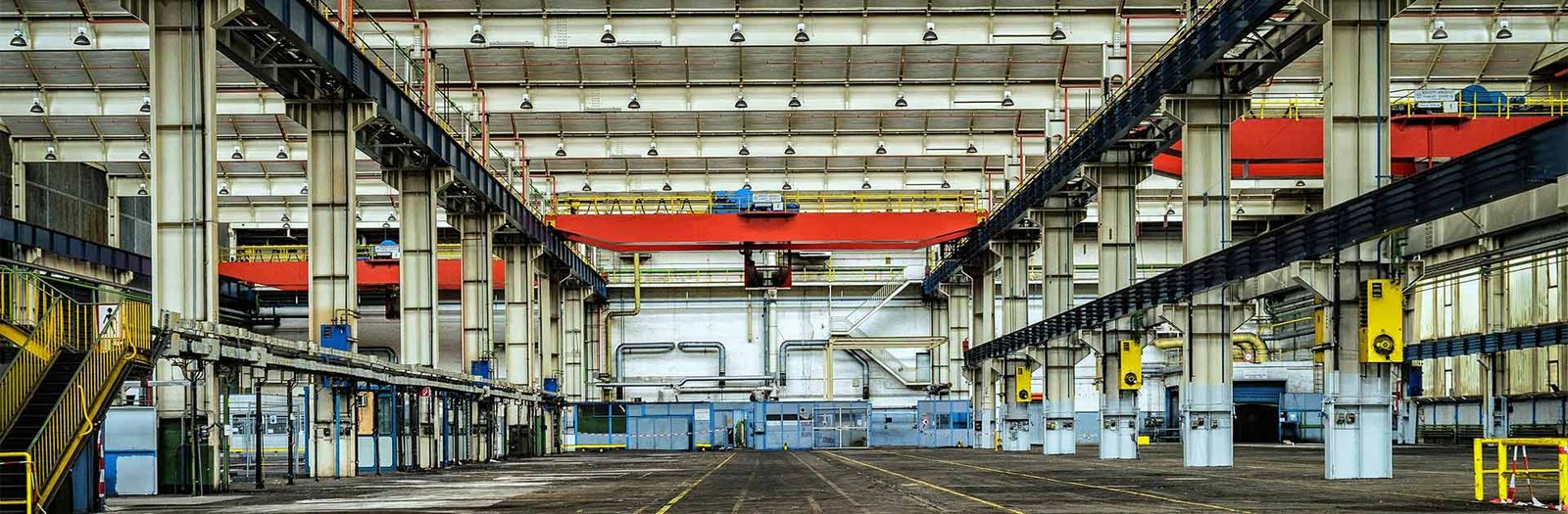
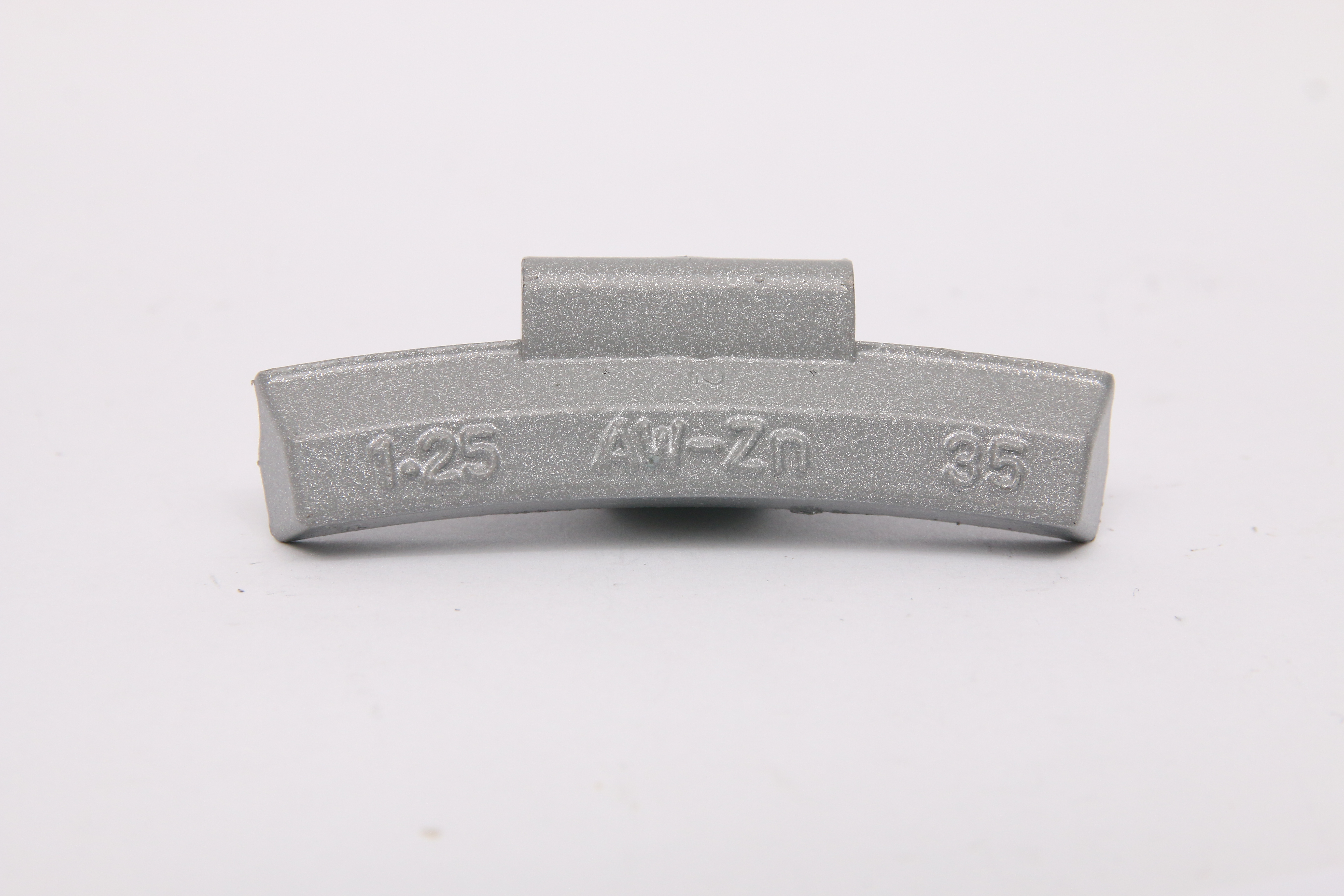
Many wheel weights today are made with zinc. Some manufacturers also use lead and steel. Zinc is a popular choice because it does not have lead. Most zinc wheel weights are alloys, not pure zinc. This makes them stronger and last longer. Picking the right material is important for safety. It also helps the vehicle work well and follow environmental rules. People switched from lead to zinc because of health and environmental worries, as shown in the table below:
| Reason for Shift | Description |
|---|---|
| Health Risks of Lead | Lead is poisonous and can cause bad health problems. |
| Environmental Concerns | Lead pollution hurts water and animals. |
| Regulatory Actions | Many countries ban lead wheel weights, so safer choices like zinc are used. |
Fortune is a top company. They make high-quality wheel weights for these new needs.
Key Takeaways
- Zinc is used for wheel weights because it is not toxic and is safe for the environment.
- Using zinc instead of lead helps keep people healthy and lowers pollution, since many places do not allow lead anymore.
- Zinc wheel weights are usually made from alloys, which makes them stronger and last longer than pure zinc.
- When you use zinc wheel weights, your car can work better, cost less to fix, and use less fuel.
- Rules in the industry make sure zinc wheel weights are safe, work well, and are good for the environment.
Are wheel weights made of zinc?
Common wheel weight materials
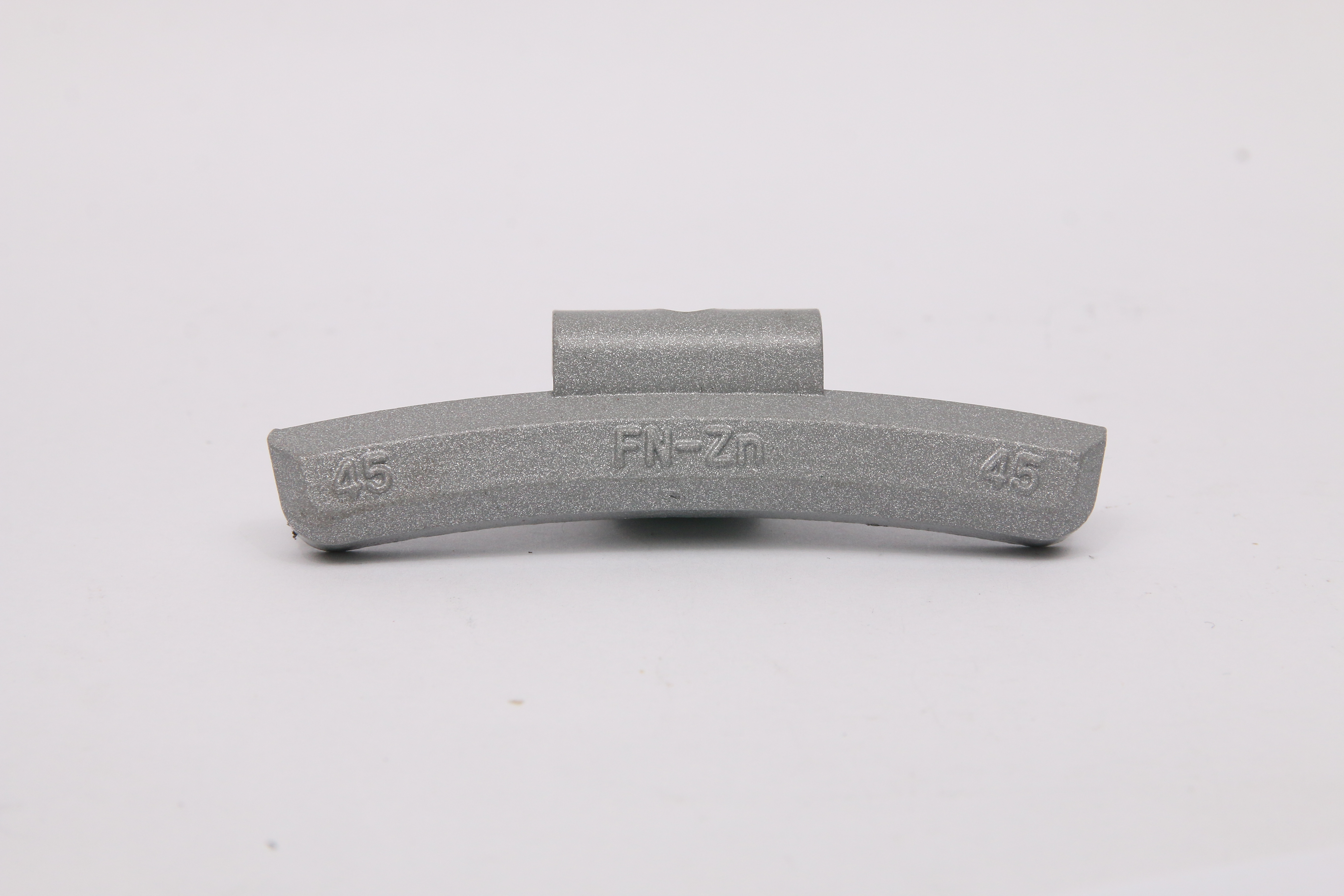
Wheel weights help keep tires balanced. This makes driving safer. Companies use different materials to make wheel weights. The most common ones are lead, zinc, and steel. Each material has its own features. These features change how the weights work. They also affect the environment.
Here is a table that shows the main materials used for wheel weights and their characteristics:
| Material | Characteristics | Market Share (N/A) |
|---|---|---|
| Lead | Dense, malleable, cost-effective; declining use due to environmental concerns | N/A |
| Zinc | Non-toxic, corrosion-resistant, recyclable; gaining popularity as a lead substitute | N/A |
| Steel | Strong, durable, eco-friendly; expanding use across various vehicle types | N/A |
| Others | Includes composite alloys and polymers; specific details not provided | N/A |
Lead was used the most in the past. Now, many countries limit or ban lead. Lead can hurt people and nature. Zinc and steel are safer choices. They are becoming more popular. Fortune sells both lead and non-lead wheel weights. They offer zinc options to meet new rules and needs.
Why zinc is used
Zinc is now a common material for wheel weights. Many people pick zinc because it is safer for nature. Zinc does not have lead. It does not rust easily. This helps it last longer on wheels. Zinc keeps the weight balanced. It also helps the ride stay smooth.
Many laws and rules make companies use zinc instead of lead. For example, the EU RoHS Directive and EU ELV Directive limit or ban lead in cars and electronics. California was the first U.S. state to ban lead wheel weights. These rules protect people and nature from lead pollution.
Here is a table that shows some important regulations:
| Regulation | Description |
|---|---|
| EU RoHS Directive | Restricted lead in electronic devices, influencing the shift to zinc. |
| EU ELV Directive | Banned lead in vehicles, prompting the use of safer alternatives like zinc. |
| California Lead Ban | First U.S. state to prohibit lead wheel weights, accelerating the transition to zinc. |
Zinc wheel weights have many good points. They are lighter than lead. They spread weight more evenly. Zinc does not hurt the environment as much. Zinc resists corrosion. This means it stays strong and safe for a long time. Steel is another choice. But steel can rust. It is not as easy to shape.
Here is a table that compares the advantages and disadvantages of zinc, lead, and steel:
| Material | Advantages | Disadvantages |
|---|---|---|
| Zinc | Lighter weight, better weight distribution, environmentally friendly, corrosion-resistant | Higher cost compared to lead |
| Lead | Heavier, often cheaper, effective for balance | Harmful to environment and health |
| Steel | Heavier, effective for balance | Prone to rust, less eco-friendly |
Many experts and car makers now choose zinc for wheel weights. Zinc is safer for people and the planet. Fortune makes high-quality zinc wheel weights. These help drivers stay safe and follow the law.
Zinc wheel weights composition
Zinc alloy content
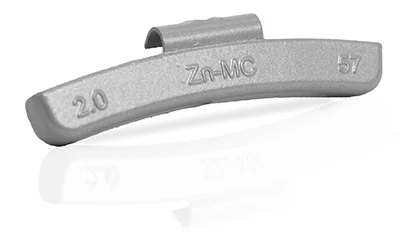
Most zinc wheel weights are not just zinc. Makers mix zinc with other metals. This makes the weights stronger and last longer. Usually, these alloys have 80% to 90% zinc. Some wheel weights for normal cars can have up to 95% zinc. Racing cars use even purer alloys for better balance.
- Most zinc wheel weights have 80% to 90% zinc.
- Regular car wheel weights can have about 95% zinc.
- Racing cars use very pure zinc alloys.
Zinc alloys have many good points. They do not rust easily. This helps them work well in wet or salty places. These alloys are strong and heavy enough to keep cars safe and smooth.
Other metals in zinc wheel weights
Makers add other metals to zinc alloys for special reasons. These metals help wheel weights last longer and work better. The most common added metals are aluminum and magnesium.
| Metal | Function |
|---|---|
| Aluminum | Helps stop rust |
| Magnesium | Makes the metal stronger |
Sometimes, a little copper or brass is added too. These metals make the weights tougher and help them last longer. They also help the weights stay strong in hard weather. Zinc alloys with these metals do not rust much. This is good for places with lots of rain or road salt.
Zinc alloy wheel weights are heavy and fix tire balance problems. They are easy to put on and fit many cars. The extra metals help stop shaking and make tires and suspension last longer.
Note: Using zinc alloys helps wheel weights stay safe and strong for drivers in many places.
Zinc purity and standards
Purity levels in wheel weights
Makers do not use pure zinc for wheel weights. They use zinc alloys with 80% to 90% zinc. These alloys are stronger and last longer. Pure zinc is not as dense as lead. This means it does not balance tires as well. Zinc alloys work better because they have other metals. Aluminum and magnesium are often added. These metals help stop rust and keep the weights strong.
- Most zinc wheel weights have 80% to 90% zinc.
- Pure zinc is not strong or dense enough for balance.
- Alloys with other metals last longer and are easier to make.
Zinc costs more than steel. This can make it less common in some uses. Makers pick alloys to get good performance and a fair price. Bad alloys can cause problems. These problems are wheel imbalance, shaking while driving, tires wearing out fast, and even wheel damage.
| Purity Level | Typical Use | Benefits |
|---|---|---|
| 80-90% Zinc | Standard vehicles | Good balance, strong |
| 95% Zinc | Racing vehicles | High purity, better balance |
| Pure Zinc | Rarely used | Lower density, less durable |
Note: Zinc alloys make wheel weights last longer and work better than pure zinc.
Industry standards for wheel weights
Industry standards help guide how zinc wheel weights are made. Groups like SAE and ISO set rules for safety and quality. These rules say makers must use safe materials. They also say to avoid harmful stuff. Laws have made companies stop using lead and use zinc instead. This helps protect people and the planet.
- Standards tell makers what materials to use and how to check quality.
- Environmental laws ban lead and support safer choices.
- New science helps make wheel weights safer and better.
Makers must follow these rules to make good products. They test wheel weights for strength, rust resistance, and balance. Meeting these rules keeps drivers safe and cars working well.
Wheel weights are usually made from zinc alloys. This means they are not just pure zinc. Mixing metals makes them stronger and last longer. Industry rules make sure wheel weights are safe and keep cars balanced. Picking good wheel weights from brands like Fortune is smart. There are many reasons why this is a good idea:
| Benefit | Description |
|---|---|
| Fuel Efficiency | You use less gas and make less pollution. |
| Maintenance Frequency | You fix your car less and parts last longer. |
| Installation Speed | They are quick and simple to put on. |
| Environmental Advantages | The materials are safe and can be recycled. |
| Operational Efficiency | They work well and help you get more done. |
| Cost-Effectiveness | You save money because tires last longer. |
FAQ
Are zinc wheel weights safe for the environment?
Zinc wheel weights do not contain lead. They help reduce pollution and protect water and wildlife. Many countries support zinc because it is safer for people and nature.
Can zinc wheel weights fit all types of wheels?
Most zinc wheel weights fit many wheel types. Fortune offers both clip-on and adhesive options. These designs work well for steel and alloy wheels.
How long do zinc wheel weights last?
Zinc wheel weights resist corrosion. They stay strong in rain and road salt. Drivers can expect them to last for many years with normal use.
What standards do zinc wheel weights follow?
| Standard | Purpose |
|---|---|
| SAE | Ensures safety |
| ISO | Guarantees quality |
Manufacturers test zinc wheel weights to meet these standards. This keeps vehicles balanced and safe.
 Request a quote