 27Mar
27Mar 
In most regions, the use of wheel weights is legal; however, you must remain mindful of the materials used and your specific location, as some areas have strict regulations regarding this matter. For instance, nine U.S. states have explicitly banned the use of lead-based wheel weights. Similarly, Canada prohibits the manufacture or importation of wheel weights containing more than 0.1% lead by weight. You can place your trust in Fortune Wheel Weights; we offer a selection of products that fully comply with these laws and regulations. Read on to learn how to ensure safety and compliance.
Key Takeaways
- Before using wheel weights, be sure to consult your local laws and regulations. To protect public health and the environment, some states have banned the use of lead-based weights.
- Using non-compliant wheel weights can result in substantial fines. In some states, penalties can reach as high as $2,500 per day.
- Opt for safer alternatives, such as zinc or steel wheel weights. These materials are not only more environmentally friendly but also fully compliant with all regulatory requirements.
- Fortune Wheel Weights offers a wide range of compliant products to choose from. Our products meet rigorous quality standards, helping you maintain full legal compliance at all times.
- Lead-based wheel weights pose risks to both human health and the natural environment. Choose legal, non-toxic wheel weights to help protect your community and its surroundings.
Wheel Weights Legality
Federal Regulations
U.S. federal agencies have established regulations regarding wheel weights. Both the U.S. Environmental Protection Agency (EPA) and the Environmental Council of the States (ECOS) have been involved in this matter. The EPA conducted a study on lead-based wheel weights and ultimately decided against enacting new regulations, stating that the risks posed to children were not significant. ECOS, however, advocates for the complete phase-out of lead-based wheel weights across all jurisdictions.
Note: Federal law does not prohibit the use of lead-based wheel weights; however, many states have enacted stricter regulations. Therefore, before selecting wheel weights for your vehicle, please be sure to consult your local laws and regulations.
Other countries and regions have different regulations regarding this matter. The European Union completely banned the use of lead-based wheel weights in 2005. Canada has also ceased using such products, with major retailers across the country discontinuing the sale of lead-based weights. Furthermore, Japan and South Korea actively encourage the use of lead-free wheel weights.
State Laws
Individual states have established their own specific regulations regarding wheel weights. Some states prohibit the use of lead-based weights due to the potential hazards they pose to human health and the natural environment. California, in particular, has enacted strict regulations in this regard. The *California Health and Safety Code* explicitly prohibits the use of wheel weights containing more than 0.1% lead on vehicles manufactured on or after January 1, 2010. If you operate an older model vehicle in California, you are also required to use lead-free weights when replacing tires or performing wheel balancing. Violators of these regulations face fines of up to $2,500 per day.
Other states, such as New York and Michigan, have also implemented bans on lead-based wheel weights. Specifically, New York State prohibits the use of lead weights on state government fleet vehicles, whereas Michigan has enacted a comprehensive ban on the use of lead weights for all vehicles. Additionally, several other states have established restrictions that apply exclusively to government fleet vehicles.
Note: Before purchasing or using wheel weights, please be sure to consult your state’s regulations. Regulations in some states change frequently.
Industry standards are equally critical. Many states have explicitly banned the use of lead wheel weights, as such products pose a hazard to the environment. In contrast, steel wheel weights are safer and can be manufactured using recycled materials. Non-compliance—specifically, the unauthorized use of prohibited weights—may result in fines.
| Regulation Type | Description |
|---|---|
| Lead Wheel Weights Ban | Many states prohibit the sale, manufacture, or use of lead wheel weights because they pose hazards to humans and the natural environment. |
| Penalties for Violations | Violators may face fines of up to $2,500 per day. |
| Preferred Alternatives | Steel wheel weights are favored because they are safer and can be made from recycled materials. |
You must comply with both federal and state regulations. This helps ensure your safety and avoid fines. Please be sure to select balance weights that comply with local regulations.
Lead Wheel Weights Restrictions
States With Bans
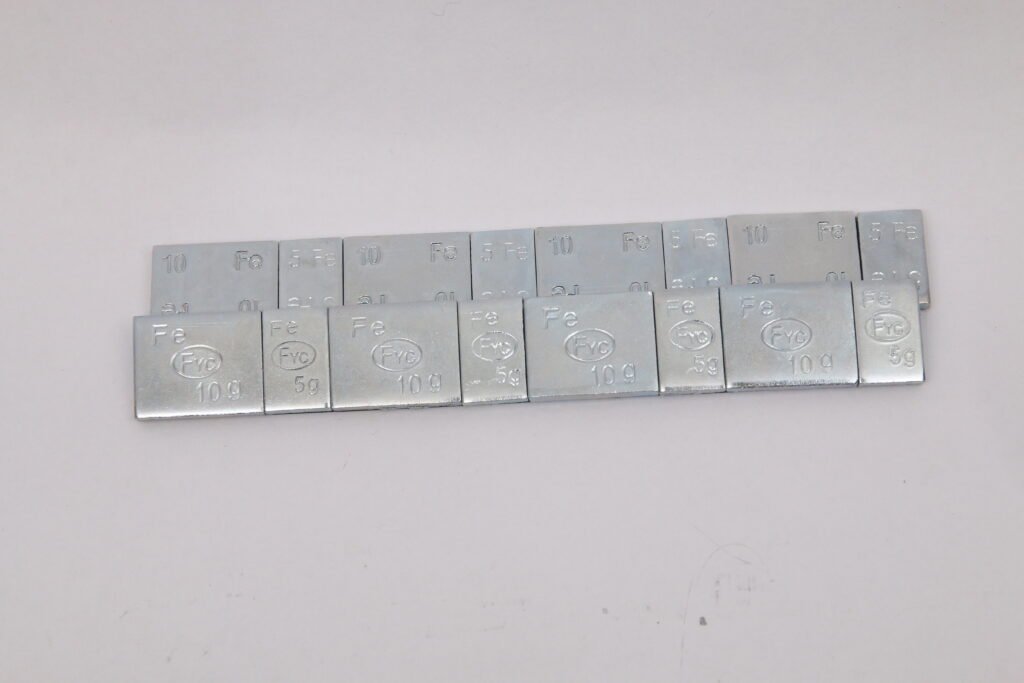
It is essential to be aware of the regions where the use of lead wheel weights is prohibited. In the United States, nine states have enacted legislation banning the use of lead wheel weights. These states include: California, Illinois, Maine, Maryland, Michigan, Minnesota, New Jersey, New York, and Vermont. Canada also prohibits the use of lead wheel weights; specifically, you are not permitted to manufacture, import, or sell wheel weights containing more than 0.1% lead by weight.
If you use lead wheel weights in any of the aforementioned regions, you will face penalties. Certain states impose fines for violations that can reach up to $2,500 per day. Therefore, it is imperative that you consult relevant local laws and regulations before purchasing or installing wheel weights.
Tip: Complying with these regulations not only helps you avoid the risk of fines but also contributes to environmental protection.
Environmental Concerns
Lead-based wheel weights pose a hazard to the natural environment. As vehicles travel, these weights may detach from the wheels; rainwater subsequently washes them into the soil and waterways. Lead is toxic and can poison plants, animals, and even humans. Even minute amounts of lead are sufficient to cause harm to children and wildlife.
Many states have explicitly banned the use of lead-based wheel weights in an effort to safeguard the purity of water bodies and soil. By choosing safer materials—such as steel or zinc—you are contributing to the effort to curb environmental pollution. These materials do not exert toxic effects on the environment.
Selecting balance weights that comply with local regulations and protect the environment is a wise choice.
Compliant Wheel Weights Options
Non-Lead Materials
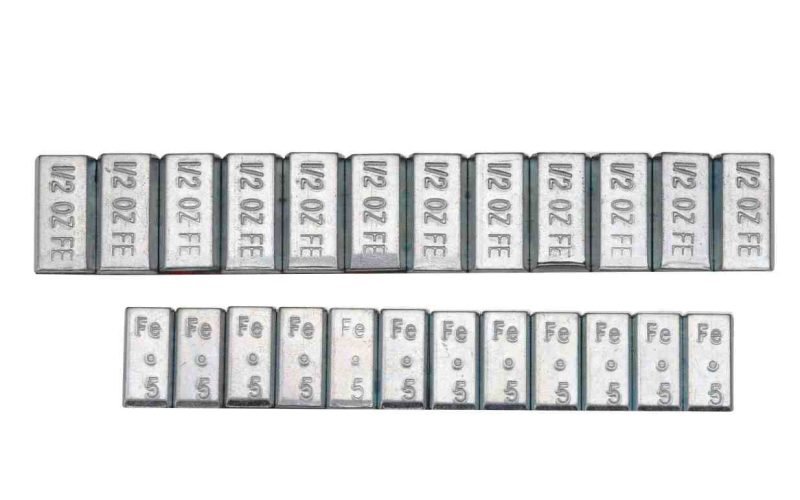
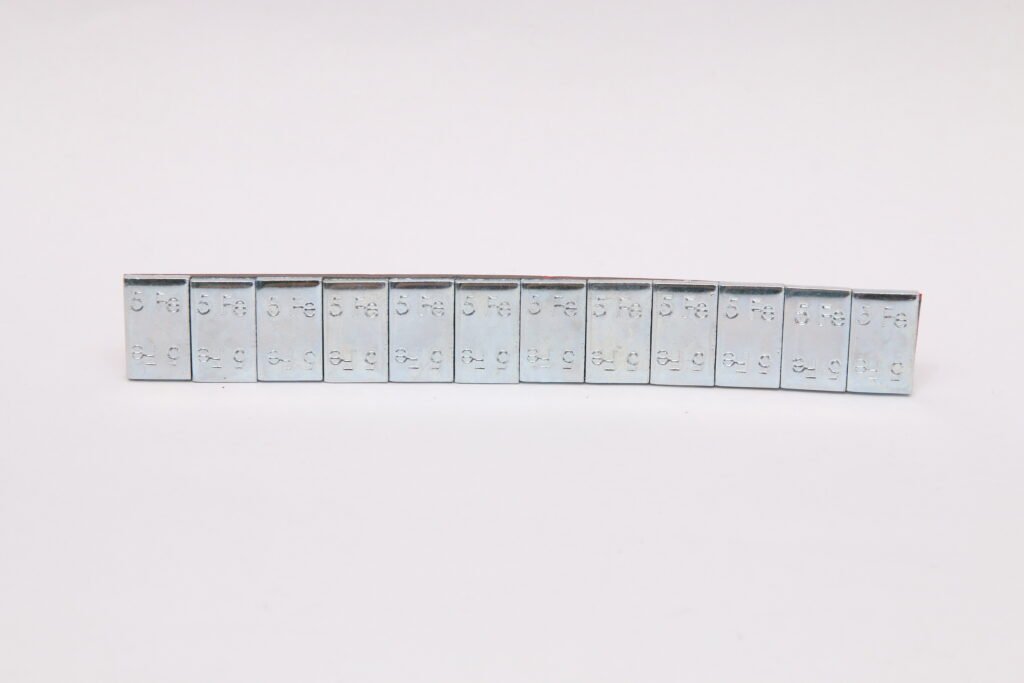
If you wish to protect the environment while adhering to regulatory standards, you have a variety of options available. Today, most suppliers offer wheel weights made from lead-free materials. Among the most common choices are weights made of zinc and steel. Some brands utilize composite materials—such as a combination of plastic and steel—exemplified by product lines like Plasteel®. This design features a robust steel core encased in a soft plastic shell; this construction ensures the weight possesses sufficient structural integrity while effectively preventing scratches to the wheel’s surface.
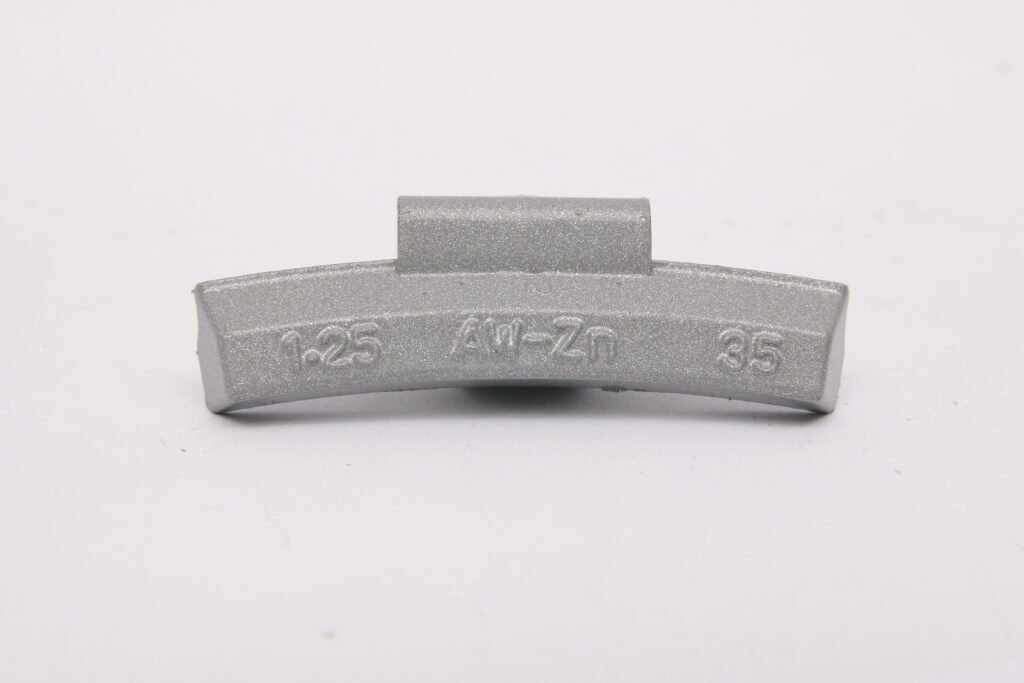
Zinc wheel weights stand out due to their reliable performance. They facilitate uniform mass distribution and consistent density. This ensures your tires maintain excellent dynamic balance, resulting in a smoother ride and helping to extend tire longevity. Furthermore, zinc offers superior rust resistance compared to steel, making it an ideal choice for use in humid or high-salinity environments. As zinc is non-toxic, it fully complies with stringent environmental protection regulations. Steel wheel weights are also widely popular, as they are not only durable but also easily recyclable. However, it is worth noting that steel may be susceptible to rust over time, which could subsequently compromise its balancing performance.
Tip: If you are seeking the optimal balance between safety, durability, and regulatory compliance, it is recommended that you choose wheel weights made of zinc or steel.
Consumer choice also plays a pivotal role. Today, an increasing number of consumers are gravitating toward products that are both environmentally friendly and deliver exceptional performance. It is precisely this market demand that drives manufacturers to continuously research, develop, and produce higher-quality lead-free wheel weights. As public awareness regarding road safety and environmental conservation continues to grow, the range of eco-friendly product options available on the market is becoming increasingly diverse.
Fortune Wheel Weights Choices
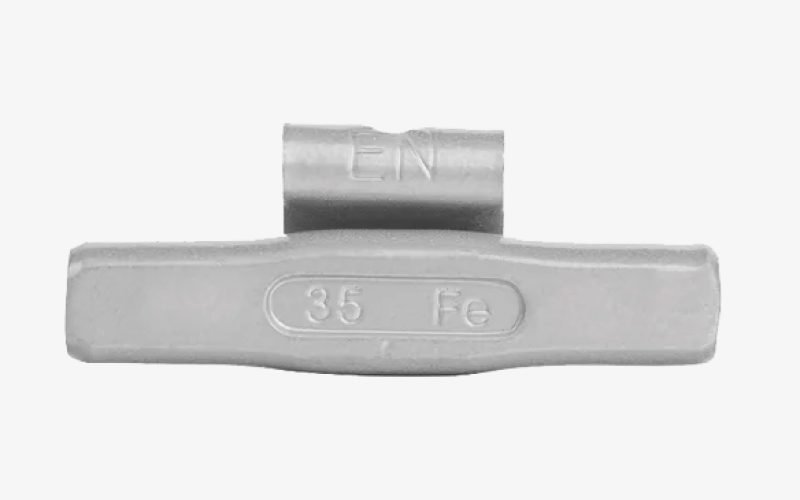
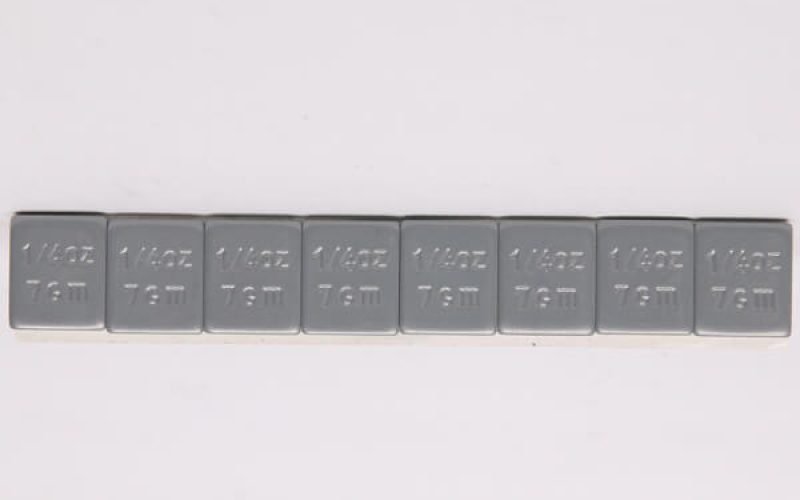
Fortune offers a wide variety of wheel balance weights that fully comply with regulatory requirements. You can choose from a diverse range of options, including zinc, steel, and even lead-free adhesive-backed weights. Fortune provides both clip-on and adhesive-style weights, ensuring you find the perfect match for your vehicle. All products adhere to rigorous quality standards and are ISO 9001 certified, guaranteeing exceptional quality and reliable performance every time.
Fortune’s wheel balance weights not only help you comply with local regulations but also play a vital role in safeguarding your driving safety. You can place your trust in Fortune to provide the ideal solution—one that effectively meets your practical needs while simultaneously prioritizing environmental protection.
Illegal Wheel Weights Consequences
Fines And Penalties
Using illegal wheel weights carries serious consequences. In many states, violating relevant regulations will result in fines. In California, for instance, using prohibited wheel weights could expose you to fines of up to $2,500 per day. Other states have established similar penalties. These fines can accumulate rapidly, placing a heavy financial burden on you. Furthermore, continued use of illegal products could even put you at risk of having your business license revoked. Law enforcement agencies regularly inspect various repair shops and garages to ensure that all operators strictly adhere to applicable laws and regulations.
Tip: Before purchasing or installing wheel weights, be sure to consult your local regulations. Doing so will help you avoid the high costs associated with inadvertent non-compliance.
Safety And Environmental Risks
Illegal wheel weights can pose health and safety risks. Lead-containing weights release lead particles into the air and soil. You may unknowingly inhale or come into contact with these particles. Both children and adults can fall ill from lead exposure. Even minute amounts of lead can cause damage to your brain and body.
| Year | Elevated BLLs (≥10 µg/dL) per 100,000 working adults |
|---|---|
| 2011 | 20 |
| 2018 | 15 |
| 2020-2021 | 239 cases in California across 28 industries |
Lead pollution harms the environment in a variety of ways:
- Lead-containing wheel weights gradually break down, releasing lead into the soil.
- Contaminated dust can be inhaled or ingested by humans.
- Approximately 1.6 million pounds of lead from wheel weights enter the natural environment each year.
- Lead pollution damages soil, drinking water, and groundwater resources.
- Even low levels of lead exposure can trigger serious health problems, particularly in children.
Choosing compliant wheel weights protects both your health and the global environment. Making the safe choice helps maintain the cleanliness and well-being of your community.
When selecting wheel weights, you must consider the specific regulations in your area, as well as the product’s material composition. Some states explicitly ban the use of lead-based wheel weights, encouraging the use of safer alternatives such as steel or zinc. Fortune Wheel Weights offers products that strictly adhere to these regulatory requirements. Before making any purchase, please be sure to consult your local laws and regulations. Using approved wheel weights not only ensures your safety but also helps you avoid potential fines and penalties.
| Regulation | Description |
|---|---|
| Maine’s Ban on Lead & Mercury | In Maine, you may not sell or use wheel weights containing lead or mercury. |
| New Vehicle Regulations | In Maine, new vehicles are prohibited from using wheel weights containing lead or mercury. |
| Alternatives | In Maine, steel, composite, and zinc wheel weights are permitted. |
- Many states have enacted regulations prohibiting the use of lead wheel weights.
- Fines can reach up to $2,500 per day.
- Steel wheel weights are more environmentally friendly.
FAQ
Can you use lead wheel weights anywhere in the United States?
In nine U.S. states, the use of lead wheel weights is prohibited. Before purchasing wheel weights, be sure to consult your local laws and regulations. For reasons of safety and regulatory compliance, many states now recommend—or require—the use of zinc or steel wheel weights instead.
Why do some states ban lead wheel weights?
State-level bans on lead wheel weights are designed to protect both human health and the natural environment. Lead is a toxic element that can contaminate soil and water sources. By choosing non-lead wheel weights, you contribute to the safety and well-being of your community.
What materials are legal for wheel weights?
In most regions, you may legally use wheel weights made from zinc, steel, or composite materials. These materials not only comply with environmental regulations but also deliver stable and reliable performance.
Tip: For the vast majority of vehicles, zinc and steel wheel weights are safe and reliable choices.
How do Fortune Wheel Weights help you stay compliant?
Fortune offers wheel weights manufactured from both zinc and steel. You can choose between clip-on and adhesive-style weights to suit your specific needs. All Fortune products adhere to the ISO 9001 quality management system standards.
What happens if you use illegal wheel weights?
If you use wheel weights that are explicitly prohibited, you face the risk of fines and other penalties. In some states, violators may face fines of up to $2,500 *per day* for non-compliance. Furthermore, such actions pose a direct threat to both the environment and public health.
 Request a quote