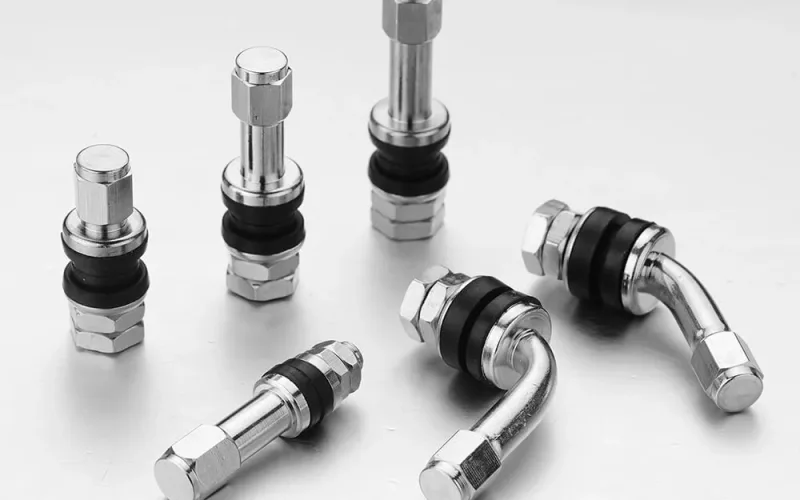
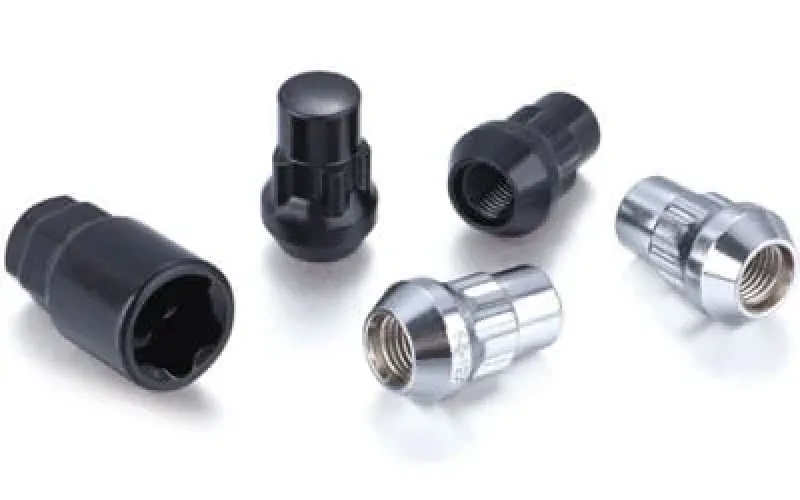
What is the difference between rubber and metal tire valves?
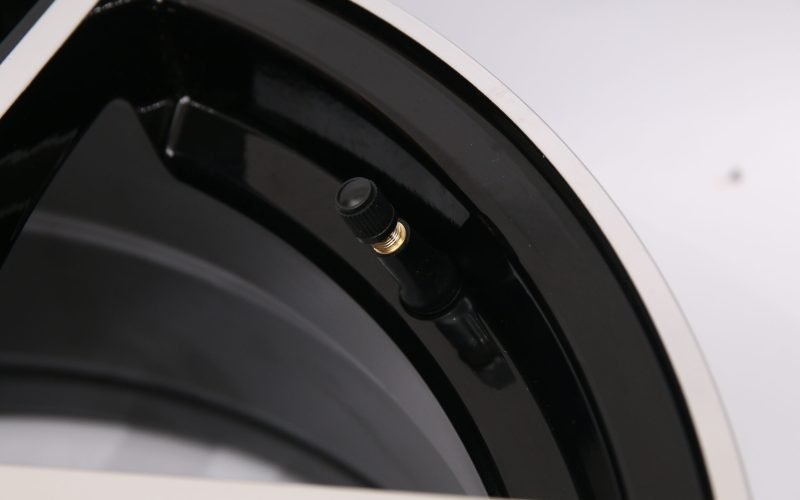 20Mar
20Mar 


You might think all valve cores look the same, but TPMS Valve cores are a whole different breed. Every car, truck, or motorcycle made after 2007 rolls off the line with a TPMS system under the hood. That means you need the right tpms valve stem to keep your tires safe and sensors happy. Forget mixing up metal tpms valves with rubber tpms valves or even truck tpms valves. Using the wrong one invites corrosion and sensor trouble faster than a flat tire in a pothole parade!
TPMS valve cores have nickel plating. This stops rust from forming. It helps tire sensors work well and last longer.
You should change your TPMS valve core with new tires. Change it if you see leaks or rust. This keeps your tires safe.
A shiny nickel finish shows a TPMS valve core. A red Teflon band also helps you spot it fast.
The right TPMS valve core helps save gas. It lowers the chance of tire blowouts. This keeps you safe while driving.
Fortune TPMS Valve Stems fit many cars. They are easy to put in. This makes taking care of tires simple and quick.
Some people think all valve cores are just small metal tubes. But the stuff inside a TPMS Valve core really matters. Most regular valve cores use brass. Brass seems strong, but it does not mix well with aluminum. When you put brass and aluminum together, they start to corrode. This is like a science project that goes wrong inside your tire. The brass core can get stuck, and the aluminum part starts to break down. Then your tire pressure sensor stops working. You will not know if your tires are safe.
TPMS Valve cores use nickel-plated materials. Nickel plating works like a shield. It stops corrosion before it can start. Nickel-plated cores do not get stuck in aluminum stems. They help your sensors work and keep air in your tires.
Here are the differences:
Feature | TPMS Valve Cores | Standard Valve Cores |
|---|---|---|
Material | Special nickel-plated | Standard materials |
Design | Reinforced for sensor compatibility | Standard design |
Purpose | Prevents air leaks and sensor damage | General tire inflation |
Fortune TPMS Valve Stems are even better. They use strong aluminum alloy for the stem. They use natural rubber for bending and flexibility. Aluminum alloy is light and tough. It does not rust and can handle rough roads. Natural rubber bends with your tire. You do not have to worry about cracks or leaks. This mix helps your TPMS Valve last longer and work better.
Tip: TPMS Valve cores that fight corrosion help keep your tire pressure steady. This means you save gas and make less pollution. You help the earth every time you check your tires!
The way a TPMS Valve core is made is important. It helps your tire pressure sensor give you the right numbers. Each core has a red Teflon band. This band seals tight when you screw it in. It keeps air inside and stops dirt from getting in.
Nickel plating does more than stop rust. It helps the core work in hot and cold weather. Your TPMS Valve can handle temperatures from -65 to 240 degrees Fahrenheit. That is colder than snow and hotter than a desert!
Here is what makes TPMS Valve cores special:
Feature | Description |
|---|---|
Secure Seal | Red Teflon band keeps air in and moisture out. |
Corrosion Resistance | Nickel plating stops rust and helps the core last longer. |
TPMS Compatible | Works with all kinds of tire pressure monitoring systems. |
Versatile Fit | Universal Schrader style fits cars, trucks, motorcycles, and more. |
Operational Range | Handles extreme temperatures, so you do not have to worry about the weather. |
Fortune TPMS Valve Stems are made for sensor compatibility. The aluminum alloy and natural rubber help your sensors give correct readings. The universal design fits almost any car or truck. You do not need to look for a special part. Just get a Fortune TPMS Valve, and you are ready to go.
Using the right TPMS Valve core is very important. The wrong core can mess up your sensor, cause leaks, or break your TPMS system. Use the right materials and design. Your tires and sensors will work better and last longer.
You want your tire sensors to work like superheroes, right? The right TPMS Valve core makes that happen. When you use the correct valve, your tire pressure sensors stay sharp and accurate. No more false alarms or mystery leaks! Here’s what happens when you pick the right core:
The OE-Quality Metal Clip Retention keeps the valve core locked in place. No wiggling, no slow leaks, and no surprise TPMS warnings on your dashboard.
This secure fit stands strong against heat and bumpy roads. Your seal stays tight, even when you hit potholes or drive through wild weather.
A top-quality TPMS Valve, like the one from Fortune, means your sensors always know what’s happening inside your tires. You get real-time pressure updates, so you can drive with confidence.
If you use a generic or wrong valve, your sensors might get confused. They could miss a slow leak or send you on a wild goose chase with a fake warning. That’s not fun for anyone!
Let’s talk about safety. Tires with the right pressure keep you safe on the road. Under-inflated tires can blow out when you least expect it. Over-inflated tires lose their grip, making it harder to stop or turn. The right TPMS Valve core helps you avoid both problems.
Proper tire pressure means fewer blowouts and flats. You stay in control, even at high speeds.
Real-time monitoring from your TPMS system keeps you alert. You spot problems before they become disasters.
Regular maintenance with TPMS service kits stops leaks and sensor failures. Your car stays road-ready.
Fortune’s TPMS Valve Stem takes safety up a notch. Its overpressure release feature acts like a safety net. If your tire pressure gets too high, the valve releases just enough air to protect your tire. This clever design helps your tires last longer and keeps your ride smooth.
Pro Tip: Check your TPMS Valve during every tire service. A quick look can save you from a roadside headache!
You stand in your garage, staring at a handful of valve cores. They all look tiny and shiny. How do you spot the hero among them? The TPMS Valve core hides in plain sight, but you can catch it if you know what to look for.
First, check the color. TPMS valve cores often have a nickel-plated finish. They shine a bit more than the dull brass of regular cores. Sometimes, you spot a red Teflon band near the tip. That’s a big clue! The band acts like a superhero’s cape, sealing out air leaks and dirt.
Next, feel the weight. TPMS valve cores feel a little heavier and sturdier. They don’t bend or twist as easily as the cheap ones. If you see a core that looks like it could survive a tumble down the driveway, you probably found the right one.
Tip: If you see a valve core with a bright, silvery finish and a colored band, you’re holding a TPMS champion!
Fortune makes things even easier. Their universal design fits cars, trucks, motorcycles, and even lawn mowers. You don’t need to play guessing games. Just grab a Fortune TPMS Valve, and you’re set for almost any ride.
You open a box of valve cores and see a bunch of codes and numbers. Don’t panic! These markings help you pick the right part every time. TPMS valve cores usually come in boxes with clear part numbers and descriptions. Here’s a quick cheat sheet:
Part No. | Description | TR No. | Box/Qty |
|---|---|---|---|
TRC1 HT | Valve core, high-temp., std. bore | TRC1 | 100 |
TRC1-L | Valve core, high-temp., std. bore, long | TRC1-L | 100 |
36 | Valve core, large bore | TRC2 | 100 |
Look for words like “high-temp” or “TPMS” on the box. These clues tell you the core can handle the heat and pressure inside your tire. Fortune’s packaging makes it simple. You see the part number, the fit, and the quantity right on the label. No more mystery shopping!
Note: Always match the part number on your old valve core with the new one. This trick saves you time and keeps your sensors happy.

You might wonder, “When should I swap out my TPMS valve core?” The answer is easier than finding your favorite snack in the pantry. Replace your TPMS valve core every time you get new tires. If you notice a slow leak, a stubborn sensor warning, or a core that looks rusty or bent, it’s time for a change. Don’t wait for a flat tire to ruin your day!
Here are the top signs you need a new TPMS valve core:
You see cracks, corrosion, or green fuzz on the core.
The tire keeps losing air, even after you pump it up.
The TPMS warning light flashes like a disco ball.
You hear a hiss when you press the valve.
Tip: Always ask your tire shop to check your TPMS valves during every tire service. A quick check now saves you from a roadside rescue later!
Installing a TPMS valve core doesn’t require a magic wand. You just need the right tools and a little know-how. Fortune makes it even easier with their universal repair kits. These kits fit almost any vehicle, so you don’t have to play guessing games.
Follow these steps for a smooth install:
Remove the old valve core with a valve tool.
Inspect the valve stem for dirt or damage.
Insert the new Fortune TPMS valve core. Twist it in until snug—don’t over-tighten!
Check for leaks by spraying soapy water on the valve. Bubbles mean trouble.
Re-inflate the tire and reset your TPMS sensor if needed.
Step | What to Do | Why It Matters |
|---|---|---|
1 | Remove old core | Prevents leaks |
2 | Inspect stem | Stops future problems |
3 | Install new core | Ensures tight seal |
4 | Check for leaks | Confirms safe install |
5 | Re-inflate and reset | Keeps sensors accurate |
Fortune’s TPMS valve stems snap in fast and fit tight. You’ll spend less time in the garage and more time on the road!
You might wonder, “Can I just use a regular valve core in my TPMS system?” The answer is a big, flashing “Nope!” Standard valve cores and TPMS valve cores may look similar, but they play by different rules. If you use a regular brass core in your TPMS valve stem, you risk corrosion, leaks, and sensor failure. Your dashboard might light up like a Christmas tree, and your tire pressure readings could go haywire.
Here’s what you need to know:
TPMS valve cores are removable, just like standard ones. You can swap them out when needed.
You must use TPMS-specific valve cores. These have special nickel plating and seals to keep your sensors safe.
Many vehicles with TPMS require a new valve service kit every time you replace a tire. This keeps everything working smoothly.
Not all TPMS systems are the same. Some cars need a sensor reset after you change the valve core. Others keep rolling without a fuss.
Tip: Always check your owner’s manual or ask your tire shop before swapping valve cores. Your car might have its own set of rules!
“How often should I replace my TPMS valve cores?” That’s a question every smart driver asks. You don’t want to wait until your tire hisses at you or your TPMS light blinks like it’s at a disco.
Most experts recommend replacing your TPMS valve cores every time you get new tires. If you spot corrosion, leaks, or a stubborn warning light, don’t wait—swap them out right away. Some vehicles need a reset after you change the core, especially if you disconnect the battery or use the remote during a sensor reset.
Here’s a quick guide:
When to Replace | Why It Matters |
|---|---|
New tires | Keeps sensors accurate |
Corrosion/leaks | Prevents air loss |
TPMS warning light | Avoids sensor confusion |
Note: TPMS valve cores cost a bit more than standard ones, but they save you money by protecting your sensors and tires. Fortune’s universal kits make replacement easy, no matter what you drive.
TPMS valve cores are serviceable and removable, but always use the right type for your system.
There’s no single industry standard for TPMS, so check your vehicle’s needs before you start.
You keep your ride safe, your sensors happy, and your tires rolling strong!
You want your tires to last, your sensors to work, and your ride to stay safe. Using the right TPMS valve core does all that! Fortune TPMS Valve Stems fight corrosion, handle wild weather, and keep your sensors sharp.
Proper valve care means better fuel efficiency, longer tire life, and fewer blowouts.
Skipping maintenance or using the wrong core can cause leaks, sensor failures, and even fines.
Check your valve cores often. Trust Fortune’s universal kits for easy fixes. Stay safe, save money, and roll with confidence!
Nope! Regular valve cores and TPMS valve cores are not twins. You risk sensor errors and leaks if you mix them up. Always use a TPMS-specific core for happy sensors and safe tires.
Look for a shiny nickel finish and sometimes a colored band. TPMS valve cores feel sturdy and often come in packaging marked “TPMS” or “high-temp.” If you see these clues, you’ve got the right one!
Swap them out every time you get new tires or spot corrosion. Don’t wait for a warning light or a flat. Fresh cores keep your sensors sharp and your tires rolling strong.
Not really! They cost a bit more than regular ones, but they save you money by protecting your sensors and tires. Think of it as cheap insurance for your wheels.
Absolutely! Grab a valve tool, twist out the old core, and pop in a new one. Fortune’s universal kits make it easy. Just check for leaks with soapy water and you’re good to go!
 Request a quote