 08Apr
08Apr 

You might be wondering: are lead tire balance weights still in use today? In fact, most modern wheel weights have transitioned to safer materials, such as steel or zinc. Driven by increasingly stringent regulations—coupled with growing public concern regarding personal health and environmental issues—the use of lead has declined significantly. According to the U.S. Environmental Protection Agency (EPA), the lead content in tire weights poses a low risk to public health; however, the health risks faced by professionals working in the industry are comparatively higher. As a trusted brand, Fortune stands out for its exceptional quality, offering you the choice between both lead-based and lead-free product options. You can place your full confidence in Fortune, as all of its products strictly adhere to current safety and environmental standards.
Key Takeaways
- Most modern wheel weights are made from safer materials like steel and zinc.
- These materials reduce health risks and are more environmentally friendly.
- Steel weights are strong and durable, suitable for many vehicles.
- Zinc weights are rust-resistant and help protect both users and the environment.
- Composite and plastic weights are lightweight and weather-resistant, ideal for newer vehicles.
- Choosing lead-free wheel weights improves safety and ensures compliance with environmental regulations.
Wheel Weights Materials
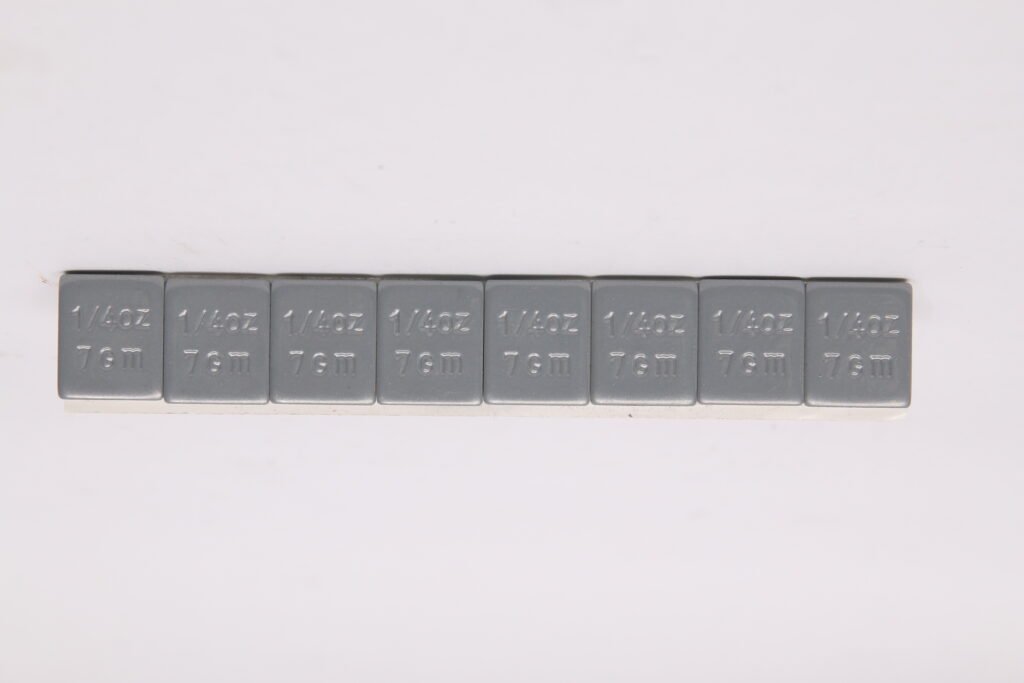
When examining the materials used for wheel balance weights, you will discover a wide range of options. Each material offers unique benefits for your vehicle. Next, let’s explore the primary types commonly found on the market today.
Steel Wheel Weights
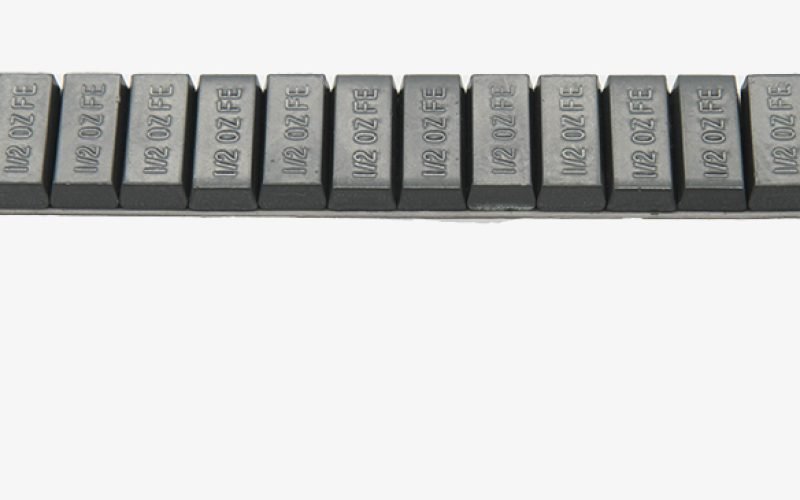
Steel wheel weights have become a popular choice for many drivers. Thanks to its exceptional strength and toughness, steel is a material you can trust. High-Strength Low-Alloy (HSLA) steel, in particular, stands out; its strength far exceeds that of ordinary carbon steel. This means it can effortlessly withstand heavy loads and the challenges posed by harsh road conditions. Steel possesses remarkable resistance to fracturing; even if subjected to bending, it will not break easily. Furthermore, certain types of steel offer excellent rust-resistant properties, ensuring a long service life even in humid or high-salinity environments. You will find that steel wheel weights are not only easy to shape but also remarkably convenient to install on wheels. Many people opt for steel weights precisely because of their durability and their broad compatibility, making them suitable for the vast majority of vehicle models.
Tip: If you are looking for sturdy and durable balance weights for your car or truck, steel wheel weights make an excellent choice.
Zinc Wheel Weights
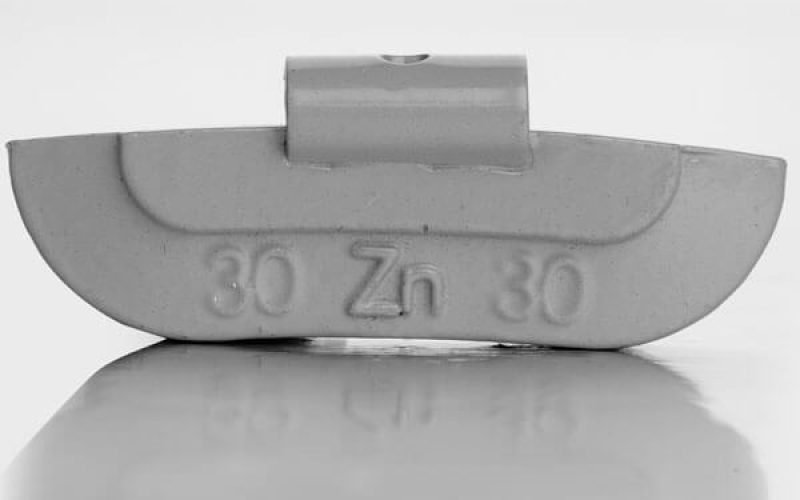
Zinc wheel weights represent another common choice, particularly in regions where the use of lead is prohibited. Zinc stands out due to its exceptional resistance to rust and chemical corrosion. This means that your wheel weights will continue to function effectively, even when exposed to rain, snow, or road salts used for de-icing. Furthermore, zinc is more environmentally safe than lead. By choosing zinc weights, you contribute to reducing pollution and safeguarding your health. Driven by increasingly stringent regulations regarding lead, many countries in North America and Europe have now transitioned to using zinc wheel weights. As more consumers seek out eco-friendly products, market demand for zinc wheel weights continues to rise.
Composite and Plastic Options
In recent years, you may have noticed a new type of wheel balance weight made from composite materials or plastics. These products are lightweight and rust-proof. Major manufacturers are now utilizing advanced materials and innovative manufacturing processes to produce these weights, meeting the specific demands of modern vehicles. Some brands have even introduced carbon fiber composite weights designed specifically for high-performance cars and electric vehicles. If you prioritize weight reduction and seek products with superior resistance to harsh weather conditions, composite or plastic balance weights make for an ideal choice.
- Thanks to their eco-friendly attributes, composite and plastic balance weights are garnering increasing attention.
- These materials help reduce a vehicle’s overall weight, thereby effectively improving fuel efficiency.
Lead Wheel Weights Today
Lead wheel weights were once the standard for tire balancing. Today, however, such products are becoming increasingly rare—particularly in regions with strict environmental regulations. In certain areas (such as China), the use of lead weights remains permissible for routine vehicle maintenance, provided they comply with relevant safety standards. Nevertheless, most new vehicles in North America and Europe have now transitioned to using non-lead wheel weights. Fortune offers both lead and non-lead wheel weights, consistently adhering to the latest regulatory requirements. Regardless of the material you choose, you can place your trust in Fortune to provide safe, reliable, and high-quality products.
Note: Selecting the appropriate wheel weights not only helps ensure a smooth and safe driving experience but also contributes to environmental protection.
Lead in Wheel Weights
Current Use of Lead
In certain places, you may still encounter lead wheel weights. Many older vehicles currently on the road continue to use them. In regions with lax regulatory oversight, some repair shops still install lead weights during tire maintenance. In countries with relatively lenient regulations, lead remains a common choice due to its high density and ease of molding. Furthermore, you may also spot lead weights on imported used cars or trucks.
If you reside in North America or Europe, you will notice that most new vehicles no longer utilize lead wheel weights. Many repair shops have switched to safer materials, such as steel or zinc. However, lead weights have not completely disappeared everywhere; in parts of Asia and Africa, their use remains permissible. Therefore, you should proactively ask your repair technician what type of wheel weights they are using—particularly if you wish to avoid lead-based products.
Tip: To protect both your health and the environment, please choose non-lead wheel weights for your vehicle.
Regulatory Changes
Over the past two decades, regulations regarding the lead content in wheel weights have undergone significant changes. Today, many countries and regions have established strict regulations aimed at limiting or prohibiting the use of lead-containing materials in newly manufactured vehicles. These regulations help protect both human health and the environment from the hazards of lead contamination.
The table below outlines the regulatory measures adopted by various regions concerning lead-containing wheel weights:
| Region | Regulation Details |
|---|---|
| European Union | Under the End-of-Life Vehicles (ELV) Directive, the use of lead wheel balance weights has been prohibited since 2005. |
| United States | There is no ban at the federal level; however, states such as California, New York, Washington, Maine, and Vermont prohibit the sale or use of lead wheel weights. |
| Canada | Voluntary Phase-out: Major retailers have ceased selling lead-based weights. |
Today, all automotive manufacturers adhere to relevant regulations to ensure your driving safety. Fortune is steadfastly committed to ensuring that its products meet—and even exceed—all local and international regulatory standards. You can place your trust in Fortune; we offer a choice between lead and lead-free options, enabling you to select the wheel weights best suited to your specific needs and the regulatory requirements of your region.
Note: By choosing Fortune, you are supporting a brand that places the utmost priority on both safety and environmental protection.
Why Wheel Weight Materials Changed
Environmental Impact
You might ask: Why have major companies stopped using lead to manufacture wheel weights? A primary reason is the environmental harm caused by lead. When lead-based weights detach from a vehicle, the lead within them leaches into the soil and water. Wind and rain carry fine lead particles away from roadways, dispersing them into wider areas. Once ingested by animals or plants, this lead causes damage throughout the entire food chain. Lead persists in the environment for extremely long periods and does not naturally degrade; consequently, the environmental problems it triggers often persist for years.
Many social organizations are actively advocating for the adoption of safer alternatives. Groups such as Earthjustice, the Center for Environmental Health, United Parents Against Lead & Other Environmental Hazards, the Sierra Club’s National Toxics Team, and the Ecology Center all strongly support the use of safer materials. Their mission is to protect the natural environment and ensure that the public remains free from the harmful effects of pollution. Furthermore, these groups point out that—given that other nations have already explicitly banned the use of lead-based wheel weights—it is clearly demonstrated that such a transition is entirely feasible.
Note: Choosing safer materials helps preserve the cleanliness and health of your community—and the entire planet.
Health and Safety
Lead is harmful to the human body, particularly to workers and children. Exposure to lead dust or fine lead particles can lead to illness. Even minute amounts of lead can trigger serious health problems. The following are some health issues associated with lead exposure:
- Impaired neurodevelopment
- Neurological damage
- Cancer
- Cardiovascular disease
- Kidney damage
- Impaired fertility
- The risks to children are particularly severe.
Given these potential hazards, many government agencies and health experts are actively seeking safer alternatives. Today, new regulations and laws mandate that businesses switch to using steel, zinc, or composite materials for manufacturing purposes. These changes help safeguard your health and ensure that wheel balance weights do not pose a safety risk to you or your family.
Tip: When having your tires balanced, be sure to specifically request the use of lead-free balance weights.
Wheel Weights Comparison
Performance and Durability
Naturally, you want your wheel balance weights to deliver outstanding performance while also being highly durable. Steel balance weights are robust; they resist bending or breaking and maintain excellent performance even under demanding driving conditions. Furthermore, even when exposed to humid or high-salinity environments, they exhibit negligible rusting. Zinc balance weights also possess excellent rust-resistant properties and retain their original shape over the long term. Balance weights made from composite materials and plastics are lightweight and completely rust-proof, making them ideally suited for use on modern vehicles. In contrast, while lead balance weights are heavy and easily shaped, they are susceptible to rusting and are therefore no longer widely used today.
Tip: If you are looking for durable, long-lasting wheel balance weights, please choose steel or zinc materials.
Cost and Availability
The price and availability of wheel weights depend on your geographic location and relevant local regulations. In the United States, the cost is approximately $0.07 per pound; in Canada, it is around $0.15 per pound. Due to strict regulations, steel and zinc wheel weights are widely available throughout North America and Europe. Conversely, in regions with stringent environmental regulations, weights made from composite materials and lead-free alloys are more prevalent—despite their relatively higher cost.
Note: While opting for eco-friendly wheel weights may entail a higher upfront cost, they offer greater long-term benefits for both you and the environment.
Safety and Compliance
Naturally, you want the wheel weights you use to be both safe and compliant with regulatory requirements. In many regions—such as California and Washington—the use of lead-based wheel weights has been explicitly prohibited to safeguard public health and the natural environment. Similar regulations are also in effect across other parts of the United States and Canada. Fortune strictly adheres to these mandates; every wheel weight we sell fully complies with—and often exceeds—the standards set by various safety and environmental laws. You can place your trust in Fortune to provide you with high-quality, safe wheel weights suitable for a wide range of vehicle models.
| Regulation | Description |
|---|---|
| California’s Metal Wheel Weights Act | The use of new vehicles equipped with lead-containing wheel weights is prohibited, and the sale of lead-containing weights for wheel balancing is not permitted. |
| Washington Legislation | It is stated that lead sinkers are harmful to water bodies; therefore, their use is prohibited. |
| Broader Adoption | Other parts of the United States and Canada also have regulations to protect the environment. |
Tip: Please ask your technician which type of wheel weights they are using to ensure driving safety and compliance with laws and regulations.
Nowadays, you rarely see lead-based wheel weights. Instead, safer materials—such as steel and zinc—are now widely used. These materials help safeguard your health while simultaneously protecting the environment. Modern wheel weights offer numerous advantages:
- They reduce the hazards associated with lead.
- They help keep soil and water sources clean.
- They comply with strict safety regulations.
- They enhance your vehicle’s driving performance.
Fortune provides you with trustworthy balance weights. By choosing Fortune’s innovative products, you can both protect the planet and ensure your driving safety.
FAQ
What are wheel weights used for?
You can use wheel weights to balance your tires. Balanced tires help the vehicle ride smoothly, reduce vibration, and extend the lifespan of the tires.
Are lead wheel weights illegal everywhere?
You will find that lead wheel weights are not illegal everywhere. Some states and countries prohibit their use, while others still permit it. Before purchasing or installing wheel weights, be sure to consult relevant local regulations.
How do I know if my car has lead or non-lead wheel weights?
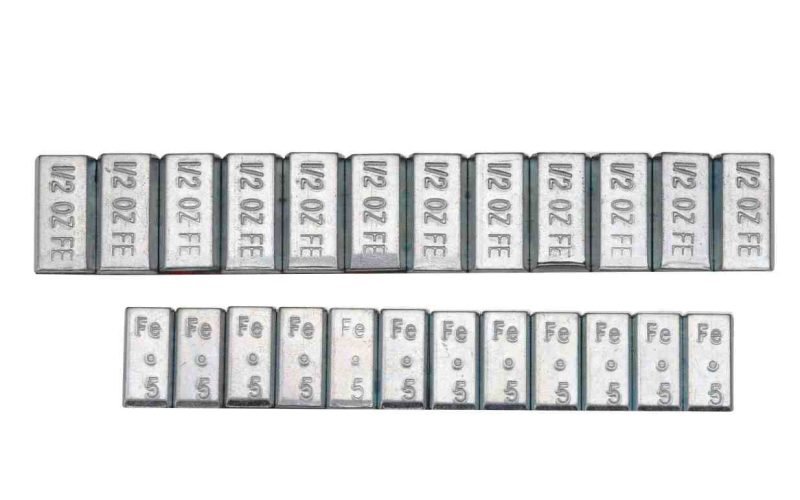
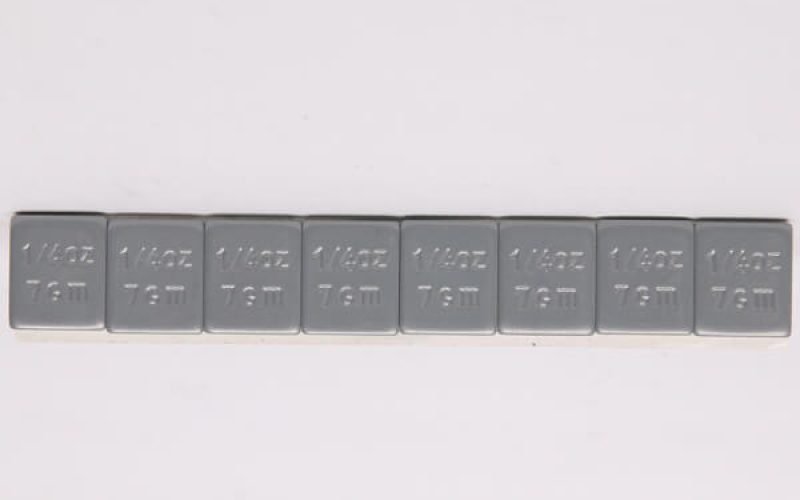
You can consult your technician or check the product label. Many lead-free wheel weights feature markings—such as “Fe” for steel or “Zn” for zinc—whereas lead weights may be marked with “Pb.”
Why should I choose Fortune wheel weights?
From Fortune, you can obtain high-quality wheel balance weights that have undergone rigorous testing. The company offers both lead and non-lead options. Fortune consistently adheres strictly to all safety and environmental regulations. You can trust Fortune to provide reliable products.
 Request a quote