 30Mar
30Mar 

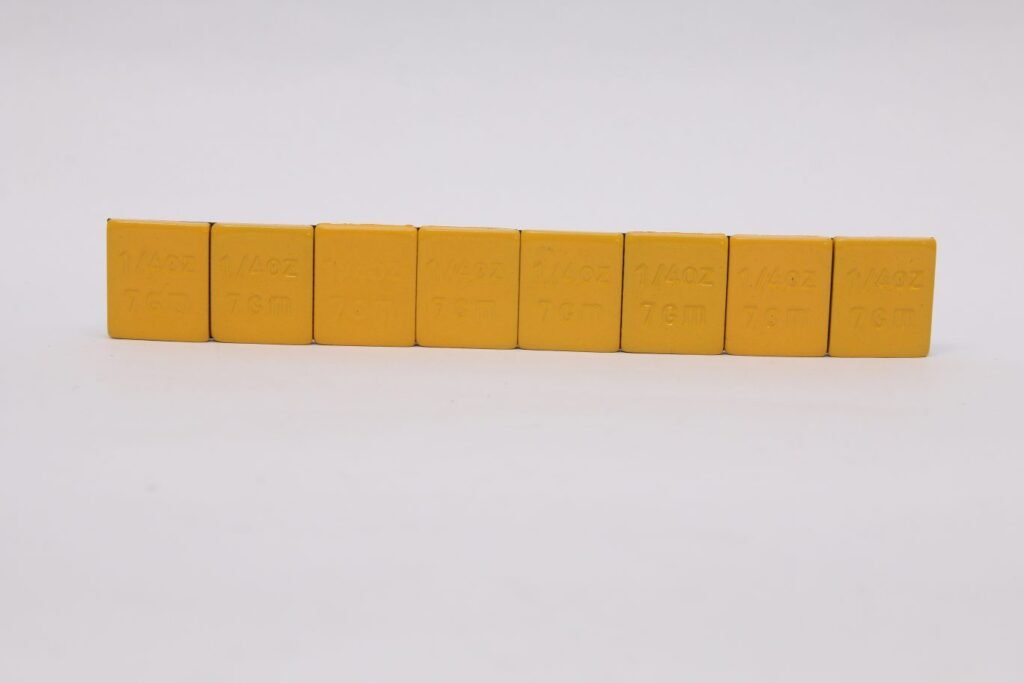
You might be wondering if adhesive wheel weights are right for your car. The answer depends on your car model and wheel type. Many car owners choose adhesive wheel weights for high-performance cars, electric vehicles, and luxury models, especially those equipped with alloy wheels. These weights not only have a clean look but also effectively prevent scratches, which is especially important for custom or modern wheels. Fortune wheel weights excel in this regard, providing reliable balance and a stylish appearance.
Key Takeaways
- Adhesive wheel weights provide a sleek look and protect alloy wheels from scratches.
- Best suited for luxury or high-performance vehicles.
- Ensure proper orientation during installation for optimal performance.
- Clean wheel rims before applying to secure strong adhesion and prevent detachment.
- Regularly inspect weights, especially after bumpy roads or harsh weather, to maintain balance.
- Adhesive weights work best on smooth, clean rims; in tight or dirty areas, use snap-on or clip-on alternatives.
- Opt for trusted brands like Fortune to prolong wheel life and preserve appearance.
Stick-On Wheel Weights: Pros and Cons
Effectiveness and Reliability
You certainly want your wheels to stay balanced and provide a smooth ride. Adhesive wheel weights can help you achieve this. These weights use a strong adhesive and can be directly attached to the inside of the wheel rim. When installed correctly, they hold firmly, maintaining tire balance even at high speeds.
Fortune wheel weights are a prime example of high-quality adhesive weights. You can confidently use them on alloy wheels without worrying about scratches. They blend seamlessly with the rim, offering a clean and understated look. Fortune conducts corrosion resistance tests on its wheel weights to ensure they can withstand rain, snow, and road salt.
Tip: Before installing adhesive wheel weights, always ensure the wheel rim surface is clean and dry. This helps the adhesive bond better, resulting in a secure and reliable weight hold.
Typical Use Cases
You’ll see adhesive wheel balancing blocks in many situations. Professionals typically recommend them for:
- High-end or aftermarket wheels where appearance is paramount.
- Wheels with smooth, clean surfaces for easy adhesive adhesion.
- Vehicles where clip-on balancing blocks might scratch or damage the wheels.
Adhesive wheel balancing blocks are suitable for sports cars, trucks, and SUVs. If you have custom wheels or want to maintain their stylish appearance, these blocks are a wise choice. You’ll also see them on vehicles requiring precise balance, such as high-performance cars.
However, you might encounter some issues if your wheel’s brake components are close to the rim. In this case, there might not be enough space to attach the balancing blocks. If the wheel surface is dirty or greasy, the adhesive’s adhesion may be affected. Therefore, always check your wheels before choosing adhesive balancing blocks.
Adhesive wheel balancing blocks offer a reliable and aesthetically pleasing way to balance your tires. Using a trusted brand like Fortune, you’ll get both performance and style.
Stick-On Wheel Weights: Advantages
Easy Installation
With just a few tools and some careful preparation, you can install adhesive wheel weights. This process requires no professional skills, so you can do it at home or at a repair shop. Here are the basic steps and required tools:
- Use a wheel balancer to find the appropriate positions for the weights.
- Clean the wheel rim surface with a water-based cleaner to remove dirt and grease.
- Measure and cut the adhesive weights to fit your wheel rim size.
- Ensure there is sufficient space between the weights and the brake pads or discs.
- Be sure to thoroughly clean the wheel rim before attaching the weights.
Tip: A clean surface helps the adhesive bond better and makes the weights more secure and durable.
Alloy Wheel Compatibility
You’ll find that adhesive wheel weights work particularly well with alloy wheels. Their strong adhesive backing firmly bonds to the inner surface of the wheel. This design helps the weights adhere directly to a flat area, which is crucial for long-term use. If the surface is properly prepared, the weights will adhere firmly and last longer. You don’t need to worry about scratches or damage to the alloy wheels, making these weights a wise choice for modern vehicles.
Aesthetic Appeal
If you prioritize wheel aesthetics, then adhesive wheel weights are undoubtedly an advantage. These weights feature a discreet design, hiding behind the spokes or attaching to the inside of the rim. This means they won’t disrupt the clean, flowing lines of custom or high-end wheels. You get a balanced driving experience while maintaining a stylish look. Many car owners choose this method to make their wheels appear more refined and professional.
Stick-On Wheel Weights: Disadvantages
Adhesive Limitations
Adhesive-on wheel weights are fixed to the wheel rim using adhesive. If the adhesive is not strong enough, the weights may shift or fall off. Most problems occur when the wheel rim is dirty or uncleaned before installation. The wheel rim must be thoroughly cleaned before installing the weights. Using a high-quality adhesive helps avoid these problems: The table below lists common adhesive problems, their causes, and solutions:
| Issue | Causes | Solutions |
|---|---|---|
| Poor Adhesion | Dirty rim surface, poor adhesion, improper installation | Clean the rim, use high-quality adhesive, and follow the installation instructions |
| Counterweight Detachment | Temperature changes, high-speed driving, improper use | Use heat-resistant adhesive, ensure strong adhesion, and check regularly |
| Wheel Imbalance | Incorrect size or position, counterweight displacement/detachment | Use the correct sized counterweights, rebalance the wheel, and properly secure the counterweights |
Tip: Ensure the wheels are clean and dry before attaching any weights.
Environmental Factors
Weather conditions affect the adhesive strength of tape. Both excessively hot and cold weather can reduce adhesion. In hot weather, some tapes may soften and lose their stickiness. In cold weather, ordinary tapes may crack and lose their adhesiveness. You should choose tapes suitable for all weather conditions. Some tapes are specifically designed for cold regions and can firmly bond heavy objects even in winter.
Maintenance Needs
You should regularly check your wheels to ensure the weights are securely attached. Over time, salt, water, and dirt from the road can weaken the adhesive. If you frequently drive at high speeds or on rough roads, you’ll need to check your wheels even more often. If the weights come loose, the wheels may become unbalanced, causing the vehicle to vibrate or the tires to wear unevenly. Regular checks help you detect problems early and ensure a smooth ride.
Stick-On vs. Clip-On Wheel Weights

Performance Comparison
To ensure a smooth ride, you need to maintain wheel balance. Both adhesive and snap-on wheel weights can help you achieve this. When correctly installed, adhesive weights will adhere firmly to the rim without affecting its appearance. Using the wrong snap-on weights can scratch the rim’s clear coat. Adhesive weights require thorough cleaning of the rim surface before application, which helps the adhesive adhere firmly.
- Adhesive weights blend seamlessly with the rim, without looking out of place.
- Snap-on weights may be easier to install and remove on some rims.
- Fortune offers both types of weights, allowing you to choose the style best suited for your vehicle.
Durability and Longevity
You certainly want your wheel weights to withstand all kinds of weather. Fortune manufactures wheel weights in lead, zinc, and steel. Lead weights perform well but are restricted in some areas. Zinc and steel weights are robust, durable, and meet environmental standards. Some states and provinces have banned lead weights, so you may need to choose zinc or steel weights. Fortune tests all its weights for corrosion resistance to ensure their durability.
- The Toxic Substances Control Act regulates lead weights.
- Nine states in the United States and Canada have banned lead weights.
- Zinc and steel weights are not subject to these bans.
Wheel Type Suitability
You need to choose the appropriate counterweights based on your wheel type. Adhesive counterweights are best suited for alloy wheels and some high-end steel wheels. They can be glued to the flat surface inside the wheel without scratching it. Clip-on counterweights are suitable for wheels with harder edges, but may leave marks. The table below compares the characteristics of various counterweights:
| Feature/Benefit | Stick-on Wheel Weights | Clip-on Weights |
|---|---|---|
| Aesthetic Appeal | Less noticeable | More visible |
| Risk of Rim Damage | Lower | Higher |
| Suitability for Low-Profile Tires | Ideal | Less suitable |
| Resistance to Rust | Less likely | More likely |
As you can see, adhesive wheel weights have a clean look and also protect the wheels. Clip-on weights are suitable for wheels with stiffer edges and are easy to remove. Fortune offers both types of weights, so you can find the perfect fit for your vehicle.
When to Choose Stick-On Wheel Weights
Best Vehicle Types
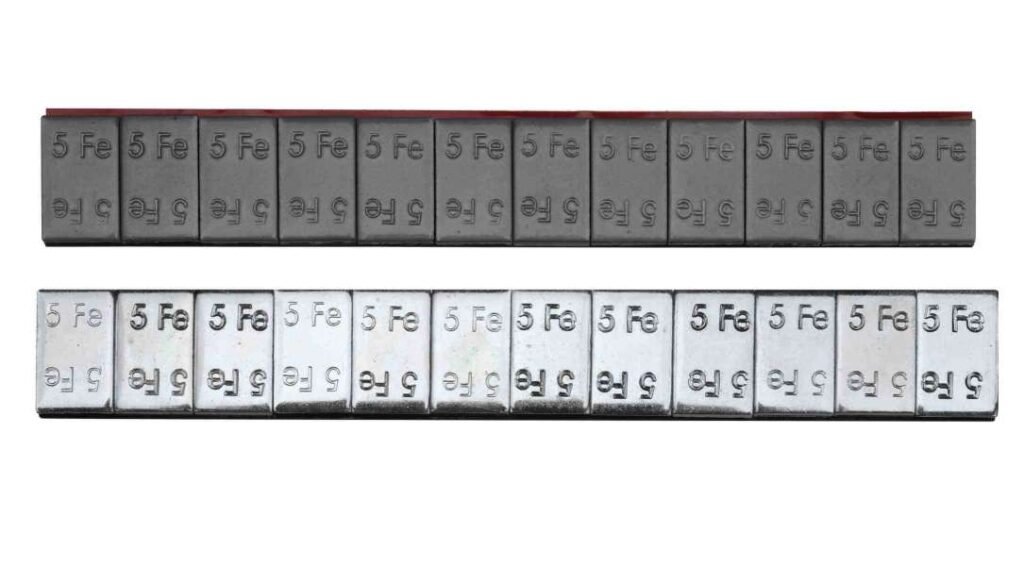
You definitely want your wheels to look good and perform exceptionally well. Adhesive wheel weights are ideal for certain vehicle types. If you drive a sports car, precise balance is crucial at high speeds. These weights help improve ride smoothness. Many luxury sedans use alloy wheels. Adhesive weights fit these wheels perfectly, leaving no marks or scratches. You’ll also see these weights on electric vehicles. Electric vehicles require a quiet and smooth ride, so balance is paramount.
Here are some of the vehicle types that will benefit most:
- Sports cars with low-profile tires
- Luxury sedans with alloy wheels
- Electric vehicles that require quiet operation
- SUVs and trucks with custom wheels
Tip: If you prioritize the appearance of your wheels, choose adhesive wheel weights for a clean and discreet look.
When to Avoid Stick-On Weights
In some situations, adhesive wheel weights are not ideal. If the wheel surface is rough or dirty, the adhesive may not adhere firmly. If the gap between the wheel and brake components is small, this type of weight should be avoided. In such cases, the weight may fail to install or may detach.
Please see the table below for when adhesive weights are not suitable:
| Situation | Reason to Avoid |
|---|---|
| Dirty or oily wheel surface | Poor adhesive bond |
| Tight brake clearance | Not enough space |
| Off-road or heavy-duty use | Higher risk of loss |
| Frequent extreme temperature | Adhesive may weaken |
Before choosing a type of counterweight, be sure to inspect the wheels. If any problems are found, consider alternative options, such as clamp-type counterweights.
Maximizing Stick-On Wheel Weight Performance
Installation Tips
To ensure the adhesive wheel weights are secure and effective, follow these steps:
- Clean the wheel rim with a solvent. Ensure the rim surface is dry before starting.
- Select the appropriate weights for your wheel. Refer to the manufacturer’s guide or use a dynamic balancing machine for selection.
- Attach the adhesive weights to the correct positions. Press firmly to ensure they adhere securely.
- Check the weight placement. Verify the weight placement using a dynamic balancing machine.
Tip: Always clean the wheel before attaching any weights. Dirt and grease will reduce the adhesive’s stickiness.
Inspection and Maintenance
You need to check your wheel weights regularly. This helps you detect problems early and maintain a smooth ride.
- Check the weights after rotating or replacing your tires.
- Check the weights every 500 to 1000 miles (approximately 800 to 1600 kilometers). Make sure they are still securely installed and functioning properly.
- Check for signs of loosening or damage.
If you find any problems, fix them immediately. The table below lists common issues and their solutions:
| Problem | Solution |
|---|---|
| Counterweight size or position incorrect | Use a wheel balancer and follow the instructions |
| Counterweight shifted or detached | Clean and dry the wheel, press the counterweight firmly |
| Damaged wheel or tire | Inspect and repair or replace as needed |
| Adhesive failed due to weather conditions | Use weather-resistant counterweights and keep warm during winter use |
Regular checks help prevent bigger problems. If you find any missing weights, rebalance your wheels as soon as possible.
Properly installing and maintaining adhesive wheel weights ensures a smooth ride. Enjoy better performance and a safer driving experience with just a few simple steps.
Now you understand the main advantages and disadvantages of adhesive wheel weights. They can make your wheels look better and are best suited for alloy wheels. Adhesive weights are ideal for city or highway driving. Clip-on weights stay secure on rough or wet surfaces. Please see the table below for a comparison:
| Feature | Stick-On Weights | Clip-On Weights |
|---|---|---|
| Installation | Adhesive, needs cleaning | Clipped, may need tools |
| Visibility | Low-profile, hidden | More visible |
| Durability | May lose adhesion | Secure once installed |
Think about your car, your wheels, and the roads you drive most often. Fortune wheel weights offer the ideal solution for a variety of situations.
FAQ
How do you install stick-on wheel weights?
First, clean the rim surface. Peel off the adhesive backing. Press the weight firmly onto the rim. Use a wheel balancer to check the position. Ensure the surface is dry and free of grease.
Can you use stick-on wheel weights on steel wheels?
Yes, steel wheels can use adhesive weights. They work best on flat, clean surfaces. You should check that the adhesive backing is secure. Many people use them on alloy wheels, but they are also suitable for steel wheels.
Do stick-on wheel weights fall off easily?
If installed correctly, adhesive weights will be secure. Clean the rim before attaching. Use high-quality adhesive weights like Fortune. Extreme weather or dirty surfaces can cause problems, so check your wheels frequently.
Are stick-on wheel weights reusable?
No, adhesive weights cannot be reused. Once removed, the adhesive backing loses its stickiness. A new weight should be used each time you install it to maintain wheel balance and safety.
What makes Fortune Wheel Weights a good choice?
Fortune wheel weights offer the advantages of strong adhesion, corrosion resistance, and a discreet appearance. They are suitable for various wheel types, help maintain a smooth ride, and make your wheels look more aesthetically pleasing.
 Request a quote