 13Mar
13Mar 

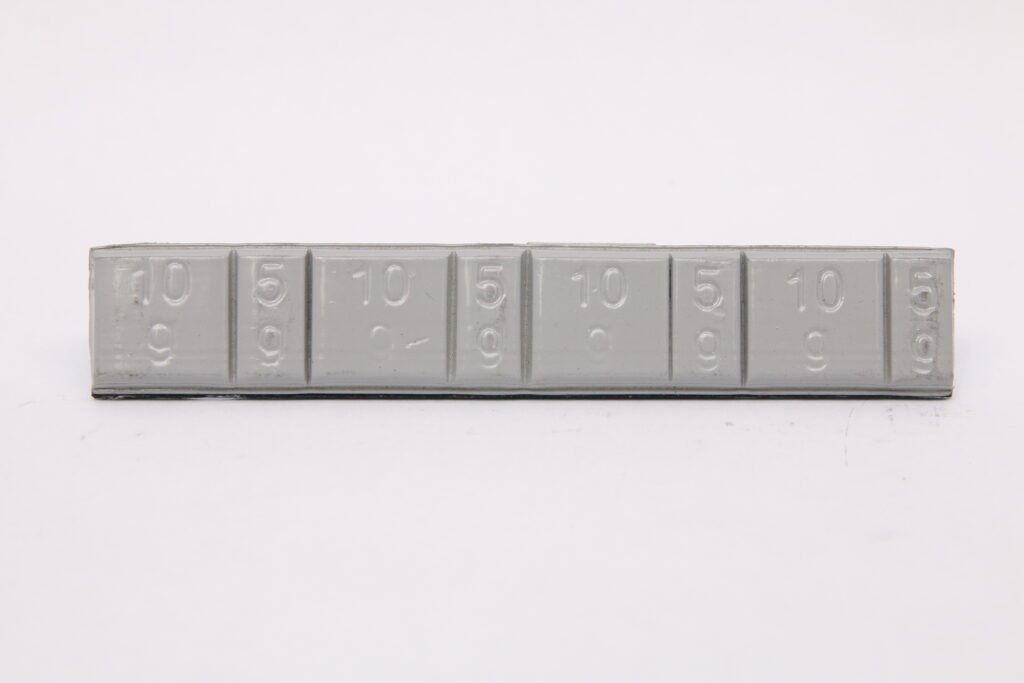
Many drivers want to know if stick-on or clip-on wheel weights work better. Fortune Wheel Weights stands out as a trusted brand because it offers both options for different needs. Choosing the right wheel weight helps keep tires balanced and protects the wheels.
- Stick-on weights look neat and do not harm alloy wheels, making them a good fit for modern or luxury cars.
- Clip-on weights cost less but may damage wheels or cause corrosion, especially when appearance matters.
- Tire balance affects ride quality, tire life, and fuel use.
Key Takeaways
- Stick-on weights work well for alloy wheels. They make wheels look neat and do not harm the surface.
- Clip-on weights cost less but can scratch rims. They might also cause rust, especially on alloy wheels.
- It is important to install wheel weights correctly. This helps tires stay balanced. Good balance makes rides smoother and safer.
- Picking the right wheel weight helps tires last longer. It also makes cars run better.
- Fortune Wheel Weights sells both kinds. Drivers can choose what fits their needs and how they drive.
Wheel Weight Cost
Stick-On Wheel Weight Price
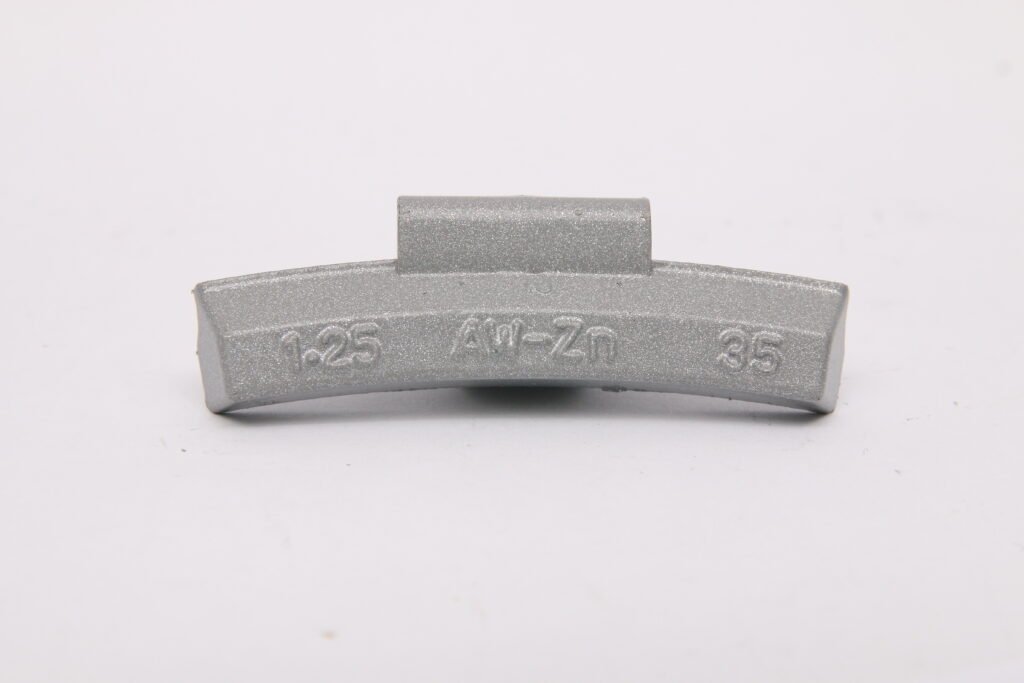
Stick-on wheel weights offer a range of prices based on material and quantity. Many automotive suppliers provide these weights in bulk, making them cost-effective for shops and individuals. The table below shows common price ranges for stick-on wheel weights:
| Product Description | Price Range (per unit) | Minimum Order Quantity |
|---|---|---|
| High Quality Stick-on Steel Balancing Weights | $0.06 – $0.35 | 50 pieces |
| 1/4 oz Stick on Wheel Weight Balance | $7.50 – $8.90 | 50 boxes |
| 5G Zn Plated or Coated Fe Sticker Wheel Balance Weight | $4.65 – $5.20 | 10 sets |
| 5g 10g Wheel Balance Weight Parts | $2.60 – $3.20 | 2 boxes |
| Grey 1/4OZ Steel Adhesive Wheel Balancing Weights | $4.20 – $5.00 | 1 box |
These prices show that stick-on weights can be very affordable, especially when purchased in larger quantities.
Clip-On Wheel Weight Price
Clip-on wheel weights also come in a wide price range. The cost depends on the material, coating, and brand. The table below lists typical prices for clip-on wheel weights:
| Product Description | Price Range (per unit) |
|---|---|
| Steel Clip on Wheel Weights | $3 – $8 |
| Lead Clip-on Wheel Weights | $3.50 |
| Lead Clip on Wheel Balancing Weights | $6.29 – $6.99 |
| High Quality Wholesale Clip on Wheel Weights | $6.50 – $7 |
| Plastic Coated Clip-on Wheel Weight | $0.90 – $7 |
| Clip on Wheel Balancing Weights | $1.40 – $1.60 |
| Fe Clip-on Wheel Balance Weight | $2.98 – $3.32 |
| Hot Selling Clip on Wheel Balancing Weights | $3.90 – $4.20 |
| Pb Clip on Wheel Weight | $6 – $7.50 |
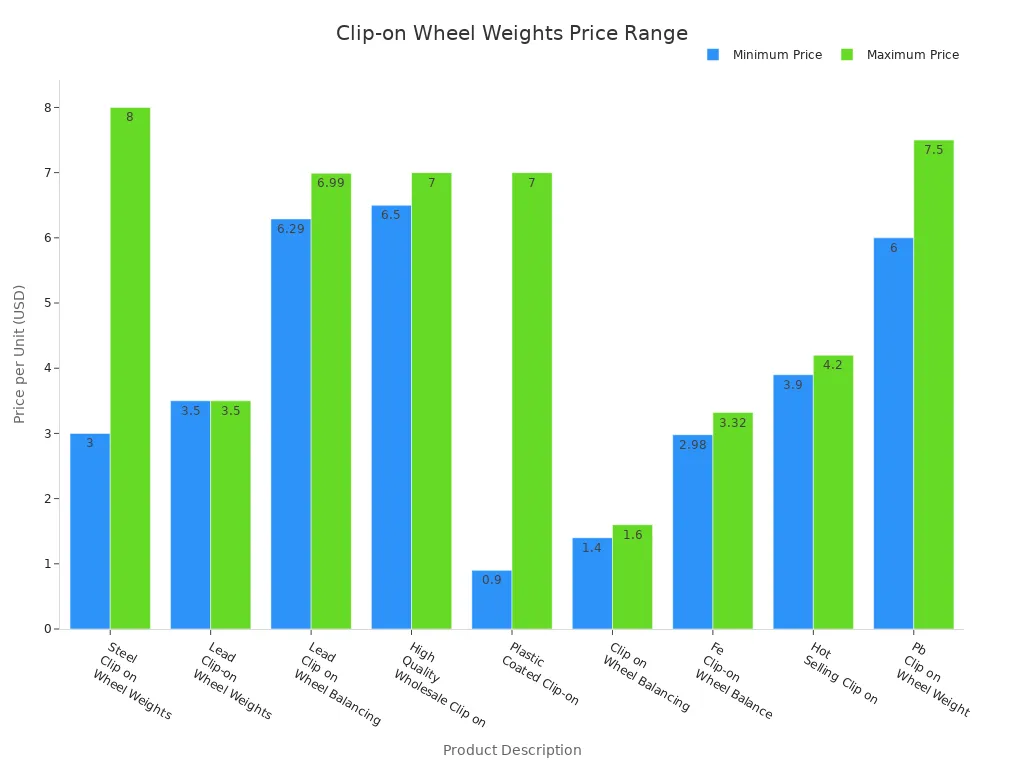
This chart helps compare the minimum and maximum prices for clip-on wheel weights from different brands.
Value Comparison
When comparing stick-on and clip-on wheel weights, buyers should consider more than just the price. The long-term value depends on durability, replacement frequency, and the effect on vehicle performance.
- Stick-on wheel weights last longer and resist weather better, so they need fewer replacements.
- They help reduce vibrations, which can prevent expensive repairs to the suspension and steering.
- Proper tire balance from stick-on weights can extend tire life and save money over time.
Choosing the right wheel weight can lead to savings and better vehicle performance. Fortune Wheel Weights offers both types, giving drivers options that fit their needs and budgets.
Wheel Weight Installation & Removal
Stick-On Wheel Weight are easy to install
Many drivers like stick-on wheel weights. They are simple to put on. They also work well with alloy wheels. Before starting, drivers need the right tools and materials. The table below shows what you need for a smooth job:
| Tool/Material | Purpose/Description |
|---|---|
| Adhesive-backed stick-on weights | These weights are needed for installation and come in different sizes and materials. |
| Wheel cleaner or rubbing alcohol | This is used to clean the wheel so the weight sticks. |
| Clean cloth or microfiber towel | This helps clean and dry the wheel without streaks. |
| Masking tape (optional) | This can mark where the wheel is not balanced. |
| Wheel balancer or balancing machine | This tool checks for small imbalances in the wheel |
Clip-On Wheel Weight Process
Clip-on wheel weights are fast to use. They balance steel and some alloy wheels. First, installers use a wheel balancer to find the problem spot. Then, they pick the right size and shape of clip-on weight. The installer pushes the weight onto the rim edge with a special tool. Fortune makes clip-on weights that are easy to attach and stay on well. This saves time when putting them on. Checking the weights often helps keep the wheel balanced.
Removal Tips
Taking off wheel weights needs care to protect the wheel. These tips help you avoid damage:
- Use a gentle adhesive remover for stick-on weights.
- Pry off clip-on weights slowly with the right tool.
- Wipe away leftover adhesive with a soft cloth.
- Do not use sharp tools that can scratch the wheel.
- Look at the wheel after to see if there are marks or glue left.
Tip: Always follow the manufacturer’s instructions for both installation and removal. This keeps your wheels looking nice and working well.
Wheel Weight Appearance
Stick-On Wheel Weight Look
Stick-on wheel weights blend into the wheel design. Many car owners choose these weights because they stay hidden behind the spokes. They do not stand out, so the wheels look clean and smooth. Drivers who care about the appearance of their vehicle often select stick-on weights. These weights work well with alloy wheels and match modern styles.
- Hidden adhesive wheel weights are preferred for a cleaner look.
- Stick-on wheel weights are often chosen by those concerned about the aesthetics of their vehicle.
Clip-On Wheel Weight Look
Clip-on wheel weights sit on the rim edge. They are easy to spot, especially on steel wheels. Some drivers like the visible look because it adds a sporty or rugged touch. Clip-on weights show off a classic style and suit trucks or older cars. People who want a bold appearance may pick clip-on weights.
- Visible clip-on weights are appreciated for their sporty appearance.
- Clip-on weights add a sporty and rugged look to the wheels.
Wheel Finish
Wheel finish matters to many drivers. Stick-on wheel weights protect alloy rims because they do not scratch or chip the surface. They need a clean spot to stick well. Clip-on wheel weights can harm the finish if the clips do not fit right. Poorly fitting clips may loosen and cause marks. The table below compares concerns about wheel finish damage:
| Type | Concerns Regarding Wheel Finish Damage |
|---|---|
| Stick-On | Preferred for alloy rims to avoid damage; requires clean surface for adhesion. |
| Clip-On | Can potentially harm the finish of alloy rims; poorly fitting clips may loosen. |
Tip: Always check the wheel before installing any wheel weight. Clean the surface and use the right product for your wheel type.
Wheel Weight Reliability & Performance
Stick-On Wheel Weight Durability
Stick-on wheel weights last a long time if put on right. Fortune checks these weights with salt spray to see if they rust. This test makes sure the weights can handle rain, snow, and road salt. Fortune also sells lead-free weights that are better for the environment. These stick-on weights use strong glue that holds tight, even on bumpy roads or at high speeds. People who race or use light wheels like stick-on weights. The weights stay in place and do not make the wheels heavy. That is why sports cars and custom wheels often use them.
Note: Stick-on wheel weights fit wheels with special shapes. They do not work for every rim, but they are great for many new designs.
Clip-On Wheel Weight Durability
Clip-on wheel weights are made from different materials. Each material has good and bad points. The table below shows how the material changes how long the weight lasts and if it rusts:
| Material | Durability Concerns | Corrosion Resistance |
|---|---|---|
| Lead | Soft metal that can wear down, prone to chipping and flaking. | Not rated for corrosion resistance. |
| Zinc | Good durability, maintains structural integrity over time. | Excellent resistance to oxidation and moisture. |
| Stainless Steel | Not applicable. | Excellent corrosion resistance due to a protective oxide layer. |
| High-Performance Alloys | Engineered for optimal strength-to-weight ratios, providing high durability. | Not applicable. |
Many clip-on weights today have plastic or polymer coatings. These coatings keep water, road salt, and chemicals away from the weights. This helps the weights last longer and look nice. Fortune uses these coatings to make their products strong in any weather.
Fortune has ISO 9001 certification. This means they make high-quality products and follow good rules. They also sell lead-free clip-on weights to help the planet.
Choosing the Right Wheel Weight
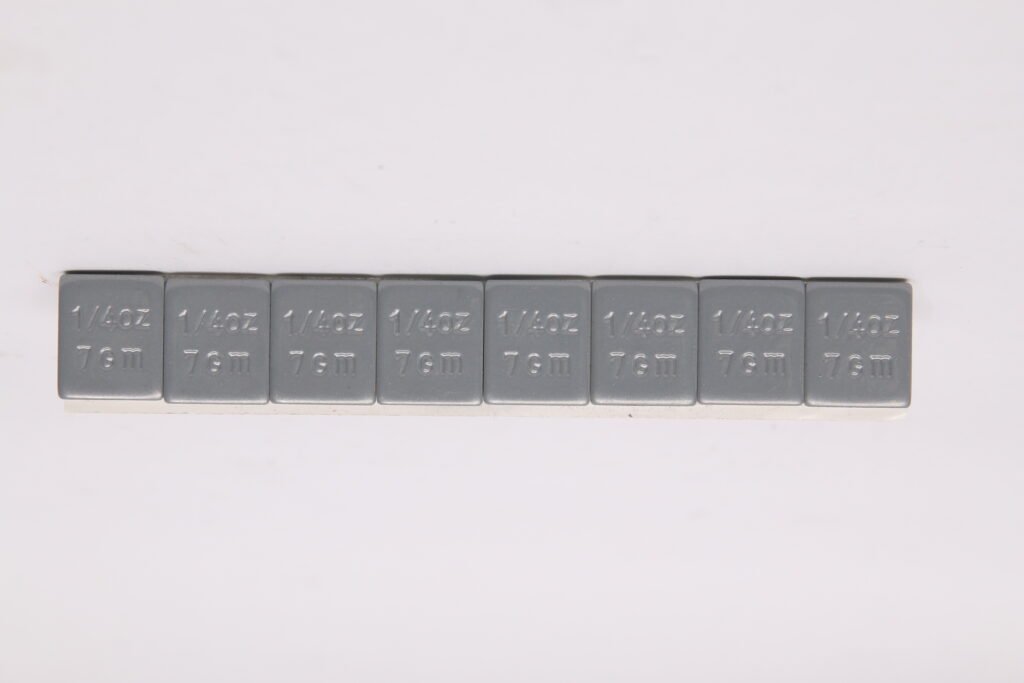
Stick-On Wheel vs. Clip-On Wheel
Picking the best wheel weight depends on your wheel type, where you drive, and what you need. Stick-on weights work well with alloy wheels. Alloy wheels have smooth surfaces, so stick-on weights fit tightly and do not scratch or dent them. Steel wheels are good for clip-on weights. The shape of steel rims makes clip-on weights easy to put on.
| Wheel Material | Preferred Weight Type | Reasoning |
|---|---|---|
| Alloy Wheels | Stick-On | Stick-on weights fit well because alloy wheels are smooth. |
| Steel Wheels | Clip-On | Clip-on weights work best with steel rims because of their shape. |
Drivers should think about how they drive and where they go. Stick-on weights stay on well in cities and on highways. Their glue keeps them stuck even in rain or ice. Clip-on weights are better for off-road or snowy places. They stay tight even if mud or dirt covers the wheels.
Other things to think about are:
- If the weight fits your wheel
- What the weight is made of
- How you put the weight on
- Weather and road conditions
The kind of wheel matters a lot. Clip-on weights can hurt alloy wheels, so stick-on weights are safer for them. Steel wheels can use both types, but clip-on weights usually fit better.
Pros & Cons Summary
Stick-on and clip-on weights each have their own good points. The table below shows the main differences:
| Feature | Stick-On Weights | Clip-On Weights |
|---|---|---|
| Ease of Removal | Easy to change if they fall off | Fast to put on and adjust |
| Risk of Wheel Damage | Less chance of hurting the rim | Might scratch the rim when installed |
| Appearance | Hidden behind spokes, looks neat | Seen on the rim edge, sporty look |
| Durability | Strong glue, stands up to bad weather | Stays on in tough, muddy places |
| Wheel Compatibility | Best for alloy and custom wheels | Best for steel wheels |
Some experts say clip-on weights have problems. They can scratch rims, cause rust, and damage clear coats on expensive wheels.
| Disadvantage | Explanation |
|---|---|
| Damage to rims | Clip-on weights can scratch or dent modern alloy rims. |
| Risk of corrosion | Water under the weight can make the rim rust over time. |
| Scratching clear coat | Clip-on weights can scratch the clear coat, making the rim worse. |
Drivers have different opinions:
- Some like clip-on weights because they think stick-on weights might fall off.
- Others say clip-on weights balance wide wheels better.
- Clip-on weights are seen more often on cars on the street.
Tip: Always pick the wheel weight that matches your wheel and how you drive. This gives the best results.
Fortune has many wheel weights for all needs. Drivers can pick stick-on weights for a clean look and rim safety or clip-on weights for tough use and quick setup. The right choice helps tires last longer and makes the ride smoother.
Stick-on wheel weights often work best for alloy wheels and drivers who want a clean look. Clip-on weights suit steel wheels and tough conditions. Fortune Wheel Weights stands out for quality and safety. Many drivers trust Fortune because the company uses steel and zinc, which are safer for the environment than lead. Steel weights can be recycled. Zinc does not pollute. Drivers should match their wheel weight to their wheel type and driving style. Professional installation helps keep wheels balanced and safe.
FAQ
What wheels work best with stick-on wheel weights?
Stick-on wheel weights fit alloy wheels best. They attach smoothly to flat or curved surfaces. Many drivers choose them for custom or luxury wheels because they do not scratch or damage the finish.
Can drivers install Fortune Wheel Weights at home?
Yes, many drivers install Fortune Wheel Weights at home. They need a clean wheel surface and the right tools. Following Fortune’s instructions helps ensure proper balance and secure attachment.
How long do stick-on and clip-on wheel weights last?
Both types last a long time when installed correctly. Fortune tests its wheel weights for corrosion resistance and durability. Stick-on weights resist weather well, while clip-on weights stay secure in rough conditions.
Are Fortune Wheel Weights environmentally friendly?
Fortune offers lead-free wheel weights made from steel and zinc. These materials help protect the environment. Drivers can choose these options to reduce pollution and support recycling efforts.


 Request a quote