 10Mar
10Mar 

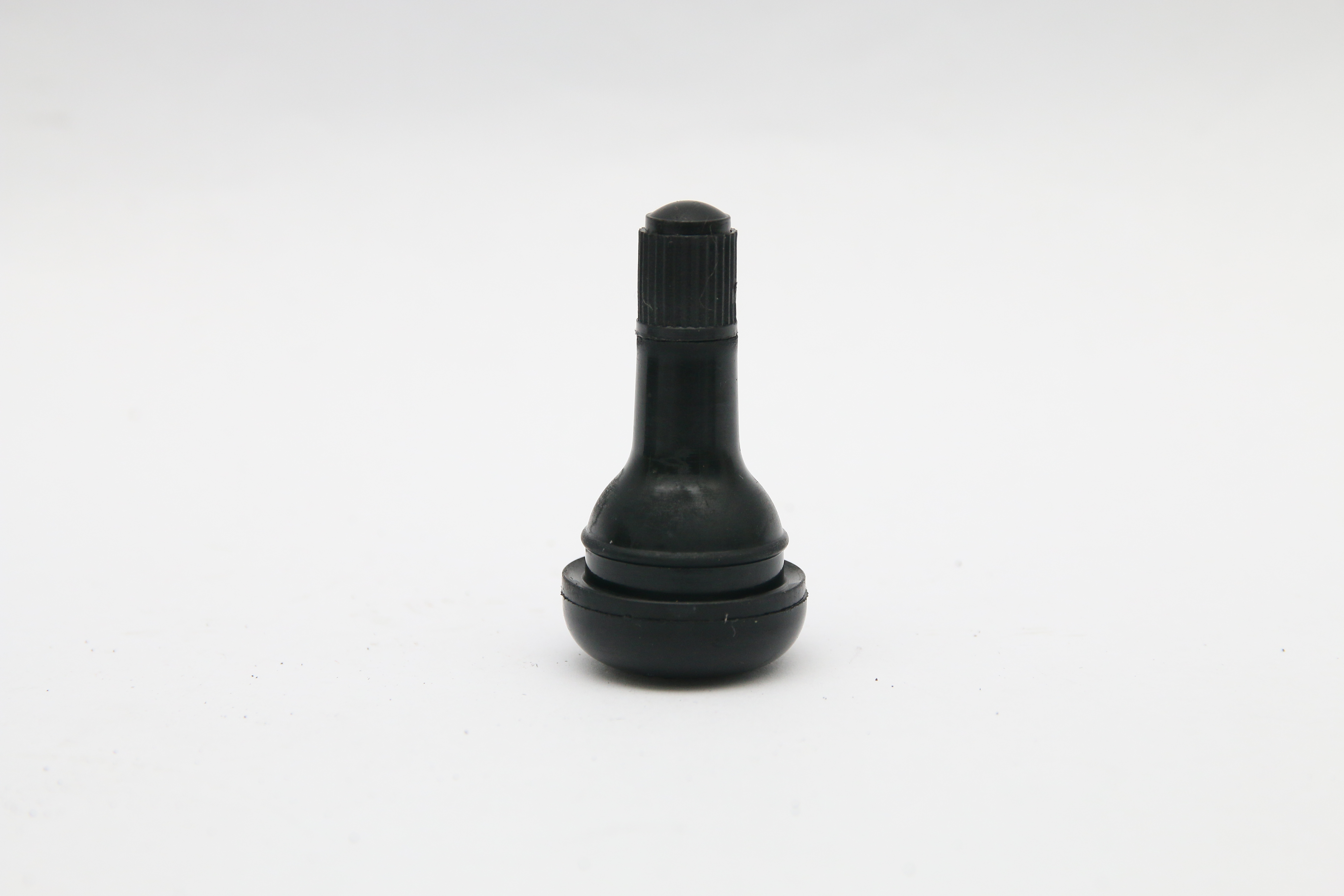
Rubber valve stems are not really universal. In cars, “universal” means a part fits most cars without changes. Valve stems have different sizes. They work best with certain wheel types. To ensure a perfect installation, users need to select the appropriate valve stem based on the size and style of the wheel hub.
- Many drivers pick rubber valve stems because they are cheap and work well in regular cars.
- Metal valve stems are now popular when people want strong parts and need them to work with Tire Pressure Monitoring Systems.
Key Takeaways
- Rubber valve stems are not all the same size. They come in many sizes and must fit your vehicle’s wheels. This helps make sure they fit right.
- Use rubber valve stems for most cars and motorcycles. Pick metal stems for trucks or when you need high pressure.
- Always look at the wheel hole size before you pick a valve stem. This helps make a good seal and stops air from leaking.
- Change rubber valve stems every 3 to 5 years. This keeps your tires safe and working well.
- Think about where and how you drive. Rubber stems are good for normal use. Metal stems are better for tough or extreme places.
Valve Stem Types
Rubber vs. Metal
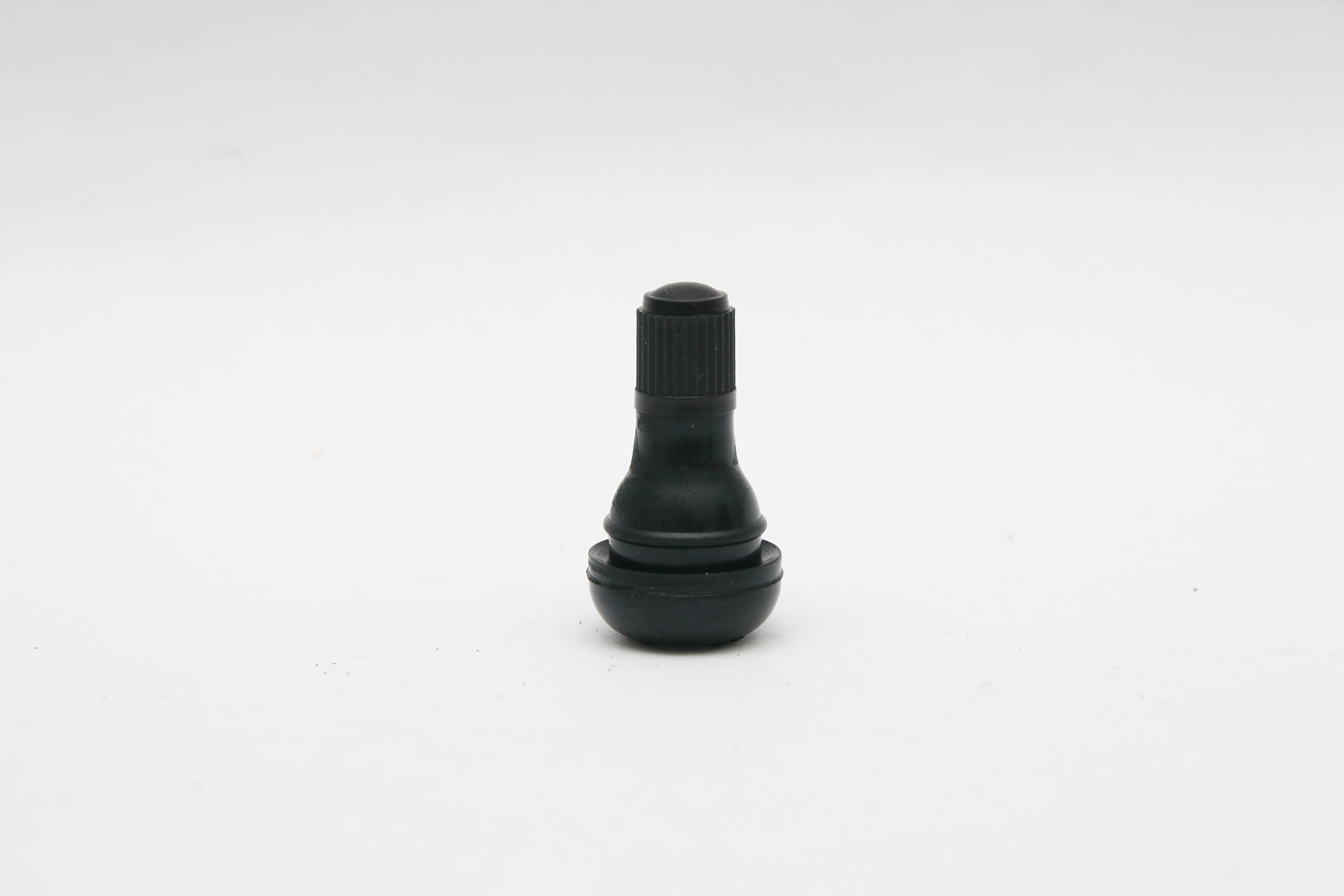
Valve stems are mostly rubber or metal. Each kind works best for certain cars and uses.
| Feature | Rubber Valve Stems | Metal Valve Stems |
|---|---|---|
| Material Composition | Molded rubber with brass valve core | Brass, aluminum, or steel |
| Flexibility | Flexible and cost-effective | Greater strength and durability |
| Pressure Rating | Lower pressure ratings (60-65 PSI) | Higher pressure ratings for demanding conditions |
| Installation | Easier and quicker to install | More expensive and takes longer to install |
Rubber valve stems are easy to bend and inexpensive, making them popular for most passenger cars. They are quick to install and function properly in cold weather. However, over time, the rubber can age and crack, leading to leaks, especially in hot or rough conditions, which can compromise driving safety.
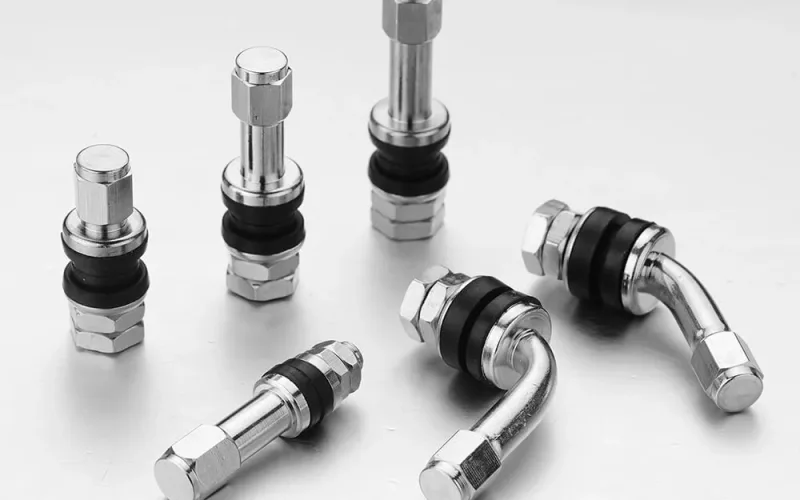
Metal valve stems, such as Fortune’s metal tire pressure monitoring system (TPMS) valve stems, are more robust and durable. They are less susceptible to high temperatures and corrosion, and can withstand higher tire pressures and rougher road surfaces. Metal valve stems are particularly suitable for large trucks, racing cars, and vehicles used in inclement weather.
Note: Experts say you should change rubber stems every 3-5 years. This helps stop air leaks and keeps you safe.
TPMS Compatibility
Many new cars are equipped with tire pressure monitoring systems (TPMS). These systems require special valves to mount the sensors. TPMS rubber valves maintain proper tire pressure and protect the sensors. They also prevent tire vibration and fit snugly against the rim. This helps the sensors function properly even in inclement weather or on bumpy roads.
Metal TPMS valves, such as those from Fortune, are also suitable for TPMS systems. They offer better protection for the sensors and have a longer lifespan in harsh environments. Users seeking optimal safety and performance typically choose metal TPMS valves.
Rubber Valve Stems and Compatibility
Standard Sizes and Fit
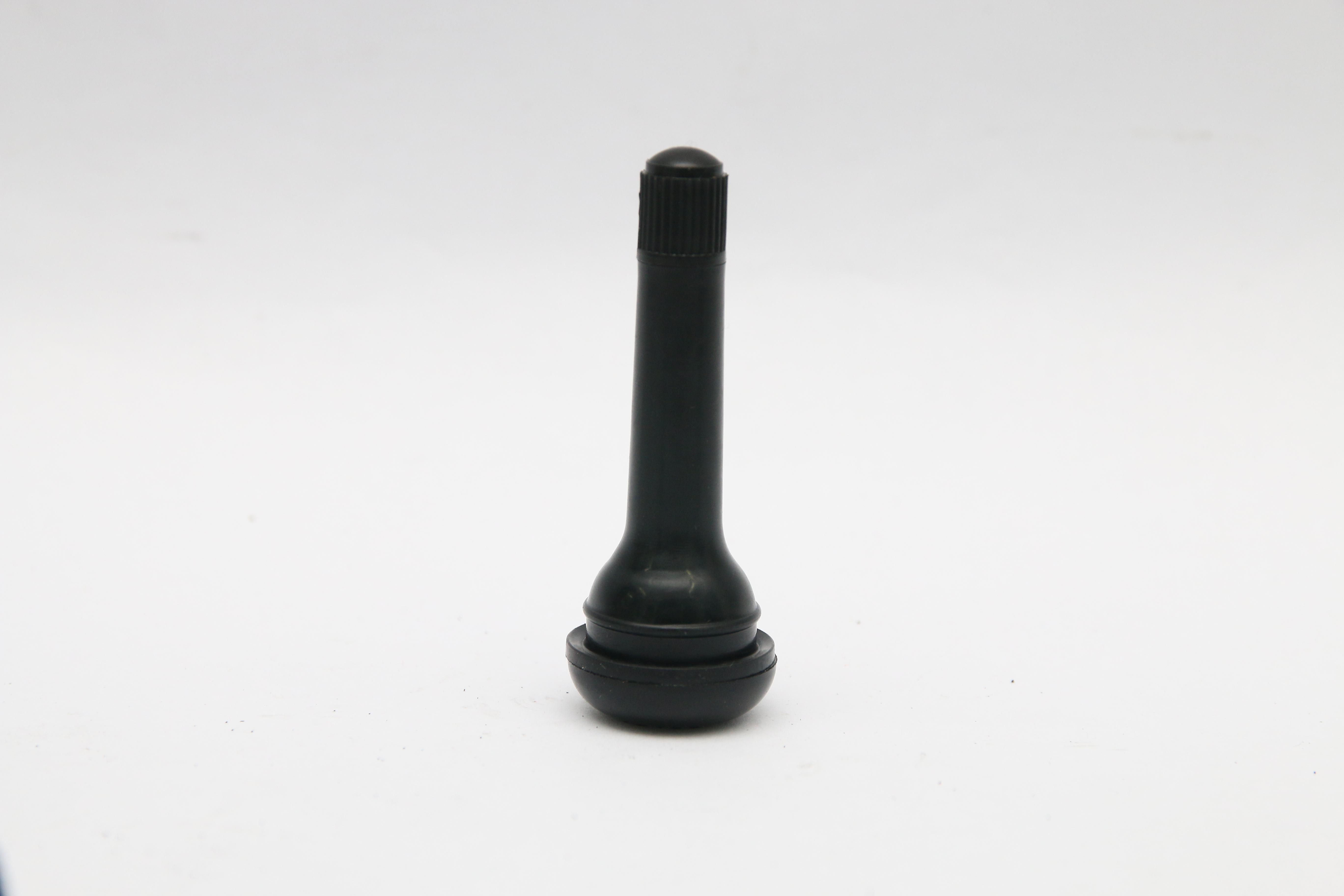
Rubber valve stems are made in a few main sizes. These sizes help people pick the right one for their wheels. Most cars use stems that are 8mm wide. Light trucks need stems that are 10mm wide. The stem can be different lengths, like 28mm, 30mm, 35mm, or 40mm. The bottom part is usually about 11.5mm wide. Each model fits a certain need. For example, TR413 is 28mm long, TR414 is 30mm, and TR415 is 35mm.
| Parameter | Common Sizes |
|---|---|
| Stem Diameter | 8mm (passenger cars), 10mm (light trucks) |
| Stem Length | 28mm, 30mm, 35mm, 40mm |
| Base Diameter | Generally 11.5mm |
| Common Models | TR413 (28mm), TR414 (30mm), TR415 (35mm) |
The size of the wheel hole is important too. The valve stem must fit tight so air does not leak. Most car wheels have holes between 0.445″ and 0.460″. Bigger wheels, like truck wheels, have holes from 0.618″ to 0.634″. The table below shows which valve types fit which hole sizes.
| Valve Type | Minimum Hole Diameter | Maximum Hole Diameter |
|---|---|---|
| TR11 | 0.445″ | 0.460″ |
| TR13 | 0.445″ | 0.460″ |
| TR15 | 0.618″ | 0.634″ |
Tip: Always check the wheel hole size before you pick a valve stem. This helps make sure it seals well and keeps you safe.
Where Rubber Valve Stems Work Best
Rubber valve stems are best for regular cars and motorcycles. They are made from flexible rubber like EPDM or butyl. There is a metal piece inside for extra strength. Their shape makes them easy to put in and helps them seal well. Most car makers use rubber valve stems for cars and motorcycles. Trucks can use them too, but many big trucks use metal stems because they are stronger.
Rubber valve stems have some good points for normal cars. They do not cost much and are flexible. They work well with most rims and normal driving. Special cars, like fancy cars or big trucks, often need metal stems. Metal stems last longer and handle more pressure.
| Vehicle Type | Valve Stem Type | Advantages | Disadvantages |
|---|---|---|---|
| Standard Vehicles | Rubber | Cost-effective, flexible | Prone to degradation, lower pressure ratings |
| Specialty Vehicles | Metal | Greater durability, high pressure resistance | More expensive, less flexible |
Experts say rubber or brass valve stems are good for cars and small vehicles. Motorcycles and fancy cars should use metal or TPMS stems. Big trucks and fleets need metal stems with strong bases. Bikes and small machines use special stems like Presta.
| Vehicle Type | Recommended Valve Stem Type | Key Features |
|---|---|---|
| Passenger Cars & Small Vehicles | Rubber or brass valve stems | Cost-effective, widely compatible |
| Motorcycles & Luxury Vehicles | Metal or TPMS-specific stems | Precision components for reliability and performance |
| Commercial Trucks & Fleets | Metal valve stems with reinforced bases | Durable, reduces maintenance frequency |
| Bicycles & Small Equipment | Specialized stems (e.g., Presta) | Practical options for motorized small vehicles |
Rubber valve stems are still a good pick for most cars. They fit most cars and motorcycles. They also work for light trucks. Special vehicles may need other types for safety and better performance.
rubber valve stems Compatibility Limits
High-Pressure and Specialty Uses
Not all valve stems work for every job. Some vehicles and machines need special valve stems. This is because they face high pressure or tough conditions. Heavy-duty trucks, racing cars, and factory machines deal with heat, pressure, or chemicals. These things can hurt rubber valve stems.
- Rubber valve stems can get weak from sunlight, ozone, or road chemicals. Over time, they might crack or get hard. This can make air leak out fast.
- Most rubber valve stems are fine for light and medium trucks. They are not good for heavy trucks or race cars that need high pressure.
- Farm and factory machines work in wet or dirty places. Humidity or chemicals can make rubber valve stems wear out faster. Leaks can happen if the wrong material is used.
- For tough jobs, people should use brass or stainless steel valve stems. These do not rust and last longer.
- Industrial valve stems help keep tire pressure steady. They work better when machines are used a lot or in hard places.
The wheel hole size is important too. Most rubber valve stems fit a .453″ hole. Some, like TR416, fit both .453″ and .625″ holes. Motorcycles use the .453″ size a lot. Trucks and special wheels may need the .625″ size.
Tip: Always match the valve stem to the wheel hole size and the job. This helps stop leaks and keeps tires safe.
Recommended Pressure Limits
| Valve Type | Maximum Pressure (PSI) |
|---|---|
| Standard Rubber Snap-In | 60 – 65 |
| High-Pressure Tubeless Snap-In | Up to 80 |
| High-Pressure Metal Clamp-In | Up to 200 |
- Standard rubber snap-in valves are good for most car tires.
- High-pressure tubeless snap-in valves work for up to 80 PSI.
- High-pressure metal clamp-in valves are best for heavy-duty and fast cars. They can handle up to 200 PSI.
Quick Reference Table
Picking the right valve stem depends on the vehicle, wheel, and how you use it. The table below shows how rubber and metal valve stems are different.
| Feature | Rubber Valve Stems | Metal Valve Stems |
|---|---|---|
| Compatibility | Most cars, light trucks, standard wheels | Trucks, fast cars, TPMS, tough places |
| Pressure Rating | 60 – 65 PSI | Up to 200 PSI |
| Installation Cost | Cheaper, easy to put in | Costs more, takes longer |
| Durability | Can break down in tough places | Very strong, lasts in hard places |
| Applications | Regular vehicles | Heavy-duty, fast, or special uses |
| TPMS Compatibility | Some types work with TPMS | Most types work with TPMS |
Exceptions and Special Cases
| Exception Type | Description |
|---|---|
| Valve Stem Length | Must match wheel rim depth for a good seal. |
| Thread Compatibility | Most use 7/16″-20 thread; some wheels may differ. |
| TPMS Integration | Not all rubber valve stems support TPMS; check before installing. |
| Extreme Off-road or Heavy-duty Use | Rubber valve stems do not handle high backpressure or strong impacts well. |
| Vehicles with Non-standard Tire Sizes | May need adapters or custom fitment for proper performance. |
Note: Always check your vehicle manual or ask a tire expert before picking a valve stem. The right choice keeps you safe and helps tires last longer.
FAQ
What are rubber valve stems used for?
Rubber valve stems help keep air inside tires. They let people add or remove air when needed. Most cars and motorcycles use them because they are flexible and easy to install.
How often should someone replace rubber valve stems?
Experts recommend changing rubber valve stems every time they replace tires. This helps prevent leaks and keeps the tires safe on the road.
Can rubber valve stems handle high pressure?
Rubber valve stems work best with standard tire pressure. Heavy-duty trucks or racing vehicles need metal valve stems because they can handle higher pressure and tough conditions.
Do all wheels fit rubber valve stems?
Not all wheels fit rubber valve stems. Each wheel has a specific hole size. People should check the wheel and choose the right size for a proper seal.
 Request a quote