 13Apr
13Apr 

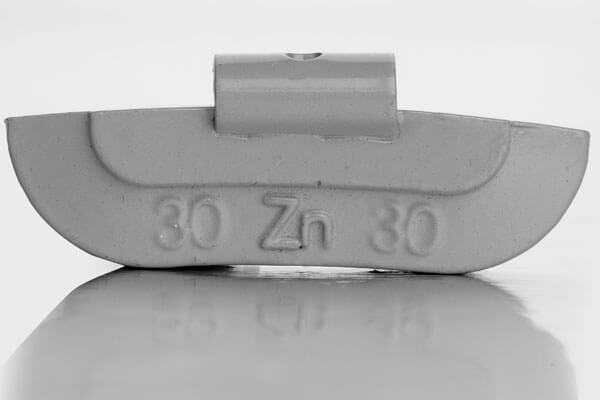
MC type wheel weights are suitable for some aluminum alloy wheels. Please always check the manufacturer’s instructions. Using the wrong weights may damage the wheel surface and even increase health risks. Lead weights are prone to detachment and generate dust. Choosing the right wheel weights can protect your wheels and improve vehicle safety and performance. Please see the table below to understand how wheel weights affect your vehicle:
| Evidence Type | Description |
|---|---|
| Rotational mass affects performance | A one-pound spinning wheel will change speed in the same way as a five- to ten-pound car. |
You can rely on Fortune’s high-quality wheel weights. They help maintain vehicle balance and ensure driving safety.
Key Takeaways
- MC wheel weights can be used with some alloy wheels, but always follow the manufacturer’s guidelines to avoid damage.
- Proper wheel weights help reduce vibration, improving vehicle stability, safety, and handling.
- Adhesive wheel weights are ideal for alloy wheels as they prevent scratches and corrosion.
- Clean the wheel surface before applying adhesive weights to ensure strong adhesion and longer durability.
- Regularly inspect wheel weights for looseness or rust to maintain balance and driving safety.
MC wheel weights overview
What are MC wheel weights
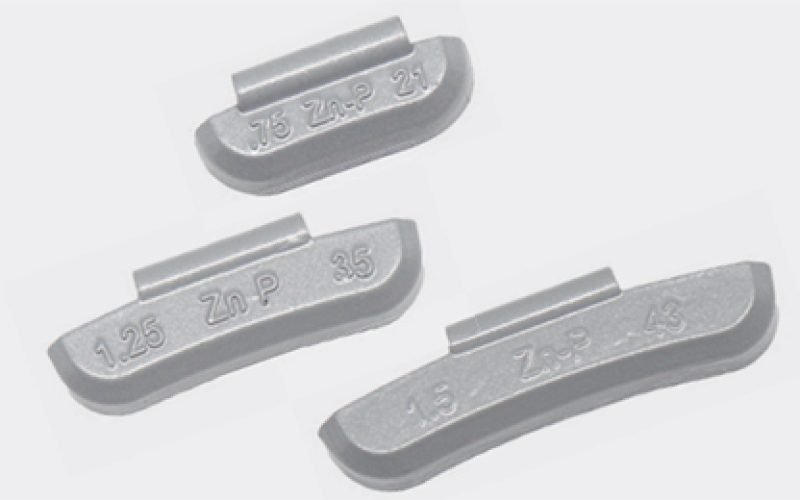
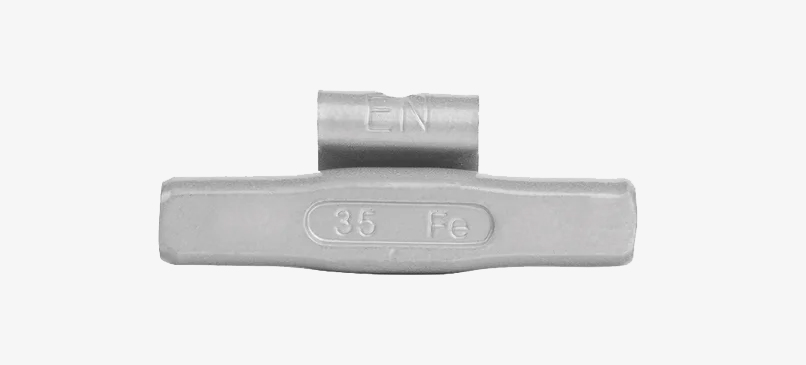
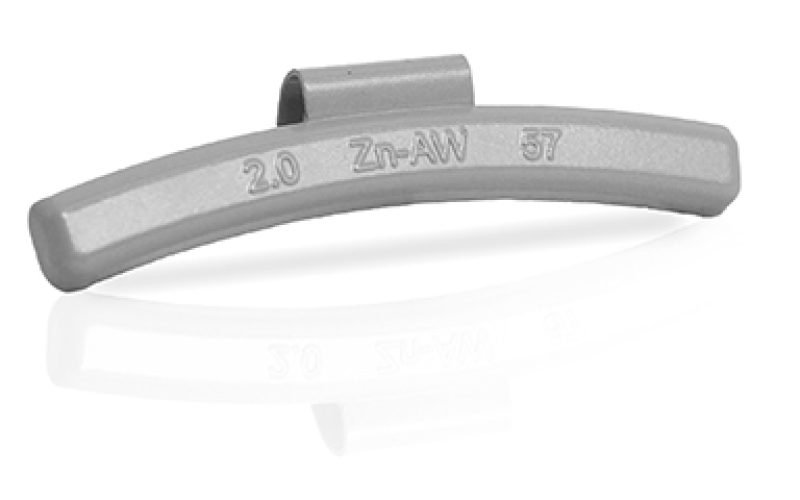
When balancing car wheels, you may see MC-type counterweights. These are special clamp-on counterweights that can be mounted on the wheel rim. “MC” stands for a specific clamp design suitable for many domestically produced aluminum alloy wheels. Using these counterweights helps the tires rotate smoothly, ensuring driving safety.
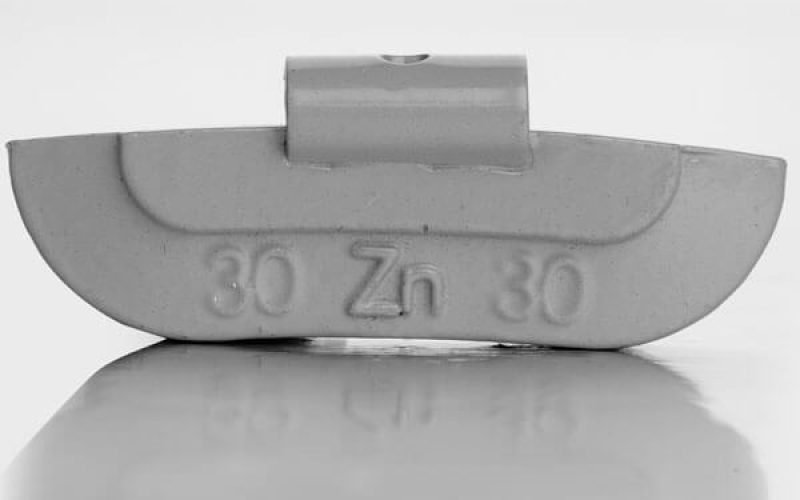
MC wheel weights feature a unique clamping mechanism that fits snugly against the rim edge. This design makes them easy to install and remove. MC wheel weights are available in a variety of materials, such as lead, iron, and zinc. Each material is suitable for different wheel types and offers its own advantages.
The table below compares MC wheel weights with other types of weights:
| Wheel Weight Type | Application | Typical Weight Range |
|---|---|---|
| MC | Domestic alloy wheels | 0.25 oz to 2.0 oz |
Fortune offers a variety of wheel weights, including snap-on and adhesive types. Using durable materials such as lead, zinc, and steel, Fortune helps you find the perfect weight for your vehicle.
Common uses for MC wheel weights
Using MC wheel weights helps maintain wheel balance, allowing your vehicle to drive smoothly and safely. Wheel balance reduces vibration and extends tire life.
Here are some common uses of MC wheel weights:
- Balance: They balance the weight distribution between the tires and wheels, reducing vibration and sway.
- Performance: Balanced wheels result in a smoother ride and lower noise.
- Stability: You get better handling, especially at high speeds.
- Lifespan: Tires and suspension last longer due to even weight distribution.
Tip: Using the right wheel weights can improve vehicle safety and help prevent accidents caused by wheel imbalance.
Fortune has extensive experience in manufacturing wheel weights, meaning you get reliable products. You can trust their products to ensure a safe and comfortable driving experience.
Wheel weights compatibility with aluminum wheels
MC weights and aluminum rims
You may notice that MC wheel weights use a snap-on design. This design works on some alloy wheels, but not all. The snaps are attached to the rim flange, which is the edge of the wheel. Some alloy rims have curved or complex shapes, making it difficult for the snaps to fit snugly. If the snaps don’t fit properly, the weights may fall off or be damaged.
Many alloy wheels have smooth surfaces, and the metal snaps may scratch or leave marks. You should avoid scratching them, as this can lead to corrosion. Some lightweight wheels have thinner rim flanges, which may not be able to securely hold the snap-on weights. Some specially designed aftermarket wheels may not have enough space to install the snaps at all.
Before selecting MC wheel weights, you need to check the wheel shape. If your wheel has a unique design, you may need to look for other options.
Manufacturer guidelines for wheel weights
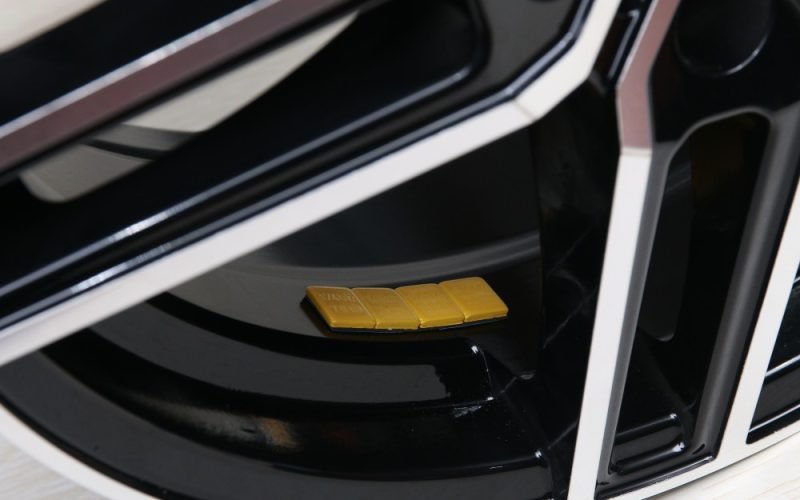
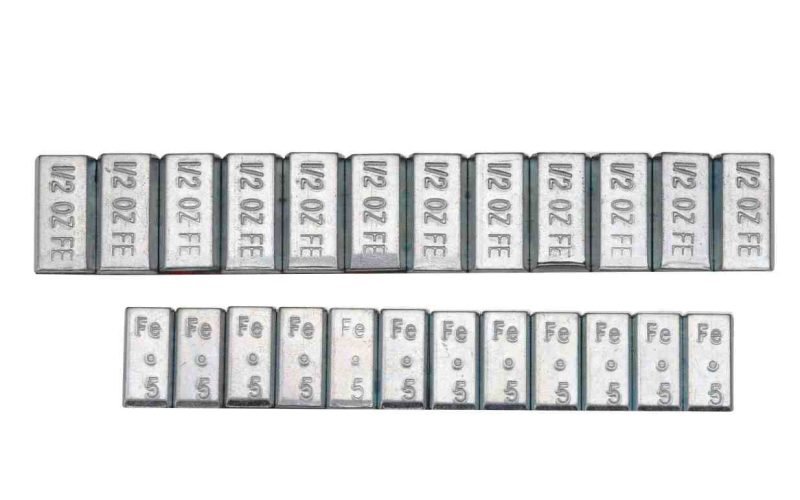
Manufacturers provide clear instructions on using wheel weights. They want you to protect your wheels and ensure driving safety. Most manufacturers recommend using adhesive weights for alloy wheels. Adhesive weights are directly attached to the inside of the rim without clips, so they won’t scratch the wheel surface.
Fortune adhesive weights install securely on alloy wheels. They are suitable for sports cars, trucks, and SUVs. The adhesive weights conform to the shape of the wheel and are firmly secured. This allows you to enjoy a balanced driving experience without worrying about wheel damage.
It is essential to follow the wheel manufacturer’s instructions. Using the wrong weights can damage the wheel surface or cause them to fall off during driving. Adhesive weights help you avoid these problems. They ensure reliable vehicle performance and keep your wheels looking new.
Tip: Always clean the wheel surface before installing adhesive weights. This helps the weights adhere better and extends their lifespan.
You can trust Fortune to provide wheel weights that meet your needs. Their adhesive weights are suitable for most alloy wheels. For your peace of mind, with even better performance.
Wheel weights risks for aluminum wheels
Surface damage and corrosion
Using clip-on counterweights on aluminum alloy wheels can scratch or damage the wheel’s coating. The metal clips press into the surface, leaving marks. These marks can expose the metal beneath the coating. Once the coating is damaged, water and road salts can come into contact with the aluminum. This causes corrosion, making the wheel increasingly brittle over time.
You certainly don’t want this kind of damage to happen. Choosing the right counterweight material can help protect your wheels. Zinc counterweights are advantageous because they are rust-resistant. Their weight and shape are also just right for balancing the wheel well. Steel counterweights can also protect your wheels. Manufacturers apply a special anti-rust coating to steel counterweights, extending their lifespan.
Note: Protecting the surface of your wheels will make your car look better and extend the life of your wheels.
Balancing and fit concerns
You should check that the weights fit your wheel perfectly. Clip-on motorcycle weights don’t always fit all alloy wheels. If the clips are loose, the weights may fall off while riding, causing wheel imbalance. You might feel your vehicle vibrate or experience uneven tire wear.
Here are some points to note regarding balancing and installation:
- Lead weights are not permitted in many places, so steel or zinc weights are commonly used.
- Clip-on weights require special clips to prevent rusting of alloy wheels.
- Adhesive weights must be applied carefully to avoid contact with brake components.
Choosing the wrong weights or improper installation can lead to balance problems and safety hazards. Always check the shape of your wheel and follow the manufacturer’s instructions. This will help avoid problems and ensure a smooth ride.
Wheel weights alternatives and best practices
Adhesive weights for alloy wheels
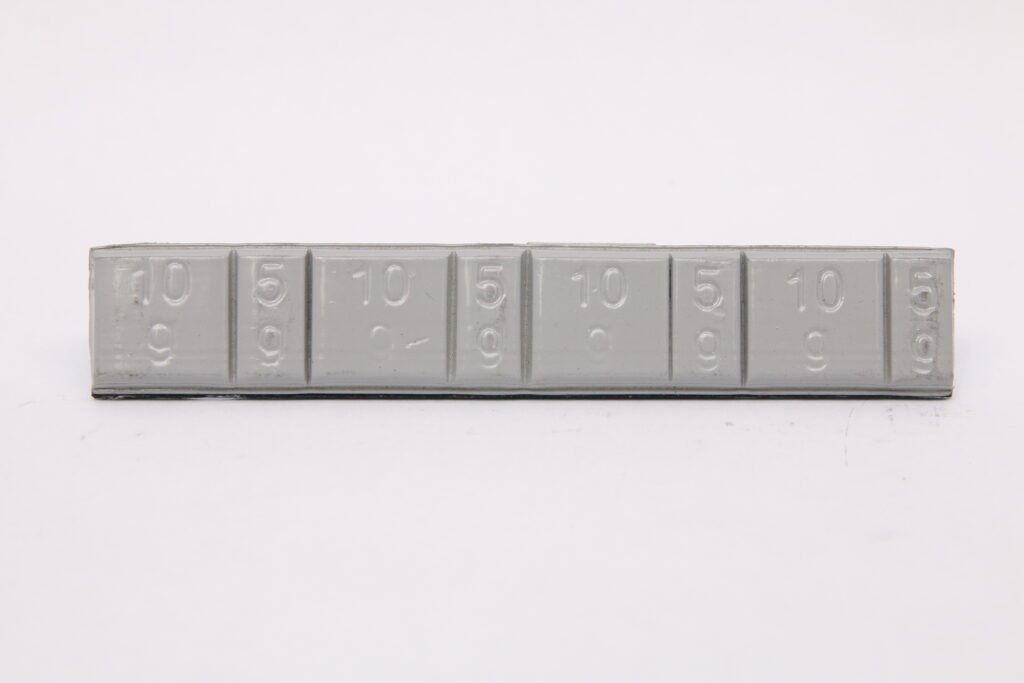
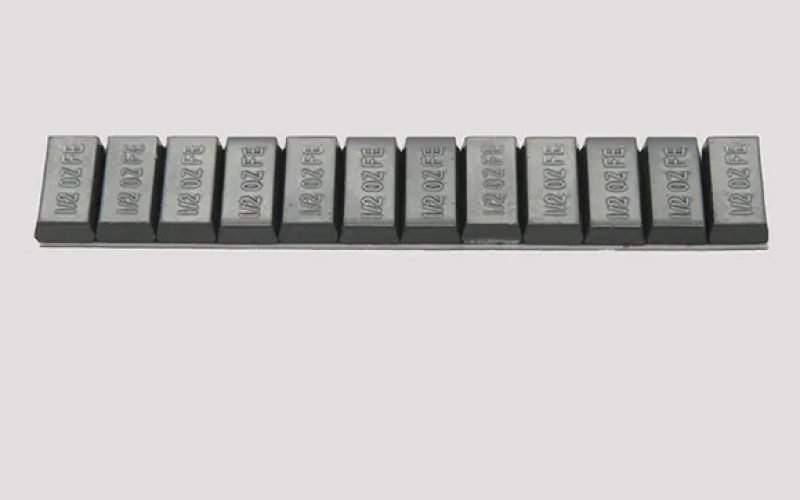
Want to protect your alloy wheels and keep your vehicle balanced? Sticky wheel balancing blocks are a smart choice for alloy wheels. They’re easy to install without special tools. They’re discreet, keeping your wheels looking clean and stylish. They avoid the scratches and marks that can occur with clip-on balancing blocks.
Many tire experts recommend Plasteel wheel balancing blocks as another option. Plasteel balancing blocks feature a steel core encased in a plastic shell. The plastic shell protects against damage during installation and removal. The protective coating and plastic overlay provide excellent corrosion resistance. Plasteel balancing blocks feature an Alumi-Flake™ finish that blends seamlessly with alloy wheels. Tire shops have trusted Plasteel for years.
Here are the main advantages of sticky wheel balancing blocks:
- Quick and easy installation.
- Maintains a beautiful wheel appearance.
- Reduces the risk of scratches or damage to your wheels.
Installation tips for wheel weights
To ensure your wheel weights are securely in place, follow these steps: First, clean the rim area with alcohol or a solvent to remove all dirt, grease, and brake dust. Dry the surface with a microfiber towel. Use a wheel balancer to locate the exact position of the weights.
When installing adhesive weights, choose the correct size for your wheel. Peel off the backing, being careful not to touch the adhesive side. Press the weight outwards from the center of the rim, holding for at least 20 seconds. If it’s cold, press for a longer time. Allow the adhesive to cure for 24 hours before high-speed driving.
Check your adhesive wheel weights every time you rotate your tires or every 5,000 miles (approximately 8,000 kilometers). Inspect the weights for looseness, missing weights, and signs of corrosion. Use high-quality adhesive weights suitable for all seasons.
Avoid common mistakes:
- Be sure to clean and dry the wheel rims.
- Do not use the wrong cleaning agents or leave residue.
- Press the counterweights firmly.
- Do not place the counterweights on dirty surfaces.
- Always check the balance after installation.
- Wait 24 hours after installation before engaging in aggressive driving.
Tip: Fortune viscous wheel weights are reliable and protect your alloy wheels.
You should check if MC wheel weights are suitable for your alloy wheels. Manufacturers generally recommend using adhesive weights to protect wheels from scratches and corrosion. Fortune adhesive wheel weights help maintain wheel balance and keep them looking good. Please follow these wheel balancing best practices:
- Clean the rim area with solvent and dry it.
- Select the appropriate counterweights for your wheel.
- Attach the adhesive counterweights to the inside of the rim.
- Use electronic equipment to check and balance.
If you are unsure, seek help from a professional.
FAQ
What are MC wheel weights made of?
MC wheel counterweights are made of lead, zinc, and steel. Each material has its advantages. Zinc and steel are rust-resistant. Although lead is heavy, it is now used less frequently due to environmental regulations.
Can you reuse MC wheel weights?
Do not reuse MC wheel weights. After removal, the clips may not be securely fastened. For optimal balance and safety, always use new weights.
How do you know if your wheel weights are loose?
You may hear a rattling sound or feel vibrations while driving. Please check if the wheel weights are missing or misaligned. If you find these signs, please go to a tire shop.
Why do manufacturers recommend adhesive weights for aluminum wheels?
Adhesive counterweights protect wheels from scratches and corrosion. They adhere to the inside of the rim without the need for metal clips. This keeps your wheels looking new and balanced.
 Request a quote