 03Mar
03Mar 

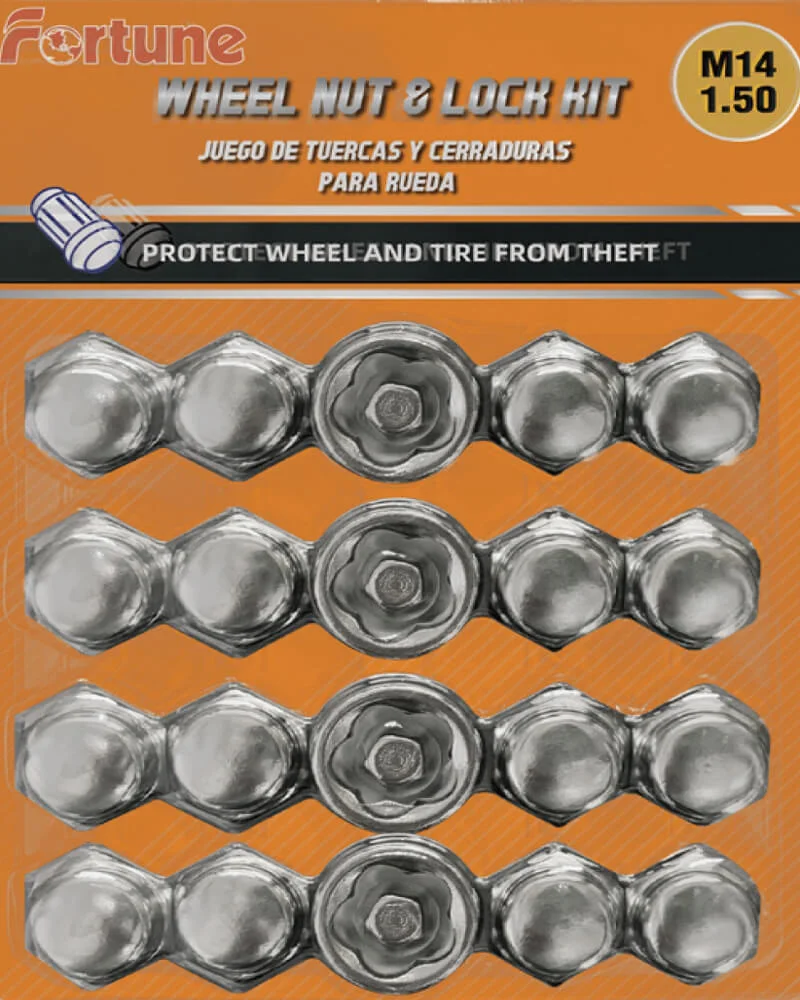
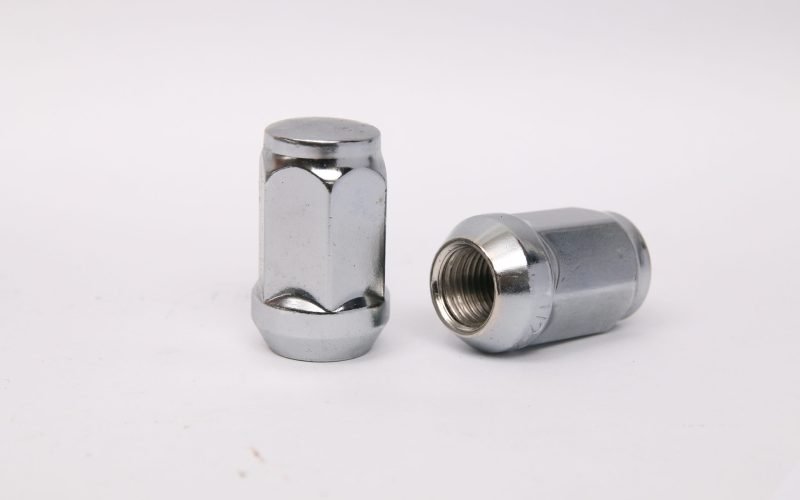
Yes, lug nuts are made for certain rims. Different rims need special lug nuts to fit right and stay safe. If you use the wrong lug nut, it can hurt the rim or be dangerous. In the U.S., wheels come off cars about 40 to 60 times each week. This causes around 20 accidents every week. Almost half of these problems happen because the wheel nuts are loose from not fitting right.
- Fortune Lug Nuts has many seat types, sizes, and materials for different wheels.
- There are many lug nut styles, like conical seat, spherical seat, mag seat, ET-style, and flange-style. Each one is made for a certain rim.
Key Takeaways
- Lug nuts are not all the same. They are made for certain rim types to keep you safe and make sure they fit right. If you use the wrong lug nut, your wheels can get loose. This can cause accidents. You should always use a lug nut that matches your rim’s rules. Look in the owner’s manual to find out about thread size, pitch, and seat type before you buy lug nuts. If you are not sure how to pick or put on lug nuts, ask a professional for help. This will help you avoid mistakes that could be dangerous. The right lug nut makes your car safer, helps it work better, and can even help you use less gas.
Why Lug Nuts Are Rim Specific
Rim Design and Lug Nut Fit
Wheel nuts are not universal; they are rim-specific because each rim design has unique requirements. The shape, size, and installation method of the wheel nut must match the rim for a secure fit. Using the wrong wheel nut may prevent the wheel from staying tight, potentially causing damage or even causing the wheel to come off during driving.
Several factors make a lug nut rim specific:
- Each wheel design needs a certain lug nut seat type for proper contact.
- Thread size and type must match the wheel and vehicle.
- Wheel offset and backspacing affect how the wheel sits on the hub.
- The hub bore size helps center the wheel and keeps it balanced.
The table below shows how different rim designs require different lug nut shapes and fitments:
| Lug Nut Type | Description | Application |
|---|---|---|
| Conical/Tapered | Tapers down to a cone shape, used on most modern wheels. | Common for aftermarket wheels. |
| Flat/Mag | Has a flat surface and usually needs a washer. | Used for specific flat seat wheels. |
| Ball/Radius | Rounded seat, often found on European vehicles. | OEM applications in Europe. |
A lug nut must allow at least 6 to 8 full turns when being installed. This ensures enough thread engagement for safety, especially on larger wheels that put more stress on each lug.
Tip: Always check the wheel’s manual or ask a professional before choosing a lug nut. This helps prevent mistakes and keeps the vehicle safe.
OE vs. Aftermarket Wheels
Original Equipment (OE) wheels and aftermarket wheels often need different lug nuts. OE wheels come from the vehicle manufacturer. They usually use a specific lug nut type that matches the car’s design. Aftermarket wheels are made by other companies. They may need a different lug nut shape or size.
The table below compares the lug nut requirements for OE and aftermarket wheels:
| Lug Nut Type | Description | Common Use |
|---|---|---|
| Conical Seat | Has a 60-degree bevel, fits many aftermarket wheels. | Aftermarket wheels |
| Mag Seat | Flat surface, needs a washer, used for special setups. | Some aftermarket wheels |
| Ball Seat | Rounded shape, often used in European vehicles. | European OE wheels |
Fortune Lug Nuts offers many options for both OE and aftermarket wheels. This helps drivers find the right lug nut for their specific rim. Using the correct lug nut is important for safety and performance. If someone uses the wrong lug nut, they may lose warranty coverage. Insurance companies may also deny claims if the wrong lug nut causes damage.
Legal rules require that a lug nut must:
| Requirement | Description |
|---|---|
| Materials | Made from strong metals like forged aluminum alloy. |
| Hub-centric design | Center on the hub to reduce vibration. |
| Appropriate size | Fit the wheel and not touch suspension parts. |
| Proper fit | Match the bolt pattern for safety. |
| Correct torque | Be tightened to the right value for good alignment. |
A mismatched lug nut can cause safety problems. It can also lead to denied warranty claims and insurance issues. Always use the right lug nut for the rim to keep the vehicle safe and covered.
Lug Nut Seat Types
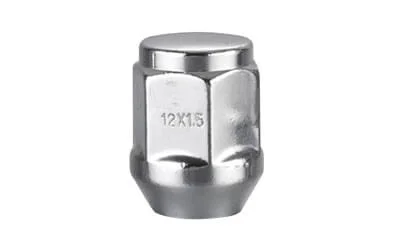
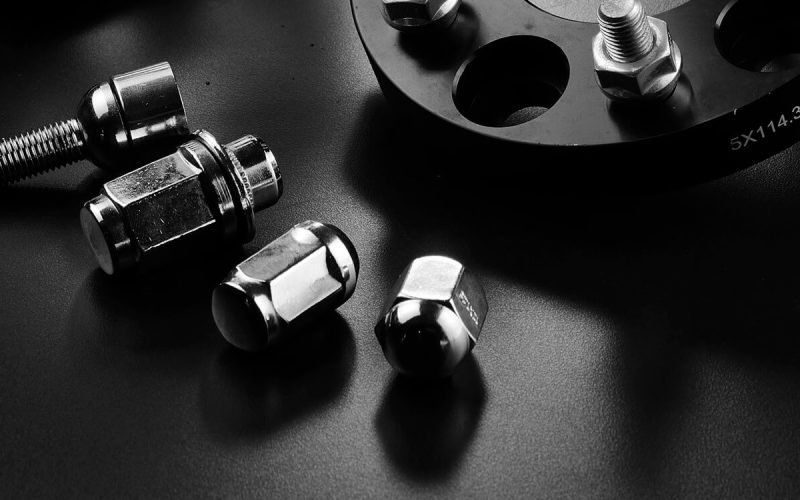
Choosing the right lug nut seat type is important for wheel safety and performance. Each wheel design needs a specific seat shape to hold the lug in place. Fortune Lug Nuts offers a wide range of seat types to fit many wheels.
Here is a table showing the most common lug nut seat types used in the automotive industry:
| Seat Type | Common Angle | Typical Applications | Visual Identifier |
|---|---|---|---|
| Conical (Acorn) | 60° | Most aftermarket wheels | Tapered cone shape |
| Ball (Radius) | R13/R14 | European OE (BMW, Audi, Mercedes) | Rounded ball end |
| Shank/Mag (Flat) | Flat | Older Japanese/US, retro wheels | Cylindrical shank/washer |
Conical (Acorn) Seats
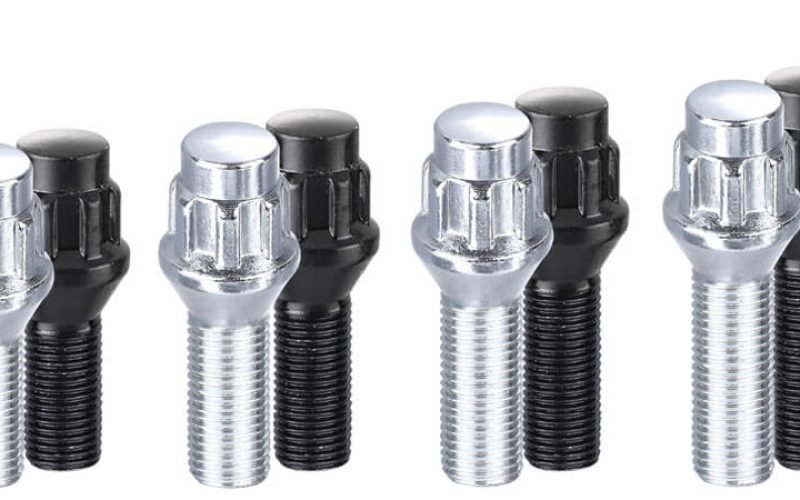
A conical seat lug nut has a cone-shaped base. This shape helps center the lug in the wheel hole. Most aftermarket wheels use a conical seat because it gives a strong grip. The 60-degree angle is the most common for this type. Fortune Lug Nuts provides many conical options for cars, trucks, and trailers. Drivers often choose a conical lug for easy installation and reliable fit. The conical seat design spreads the force evenly, which protects the wheel.
Tip: Always check if your wheel needs a conical seat before installing a new lug nut.
Spherical (Ball) Seats
The bottom of a spherical nut is rounded, fitting perfectly into the spherical bore on the wheel rim. This type of nut is frequently used in European models such as BMW, Audi, and Mercedes-Benz. The spherical nut seat allows the nut to be securely fixed to the wheel rim, preventing wobble. Fortune Lug Nuts supplies spherical nuts for these models. The spherical design helps ensure a firm grip on the wheel, especially at high speeds.
Flat and Mag Seats
Both flat-bottomed and magnetic nut nuts have a flat bottom. Magnetic nut nuts typically come with a washer and a long shank. These nuts are suitable for vintage alloy wheels and retro-style wheels, such as those from Cragar or Center Line brands. The flat-bottomed design allows the nut to press more firmly against the wheel. Fortune Lug Nuts offers flat-bottomed and magnetic nut nuts for classic models and special applications. Using the correct flat-bottomed or magnetic nut nuts can prevent wheel misalignment and avoid damage.
Note: The seat type must always match the wheel design. Using the wrong seat can cause the lug to loosen or the wheel to get damaged.
Choosing the Right Lug Nut Size
Measuring Thread Diameter and Pitch
Selecting the correct lug nut size starts with measuring the thread diameter and pitch. These measurements help match the lug nut to the wheel stud. Most passenger vehicles use standard sizes. The table below shows common thread diameters and pitches:
| Diameter | Thread Pitch |
|---|---|
| 12mm | 1.5mm |
| 14mm | 1.5mm |
The wheel nut thread checker simplifies this process. This tool features an external thread post for checking wheel nuts and an internal thread hole for checking wheel bolts. It includes eight common thread sizes, allowing drivers to quickly find the right match. Portable and easy to use, this tool is a wise choice for anyone working with wheels.
Choosing the wrong thread pitch can cause problems. Misaligned threads can damage the threads on wheel nuts or bolts. Damaged threads can stretch or wear, weakening the connection. These problems are exacerbated if an impact wrench is not properly aligned.
Fortune wheel nuts are available in a variety of sizes for different vehicles. Drivers can find the right wheel nut size for cars, trucks, trailers, and more.
Importance of Proper Engagement
Proper thread engagement means the wheel nut is fully screwed into the wheel bolt. This contact ensures a secure wheel. Industry standards state that adequate thread engagement is crucial for safety. If standard wheel nuts lack sufficient grip, extended thread wheel nuts can be used. These nuts provide additional threads, resulting in better grip.
When installing wheel nuts, a good practice is to tighten them at least six to eight turns. This ensures the nut remains tight under load. Extended thread wheel nuts are helpful when the wheel design requires greater engagement. Drivers should always use a torque wrench to check the torque of the wheel nuts. Proper wheel nut torque prevents loosening and ensures wheel safety.
Tip: Always follow the vehicle’s manual for lug nut torque values. This step protects both the wheel and the lug.
Wheel Lug Nut Compatibility Steps
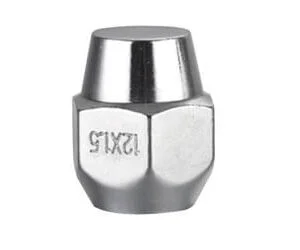
Identifying Your Wheel’s Requirements
Choosing the right wheel lug nut starts with understanding the needs of the wheel and vehicle. Drivers can follow these steps to ensure a proper fit:
- Check the owner’s manual. The manual lists important details like thread size, pitch, and seat type for each lug nut.
- Use a lug nut gauge or caliper. These tools help measure the size and thread pitch of the lug.
- Try an online lookup tool. Many tire and wheel websites let users enter vehicle details to find the correct lug nut.
- Ask a professional. A certified mechanic or wheel expert can confirm the right choice for any wheel lug nut.
Tip: Always verify the seat type and thread size before buying new lugs. This step prevents mistakes and keeps the wheels secure.
Avoiding Common Mistakes
Many drivers make errors when selecting lugs for new wheels. Some of the most common mistakes include:
- Mixing conical and ball seat designs. This can create unsafe mounting conditions.
- Failing to match the lug seat type to the wheel. This may cause the wheel to loosen or detach.
- Forgetting about TPMS and hardware compatibility. This can lead to installation problems.
Using the wrong lug nut size or type can result in improper torque. Wheels may loosen or even detach while driving. Such mistakes can cause dangerous situations on the road.
When to Seek Professional Help
Sometimes, choosing or installing a wheel lug nut can be confusing. Drivers should seek help from a professional in these cases:
- They feel unsure about the selection or installation process.
- They have just bought their first set of wheels.
- The owner’s manual does not provide clear instructions.
A professional can check the fitment and torque specifications. This ensures the lugs hold the wheel safely. Always refer to the manual for specific instructions and torque values.
Note: Using the correct wheel lug nut protects the vehicle and everyone on the road.
Using rim-specific lug nuts keeps cars safe and wheels tight. The correct lug nut helps the wheel stay straight. It makes sure the torque is even. This helps the bearings last longer. Good torque also saves gas and stops the wheel parts from wearing out.
- Always check if the lug nut fits before you put it on.
- Brands like Fortune Lug Nuts, Gorilla Automotive, and DPAccessories are trusted and work well.
To check if the lug nut fits, drivers should:
- Make sure the lug nut fits the wheel and hub.
- Find the right seat type for the wheel.
- Try one lug nut on each wheel to test.
- Look to see if the lug nut touches the wheel the right way.
If you are not sure, ask a professional for help.
FAQ
What happens if someone uses the wrong lug nuts on their wheels?
Using the wrong lug nuts can damage the wheels. The wheels may not stay secure. This can lead to safety problems. Always match the lug nuts to the wheels for the best fit.
How can a person tell which lug nut seat type their wheels need?
Check the shape of the hole on the wheels. Conical seats have a cone shape. Ball seats look round. Flat seats are straight. The owner’s manual or a wheel expert can help identify the correct seat for the wheels.
Do all wheels use the same size lug nuts?
No, not all wheels use the same size lug nuts. Different wheels need different thread sizes and pitches. Always check the wheels and the vehicle’s manual before choosing new lug nuts.
Can aftermarket wheels require different lug nuts than factory wheels?
Yes, aftermarket wheels often need different lug nuts than factory wheels. The seat type or size may change. Always check the wheels’ requirements before installing new lug nuts.
Why is it important to check lug nut torque after installing new wheels?
Proper torque keeps the wheels secure. If the lug nuts are too loose or too tight, the wheels can become unsafe. Always use a torque wrench and follow the recommended values for the wheels.
 Request a quote