What is the difference between rubber and metal tire valves?
 20Mar
20Mar 

When you take your off-road vehicle onto rough terrain, airing down your tires can make a huge difference. Air down valves help you quickly and accurately lower tire pressure, giving you better traction and a smoother ride. You notice how your tires grip loose dirt or sand more effectively. Softer tires absorb bumps, so you feel more comfortable. Lower pressure also lets your vehicle float better on sand or snow, and flexible tires reduce the risk of punctures.
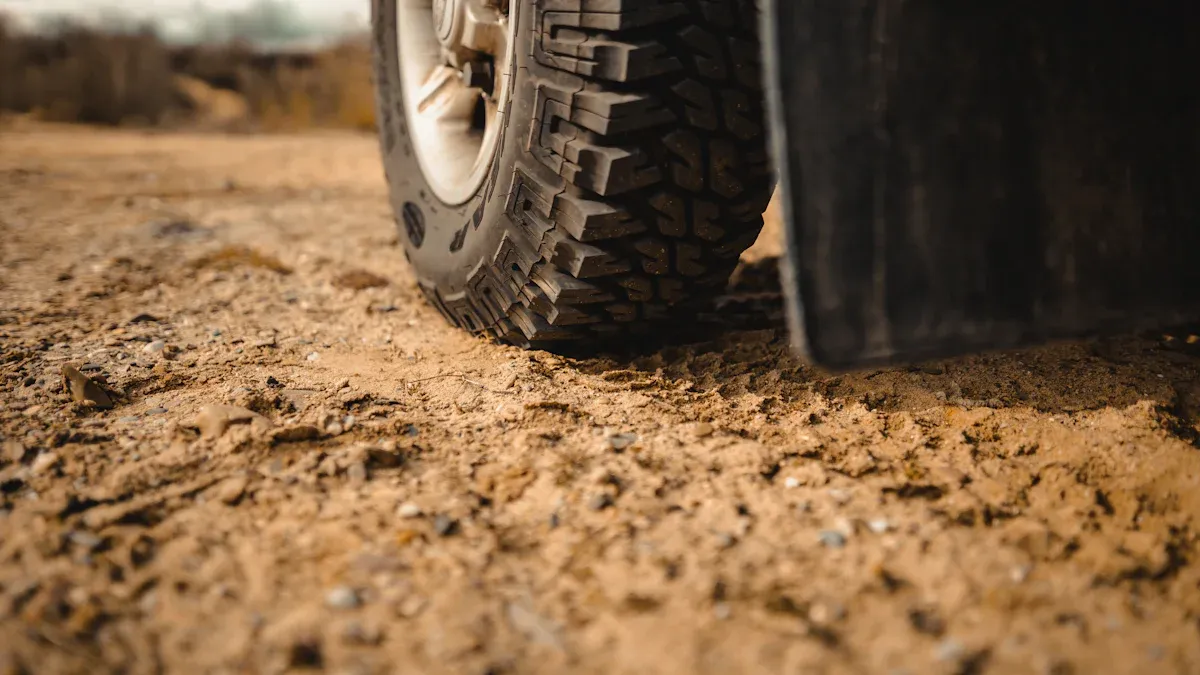
When you drive off road, reducing tire pressure gives your tires a larger contact patch. This means more of your tire touches the ground. You get more traction on sand, rocks, mud, and snow. With more traction, your vehicle moves forward with less slipping or spinning. The table below shows how different terrains respond to lower tire pressure:
| Terrain Type | Recommended Tire Pressure | Impact on Traction |
|---|---|---|
| Sand | 12–16 PSI | 28% less rolling resistance at 14 PSI compared to 30 PSI |
| Rocks | 12–20 PSI | 35% improved surface adherence at 14–18 PSI compared to street pressures |
| Mud | 15–20 PSI | 23% fewer bog-down incidents at 17–19 PSI compared to lower than 15 PSI |
| Snow | 16–22 PSI | 42% improved forward momentum at 16 PSI compared to stock PSI settings |
You can see that optimal tire pressure changes based on the terrain. Lowering your tire pressure helps you improve traction and grip, so you can handle tough trails with confidence.

You feel a smoother ride when you lower your tire pressure. Softer tires absorb bumps and vibrations from rocks, roots, and ruts. This makes your journey more comfortable and protects your vehicle from harsh impacts. A wider tire footprint also means greater floatation, so you do not sink as much in sand or mud. You experience less wheelspin because more tread stays in contact with the ground. These low pressure benefits help you enjoy your adventure without feeling every bump.
Tip: Lower tire pressure not only improves comfort but also helps you save fuel by reducing unnecessary tire spinning.
Reducing tire pressure gives your tires the flexibility to wrap around sharp rocks or obstacles. This flexibility leads to a reduced risk of tire damage, such as punctures or tears. When you drive with a larger contact patch, your tires spread out the force from rough terrain. You protect your tires and extend their life. Remember to reinflate your tires before returning to paved roads to avoid extra wear. By using air down valves, you make sure you get more traction and keep your tires safe on every off road trip.
When you drive off-road, you need to keep your vehicle under control. Lowering your tire pressure helps you do this. On rocky or sandy terrain, your tires can grip the ground better when they are softer. The tires spread out and create a bigger contact patch. This means more of your tire touches the ground at once. You get more traction and your vehicle stays stable, even when the trail gets rough.
You notice the difference right away. On rocks, your tires mold to the uneven surfaces. This helps you avoid slipping or bouncing. On sand, your tires float instead of digging in. You do not get stuck as easily. Your steering feels more precise. You can make quick adjustments and keep your vehicle pointed in the right direction.
‘We’re talking about the ability to decrease your vehicle’s ground pressure. The bigger the contact patch, the less your vehicle ‘weighs’ on the terrain—so you stay on top of the terrain better,’ Laursen says.
This means you do not sink into soft ground. You stay on top of the sand or mud. Your vehicle moves forward smoothly. You avoid sudden jolts or loss of control.
Here are some ways lower tire pressure improves your safety and control:
You protect yourself and your passengers when you use the right tire pressure. Air down valves help you set the perfect pressure every time. You get the confidence to tackle any trail, knowing your vehicle will respond the way you want.

When you use air down valves, you make airing down your tires much easier. These valves use a plunger with a seal that lets air flow out once a certain pressure is reached. You can adjust the spring tension to set the exact pressure you want. This means you get precise control every time you need to start reducing tire pressure. Many air down valves work automatically. You attach them to your tire, and they begin deflating without you having to watch them. You can talk with friends or enjoy a drink while your tires reach the perfect pressure. Some tire deflator models let you screw them onto the valve stem for quick setup. You can use several at once to save even more time.
| Mechanism | Description |
|---|---|
| Plunger with seal | Allows air to flow past the seal and out of the tire when a certain psi is reached. |
| Adjustable spring tension | Enables multiple settings in one deflator for precise control. |
| Automatic operation | Eliminates the need for constant manual intervention, saving time and effort. |
Tip: Automatic tire deflators can air down all four tires at once, so you spend less time preparing for your off-road adventure.
You find several types of air down valves designed for different needs. Air release valves have small openings and a weighted float, which helps them exhaust air pockets automatically. Air/vacuum valves feature large openings for rapid air release and prevent vacuum buildup during draining. Combination air valves give you the benefits of both types, handling large air volumes with ease.
| Type of Valve | Features |
|---|---|
| Air Release Valves | Small orifices, weighted float, automatically exhausts air pockets, limited capacity for air flow. |
| Air/Vacuum Valves | Large openings for rapid air release, prevents vacuum during draining, operates normally open. |
| Combination Air Valves | Combines functions of both air release and air/vacuum valves, can handle large air volumes. |
When you choose a tire deflator, look for quick deflation capabilities. You want a model that lets you monitor tire pressure with a gauge. Some advanced valves use beadlock technology, which keeps your tire secure at low pressures.
You may wonder how air down valves compare to manual methods. Air down valves work much faster and give you more accurate results. Manual deflation takes longer and often leads to uneven pressure across your tires. With air down valves, you can air down all tires quickly and check the pressure with built-in gauges. Some tire deflator models only work on one tire at a time, but most let you handle multiple tires for better efficiency.
| Method | Time Required | Accuracy of Pressure Adjustment |
|---|---|---|
| Air Down Valves | Faster | More Accurate |
| Manual Deflation | Time-Consuming | Less Precise |
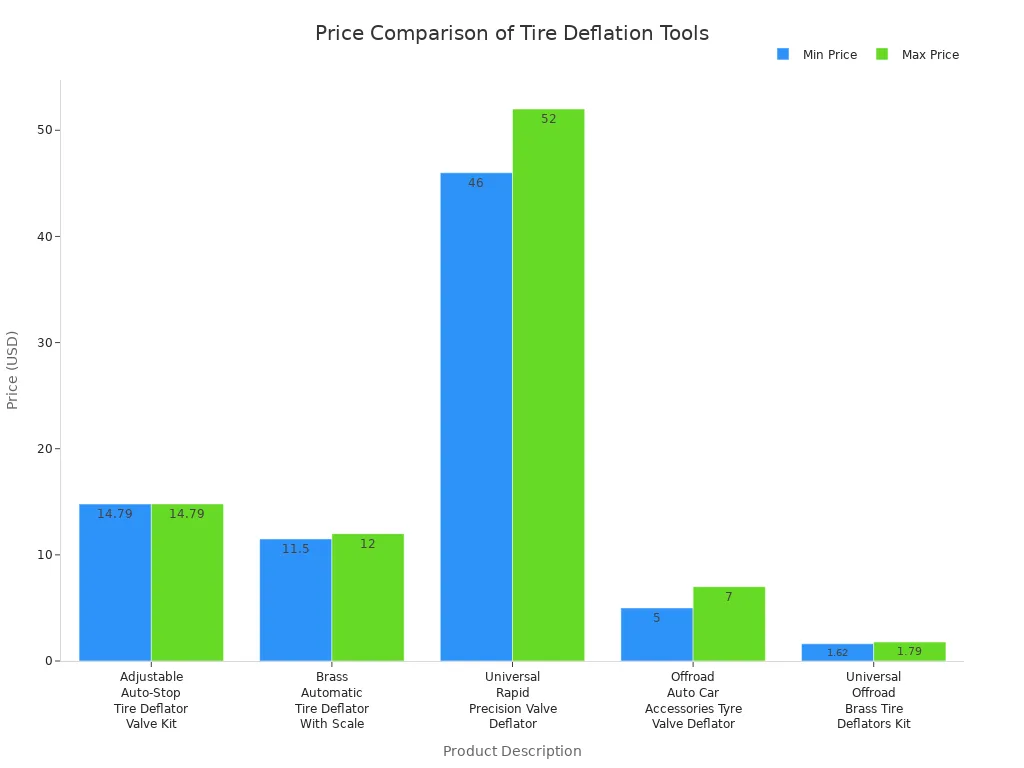
You see that air down valves offer better performance and save you time when airing down your tires. You get consistent results and spend less effort preparing for your off-road journey.
You want to spend more time driving and less time preparing your vehicle. Air down valves help you do this. When you use air down valves, you can set your tire pressure quickly. You do not need to guess or check your tires over and over. The valve lets you choose the exact pressure you need for the terrain. You attach the valve, and it starts airing down your tires right away. You see the results in minutes.
Many off-road enthusiasts notice that airing down with these valves saves time. You do not have to kneel by each tire for long. You avoid uneven pressure between tires. You get the same pressure every time. This means you can start your adventure faster and enjoy better off-road performance.
Tip: Always check your tire pressure with a reliable gauge after using air down valves. This helps you confirm that each tire matches your target PSI.
You want your equipment to work every time you need it. Air down valves give you consistent results. You set the pressure once, and the valve repeats the same process for each tire. You do not have to worry about one tire being softer than the others. This consistency helps your vehicle handle better on rough terrain.
To keep your air down valves reliable, you should follow some simple maintenance steps:
When you follow these steps, you keep your air down valves working smoothly. You avoid surprises on the trail. You get the same great results every time you air down your tires.
| Maintenance Step | Purpose |
|---|---|
| Routine Inspections | Find issues before they cause problems |
| Valve Seat Condition | Prevent leaks and ensure proper function |
| Stem and Packing Inspection | Stop corrosion and keep parts moving |
| Actuator Check | Confirm smooth operation |
| Cleaning | Remove dirt for better performance |
| Lubrication | Reduce wear and extend valve life |
You want to trust your gear when you go off-road. Air down valves help you avoid mistakes that can happen with manual deflation. When you air down by hand, you might let out too much air or not enough. You might forget to check one tire. These errors can make your vehicle hard to control.
Air down valves take the guesswork out of airing down. You set the pressure, and the valve does the rest. You do not have to watch the gauge every second. You do not risk uneven tire pressure. This helps you stay safe and keeps your vehicle running well.
Note: Using air down valves means you spend less time worrying about tire pressure and more time enjoying your off-road adventure.
You get peace of mind knowing your tires are ready for any terrain. You protect your vehicle and improve your off-road performance with every trip.
You can make off-road trips safer and more enjoyable by airing down your tires. Follow these steps to use air down valves for reducing tire pressure:
Tip: Always monitor your tire pressure while on the trail to keep it at the right level.
You want your air down valves to work well every time. Here are some tips to help you get the best results:
Note: If you are unsure about repairs, ask a professional for help.
Airing down your tires with air down valves saves you a lot of time. You can deflate all four tires at once, which is much faster than letting air out by hand. Manual methods often lead to uneven tire pressures and take longer to fix. Automatic air down valves stop at your chosen psi, so you do not need to check each tire over and over. You spend less time preparing and more time enjoying your adventure.
| Method | Time Needed | Pressure Accuracy | Effort Level |
|---|---|---|---|
| Air Down Valves | Few minutes | High | Low |
| Manual Deflation | 10–20 mins | Medium | High |
🚗 Quick setup and automatic stopping make air down valves a smart choice for every off-road trip.
You want to make sure your air down valves fit your tires and rims. Most air down valves work with standard valve stems found on off-road vehicles, trucks, and SUVs. Before you buy, check the size and type of your valve stems. Some specialty rims or beadlock wheels may need specific valve types. Always read the product details to confirm compatibility. If you use aftermarket wheels, look for air down valves designed for those models. Keeping your valve stems clean and free from dirt helps prevent leaks and blockages.
Tip: Regularly inspect your valve stems for damage or wear. This simple step helps you avoid air leaks and keeps your system working well.
Using air down valves is safe when you follow best practices. However, you should know about some risks and how to prevent them. The table below shows common risks and ways to stay safe:
| Risk Type | Description | Mitigation Strategy |
|---|---|---|
| Catastrophic Hose Whipping | A pressurized air hose that fails can whip around, causing serious injury. | Install safety check valves and whip checks on hose connections. |
| Component and Receiver Tank Failure | A failure of an air receiver tank can have explosive consequences. | Use only ASME-certified pressure vessels and ensure regular inspections and functional pressure relief valves. |
| High-Pressure Hazards | Risks associated with high-pressure systems can lead to severe injuries. | Never point air nozzles at anyone and use OSHA-compliant air nozzles for cleaning tasks. |
| Noise Hazards | Excessive noise can lead to hearing damage. | Implement noise reduction measures and provide hearing protection. |
| Thermal Hazards | Hot surfaces can cause burns. | Regularly inspect and maintain equipment to prevent overheating. |
You may also notice issues like air leaks, blockages from dirt, or incorrect pressure readings. Listen for hissing sounds and check for drops in air pressure. Clean your valves often and use a reliable gauge to avoid these problems.
You need the right tools for safe and easy tire deflation. A quality air down valve, a pressure gauge, and a portable air compressor are must-haves for every off-road trip. Trusted brands make a big difference in performance and reliability. Many off-roaders choose:
When you select a brand, look for strong warranties. For example, Max-Air Technology provides a 3-year warranty for defects, while ValvTechnologies offers a 4-year warranty with a performance commitment. These warranties show the manufacturer’s confidence in their products and give you peace of mind on every adventure.
You want the best performance and safety when you drive off road. Air down valves help you get better traction, smoother rides, and more control. These valves work faster and more accurately than manual methods. When you choose quality air down valves from trusted brands like Fortune, you protect your tires and enjoy every adventure with confidence.
Air down valves let you set tire pressure quickly and accurately. You get better traction, smoother rides, and safer control on sand, rocks, or mud. You spend less time preparing and more time enjoying your adventure.
Most air down valves fit standard valve stems found on trucks, SUVs, and off-road vehicles. You should check your valve stem size before buying. Specialty wheels may need specific valve types.
You can air down all four tires in just a few minutes using automatic air down valves. Manual methods often take 10–20 minutes and may result in uneven pressure.
Tip: Use automatic air down valves to save time and get consistent results.
You need quality air down valves, a reliable pressure gauge, and a portable air compressor. Trusted brands like Fortune, MORRFlate, and Up Down Air offer durable products with strong warranties.
| Equipment | Purpose |
|---|---|
| Air Down Valve | Fast, accurate deflation |
| Pressure Gauge | Monitor tire pressure |
| Air Compressor | Reinflate tires |
 Request a quote