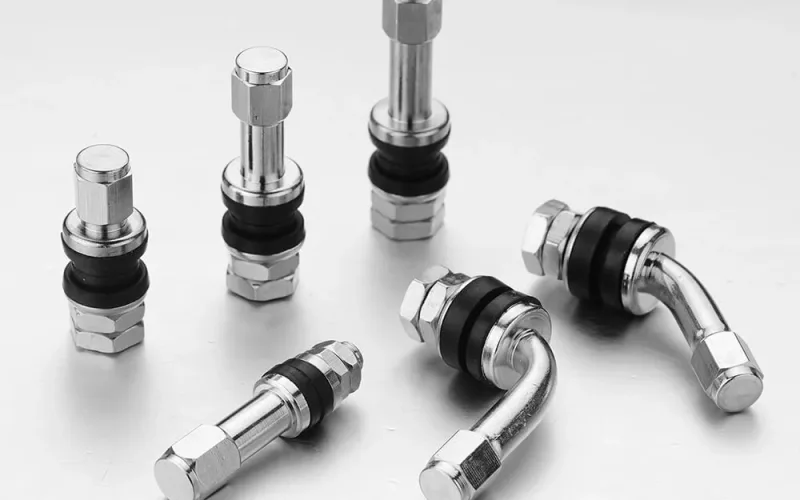
What is the difference between rubber and metal tire valves?
 20Mar
20Mar 


The most important detail for your wheels is matching the correct lug nut to the wheel’s mounting hole. The popular acorn style lug nuts feature a distinctive 60° conical seat. The market for this conical seat lug nut was valued at USD 1.2 billion in 2024, showing its widespread use. Other lug nut seat types, such as ball or shank nuts, are designed for different wheel styles.
Safety Tip: Never use the wrong type of
seat. A mismatch can lead to loose wheels, component damage, or a dangerous failure while driving.

You can identify acorn style lug nuts by their unique tapered bottom. This design is simple, effective, and widely used across the automotive world. Understanding its key features helps you choose the right hardware for your wheels.
The most important feature is the 60° conical seat. This tapered end fits perfectly into the matching conical holes on a wheel. This specific angle is the industry standard for this type of nut. You must also match the thread size to your vehicle’s wheel studs. Common sizes include:
Manufacturers produce these nuts from various materials. Each material offers different benefits for performance and appearance.
| Material | Characteristics |
|---|---|
| Titanium | 50% lighter than steel, aerospace-grade, and has high tensile strength. |
| Steel | A common and durable alternative, though heavier than titanium. |
| Chrome | A popular finish that provides a reflective shine and resists corrosion. |
The conical shape provides a major safety advantage. As you tighten the lug nut, the tapered seat guides the wheel into the correct position on the hub. This self-centering action ensures the wheel is perfectly aligned, which helps reduce vibrations and improve overall balance. This design creates a strong, even clamping force that holds your wheel securely against the hub, preventing it from loosening over time.
If you are buying aftermarket wheels, you will almost certainly need acorn style lug nuts. Most aftermarket wheel companies design their products with a conical seat because it is a reliable and universal system. This standardization makes it easy for you to find compatible lug nuts for your new wheels. Always confirm the wheel’s seat design, but you can expect most non-OEM wheels to require this popular nut style.
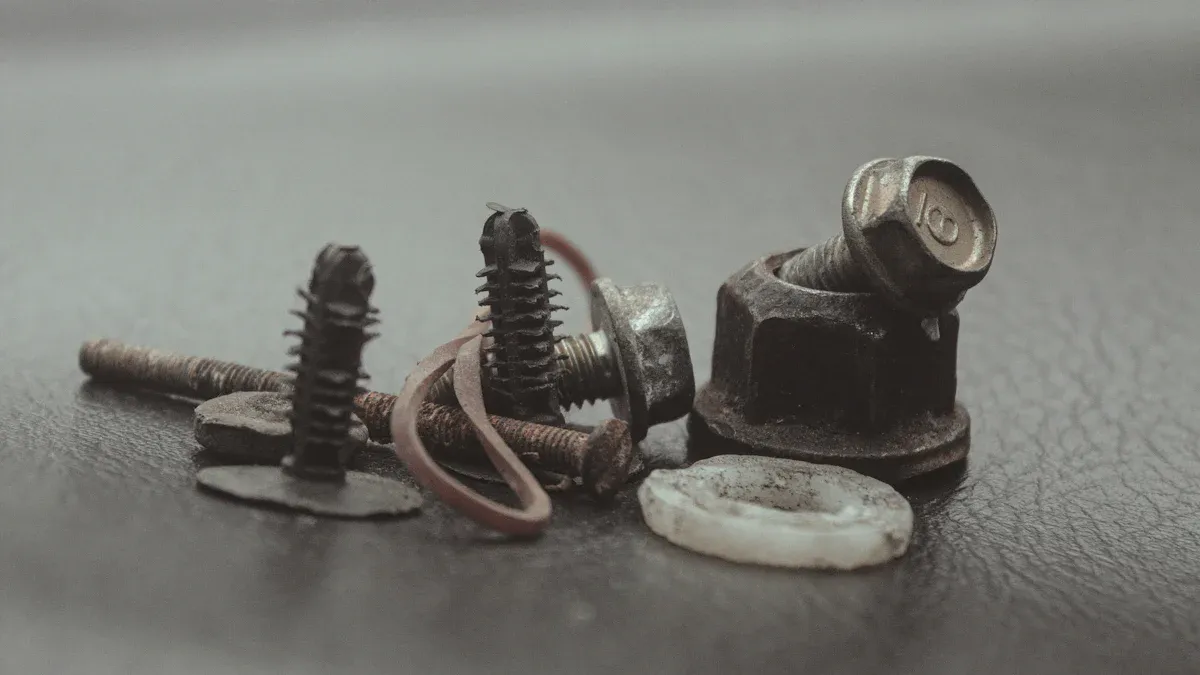
While acorn style lug nuts are extremely common, they are not the only option available. You will encounter several other types, each designed for a specific wheel application. Understanding the differences helps you avoid dangerous mismatches and keep your wheels secure.
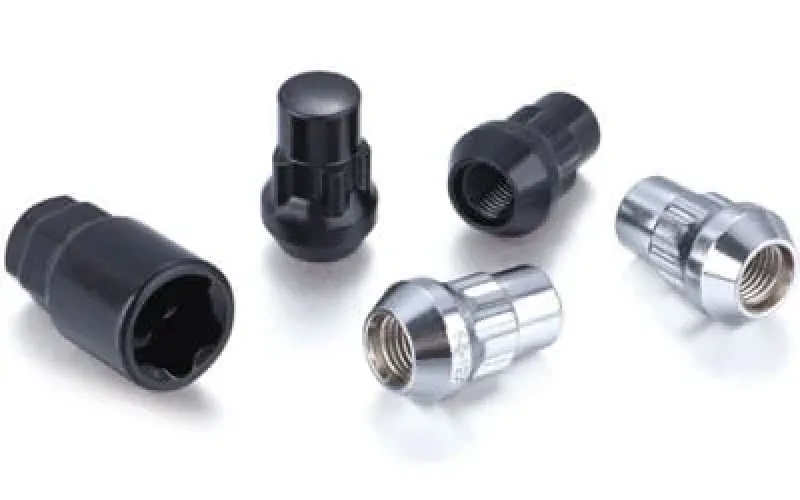
You might see spline lug nuts and think they are a completely different category. However, “spline drive” refers to the head of the nut, not its seat. These nuts require a special key or socket with matching grooves (splines) to install or remove them. This design offers several key advantages:
Many spline lug nuts actually use a conical seat, just like an acorn nut. For example, wheel brands like Velgen Wheels recommend them for their narrow lug holes, and FN Wheels offers spline drive nuts with a conical seat for specific Toyota models like the Tundra and Sequoia. The key takeaway is that spline lug nuts are defined by their drive style, but you must still match their seat to your wheel.
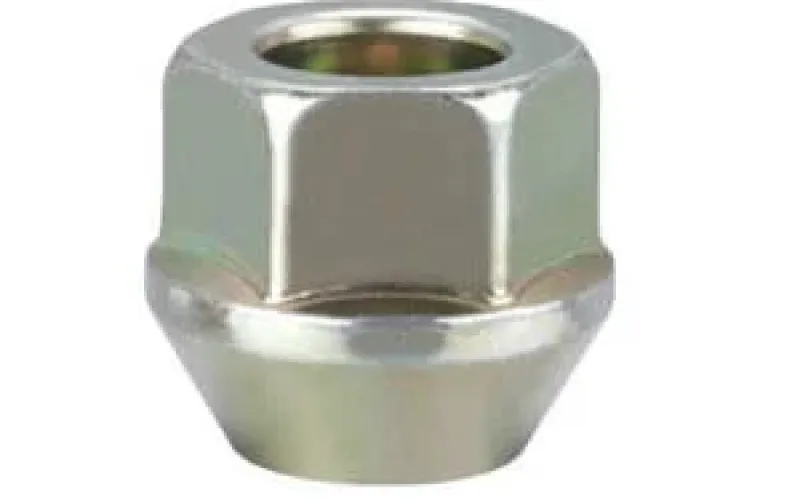
Shank style nuts, also called mag style nuts, look very different from acorn nuts. They have a long, smooth shaft (the “shank”) that slides into the wheel’s lug hole and a flat base that sits flush against the wheel surface.
Note: These nuts almost always use a flat washer. This washer is a critical part of the system.
The flat washer serves an important purpose. It distributes the clamping force over a much larger area than a tapered seat can. This design allows you to apply greater torque more easily because it reduces friction. It also prevents the lug nut from digging into the wheel material, which is especially important for softer alloy wheels. You will find shank nuts on certain factory wheels, such as some stock Toyota wheels that use part number 69395.
Ball seat lug nuts have a rounded or spherical seat. This design functions similarly to a conical seat by helping to center the wheel as you tighten it. However, the two are not interchangeable. A ball seat lug nut will not sit correctly in a conical wheel hole, and vice versa. This mismatch creates dangerous pressure points and will prevent the wheel from being properly secured.
You will most commonly find ball seat lug nuts on original equipment manufacturer (OEM) wheels. They are a popular choice for many European automakers as well as Honda. If you are working with factory wheels from these brands, always double-check if you need a ball seat.
Knowing which lug nut to use is simple once you understand where each type belongs. The design of your wheel’s lug hole dictates the correct hardware. This guide will help you identify the right application for your vehicle.
You will use acorn style lug nuts most often with aftermarket wheels. The vast majority of companies that make custom wheels design them with a 60-degree conical seat. They do this because the tapered design is a reliable, universal system that helps center the wheel perfectly. This makes finding the right hardware for your new wheels much easier.
You should use conical nuts in these situations:
You will find shank nuts on specific factory alloy wheels that have a flat mounting surface inside the lug hole. These nuts are not interchangeable with any other type. The shank’s smooth shaft provides a snug fit, while the flat washer distributes clamping force without damaging the wheel.
A key visual clue is the wheel’s lug hole. If you see a completely flat surface where the lug nut makes contact, you need a shank nut with a washer.
Toyota and Lexus are well-known for using this system on many of their OEM alloy wheels. If you own one of the following vehicles with its original wheels, you likely need shank nuts:
These nuts have very specific dimensions. You must match both the shank length and width to your wheel for a safe fit.
| Seat Style | Shank Length | Shank Width |
|---|---|---|
| Mag Seat | 0.47 Inch | 0.72 Inch |
Ball seat lug nuts are almost exclusively used by automakers for their original equipment (OE) wheels. You will rarely find an aftermarket wheel that requires a ball seat. The rounded seat provides excellent centering and clamping force, but it must match a wheel with a corresponding rounded lug hole.
You will commonly find ball seat nuts on vehicles from these manufacturers:
14x1.5 wheel studs.Never try to use a ball seat nut on a conical wheel, or vice versa. The mismatch will create unsafe pressure points and prevent the wheel from being secured properly.
Choosing the correct lug nuts is a simple process of matching them to your wheels. You can avoid dangerous mistakes by following these three easy steps. This ensures your wheels are secure and your vehicle is safe to drive.
First, you need to safely remove one lug nut for inspection. You should always loosen the nuts while the car is on the ground.
The right tools make this job easier and safer. A 1/2-inch impact wrench is great for quick removal, but you should never use it for final tightening.
Once you have a lug nut in your hand, look at the bottom part that contacts the wheel. This is the seat, and its shape is the most important detail.
The shape you see tells you exactly what kind of lug nut you have.
Next, look at the lug hole on your wheel where the nut was. The shape of the hole must match the lug nut’s seat. A conical hole will have a tapered surface. A ball seat hole will be rounded. A shank-style wheel will have a flat surface around the hole.
Warning: Using the wrong lug nut can damage your wheel. Look for signs of “egging out,” where the lug holes become oval-shaped. This indicates a poor fit and creates a serious safety risk.
A perfect match ensures the clamping force is distributed correctly, keeping your wheel securely attached.
You must always follow one critical rule: match the lug nut seat to the wheel seat. The main types are not interchangeable.
Always inspect your parts before buying replacements. If you feel unsure, consult a trusted auto parts professional. They understand the serious risks of a mismatch.
Auto shops have a legal “Duty of Care” to perform work to a professional standard. Installing the wrong lug nuts is a form of negligence that can lead to wheel failure and serious liability.
No. You must never interchange lug nut seat types. Using an acorn nut on a ball seat wheel creates unsafe pressure points. This mismatch can cause your wheel to loosen or fail while you are driving.
Most aftermarket wheels require acorn (conical) style lug nuts. The 60-degree tapered seat is an industry standard. You should always confirm the seat type with the wheel manufacturer before buying your lug nuts to ensure a safe fit.
Most factory Honda and Acura wheels use ball seat lug nuts. However, you should always verify this for your specific model and year. If you install aftermarket wheels, you will likely need to switch to acorn nuts.
No. You should only use an impact wrench for removal. For installation, you must use a torque wrench to tighten the nuts to your vehicle’s specifications.
Important: Overtightening can damage your wheel studs, while under-tightening can let the wheel come loose. Always use the right tool.
 Request a quote