What is the difference between rubber and metal tire valves?
 20Mar
20Mar 

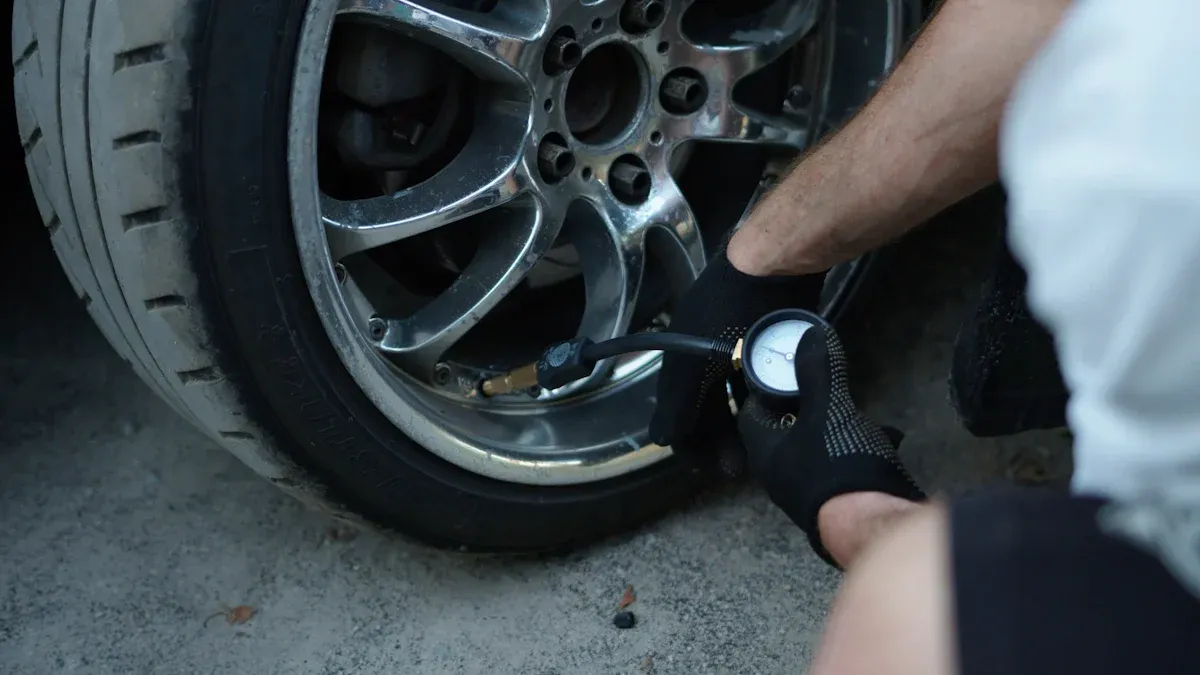
You should replace your tpms rubber valve stem if you see cracks, leaks, or any visible damage. You may notice that your tires lose air quickly or have trouble staying properly inflated. Experts recommend you replace the valve stem every time you change your tires or after 4-6 years. This action supports the critical importance of tpms and vehicle safety. Timely replacement keeps your tpms working and helps ensure safety on the road.

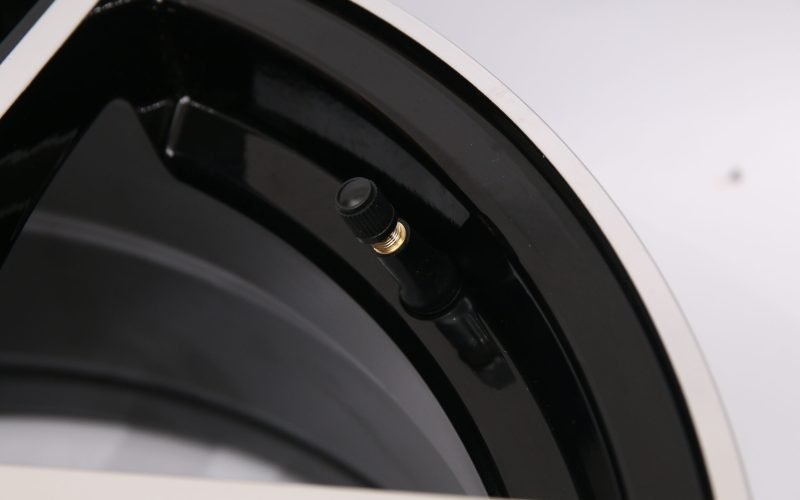
You see a TPMS rubber valve stem every time you check your tires. This small part connects the tire to the tire pressure monitoring system. The stem houses the sensor that measures air pressure inside the tire. You use the valve stem to add or remove air, which helps keep your tires at the right pressure. Most rubber snap-in stems resist corrosion, so they last longer in tough weather. You find these stems easy to install and remove, which makes them popular for both original equipment and aftermarket repairs.
Tip: Always inspect your TPMS rubber valve stem for cracks or damage when you check your tires.
The TPMS rubber valve stem plays a key role in tire pressure monitoring. It holds the sensor that collects real-time pressure data from inside the tire. The sensor sends this information to your vehicle’s onboard computer. If the pressure drops below safe levels, the monitoring system alerts you right away. This real-time monitoring helps you avoid driving on underinflated tires. Direct TPMS sensors sit inside the valve stem, while indirect TPMS sensors use other features to track pressure changes. Both types work to keep you safe by providing accurate, real-time data.
Main functions of a TPMS rubber valve stem:
Modern vehicles rely on TPMS technology for safety and performance. Proper tire pressure improves handling, fuel efficiency, and tire life. The TPMS rubber valve stem helps you maintain accuracy in tire pressure monitoring. When you keep your tires properly inflated, you reduce the risk of accidents and save money on fuel. Regular maintenance of the valve stem and sensors ensures your tire pressure monitoring system works well. You get the best results when you use quality stems and sensors, which maximize the life of your tires and sensors.
Benefits of TPMS rubber valve stems:
You can spot early warning signs of a failing TPMS rubber valve stem by looking closely at its surface. Cracks or splits often appear as thin lines or breaks in the rubber. These flaws may seem small, but they can quickly lead to bigger problems. You might notice discoloration or rough patches. Physical damage can happen during tire service or from everyday wear. Missing valve caps expose the valve core to moisture and dirt, which can cause corrosion. If you see any of these issues, you should consider replacing the valve stem right away.
Tip: Use a flashlight to inspect the valve stem closely. Even small cracks can cause big problems for your tire pressure monitoring system.
Cracks or splits in the TPMS rubber valve stem can cause air to escape from your tire. You may notice your tire pressure drops quickly, sometimes falling to very low levels. For example, a user found their tire pressure dropped to 7 PSI because of cracks in the rubber valve stem. Soaping the valve can help you find the source of the leak. If bubbles form, air is escaping through the cracks. Air leaks make it hard to keep properly inflated tires, which affects safety and performance. The TPMS sensor may trigger a warning light if the pressure drops below safe levels. You should act fast if you see any signs of air loss.
Alert: If your tire pressure monitoring system shows a warning, check the valve stem for cracks or leaks before replacing the sensor.
Over time, exposure to sunlight, moisture, and road salt can damage your TPMS rubber valve stem. Sunlight makes the rubber brittle and causes cracks. Road salt and moisture lead to corrosion on metal parts, which weakens the valve and increases the risk of failure. Dirt and harsh climates also speed up deterioration. You should inspect your valve stems regularly, especially if you drive in areas with extreme weather or salted roads. The table below shows how different environmental factors affect valve stem health:
| Evidence Description | Impact on TPMS Rubber Valve Stems |
|---|---|
| Corrosion from moisture, salt, dirt, climate | Leads to rough and misshapen valve surfaces, making airtight seals impossible and causing slow leaks |
| Prolonged exposure to sunlight | Causes rubber components to become brittle and crack, weakening the valve and leading to air loss |
| Exposure to road salt and moisture | Causes corrosion on metal parts, weakening the valve and increasing the risk of failure |
You should replace old valve stems every 4-6 years, even if you do not see visible damage. Regular replacement helps your tire pressure monitoring system work well and keeps your sensors accurate. Proper maintenance ensures real-time monitoring and helps you avoid unexpected air leaks.
Note: Environmental exposure can damage both the valve stem and the sensor. Regular checks help you catch problems early and keep your monitoring system working.
When you see the TPMS warning light on your dashboard, you should pay attention right away. This light tells you that something is wrong with your tire pressure monitoring system. Sometimes, the problem comes from a damaged rubber valve stem. Cracks or leaks in the stem can cause air to escape. When this happens, the TPMS detects low pressure and triggers the warning light.
You may also notice the TPMS warning light if the sensor inside the valve stem stops working. Sensors measure the air pressure in your tires and send data to your car’s computer. If the sensor cannot read the pressure correctly, the system will alert you. Faulty sensors can result from age, corrosion, or damage during tire service.
Tip: If the TPMS warning light stays on after you inflate your tires, check the valve stem and sensor for damage. You can avoid bigger problems by fixing small issues early.
Here are common reasons for TPMS warning light and sensor malfunctions:
You should inspect your valve stems and sensors every time you check your tires. Look for cracks, corrosion, or missing valve caps. If you see the TPMS warning light, use a tire pressure gauge to check each tire. If the pressure is correct but the light stays on, the sensor might need replacement.
A faulty TPMS can affect your safety. Underinflated tires make your car harder to control. You may also use more fuel and wear out your tires faster. Reliable sensors and healthy valve stems help you avoid these risks. You keep your TPMS working well when you replace damaged parts and follow manufacturer guidelines.
Alert: Do not ignore the TPMS warning light. Quick action protects your tires and keeps you safe on the road.
You should follow manufacturer guidelines to keep your tire pressure monitoring system working well. Most tire and vehicle manufacturers recommend replacing the TPMS rubber valve stem every time you change your tires. The rubber in the valve stem can break down over time, which may cause air leaks and tire problems. Regular replacement helps you avoid sudden tire failure and keeps your tires properly inflated.
Tip: Always ask your tire technician to check the valve stem during service. This simple step supports safety and performance.
Your driving habits and local climate affect how often you need to replace the valve stem. If you drive in areas with harsh winters or extreme heat, the rubber may wear out faster. Extreme temperatures can also affect the sensor and battery life. Cold weather may cause the sensor to work less often, while hot weather can shorten battery life. Stop-and-go traffic puts more stress on the monitoring system than highway driving.
You should inspect your valve stems more often if you face tough driving conditions. This habit helps you catch problems early and maintain real-time tire pressure monitoring.
Industry experts warn that skipping valve stem replacement during tire changes can lead to slow air leaks and even tire deflation. The rubber can dry out and crack, making it easy to damage when you remove the old stem. Hard, dry rubber often breaks as you pull it through the rim hole, which causes more air loss. Replacing the TPMS rubber valve stem during tire changes protects your sensors and keeps your tire pressure monitoring system accurate.
Alert: Never ignore valve stem replacement when you get new tires. This step helps you avoid costly repairs and keeps your vehicle safe.
You support TPMS technology and real-time monitoring when you follow these best practices. Properly inflated tires improve safety and performance, and healthy sensors keep your tire pressure monitoring system working as it should.

You can keep your TPMS working well by inspecting the valve stems regularly. Start by checking your tire pressures and looking for uneven wear patterns. Examine the sidewalls for bubbles, cracks, or other damage. Corrosion on the valve stem can cause air leaks and affect sensor performance. Use a dry, lint-free cloth to wipe each stem clean. Look closely for cracks, bent cores, or worn threads. Replace any damaged stems before you fit the sensor.
Here is a simple checklist you can follow:
Tip: Make sure each sensor is securely attached to the valve stem. Loose connections can cause inaccurate readings.
You may want to replace a TPMS rubber valve stem yourself. If you choose the DIY route, you need the right tools. A TPM5010 TPMS Service Tool Kit contains everything you need for TPMS service. Use a 1/4” torque wrench to install the TPMS nut accurately. A torque screwdriver preset to 12 in/lbs helps you replace rubber snap-in valve stems. The valve core torque tool ensures you meet recommended torque specifications.
If you do not have these tools or feel unsure, you should visit a professional. Tire shops have trained technicians who use specialized equipment. Professionals can spot hidden problems and install high-quality TPMS sensors correctly. You save time and avoid mistakes when you trust experts.
Note: If you want peace of mind, let a professional handle the replacement.
You should always choose TPMS rubber valve stems from trusted brands. High-quality TPMS sensors and valve stems last longer and work better. Brands like Fortune use premium materials and strict quality control. These products resist corrosion and wear, even in tough conditions.
Look for valve stems with certifications like ISO9001. Reliable brands test their products before shipment. You get better performance and fewer problems when you select quality parts.
Here is what you should look for:
| Feature | Benefit |
|---|---|
| Premium materials | Longer life, better performance |
| Certified manufacturing | Consistent quality |
| Strict testing | Fewer defects, safer driving |
😊 Choose trusted brands for your TPMS rubber valve stem. You protect your tires and sensors with quality parts.
You protect your vehicle safety and save money when you inspect and replace your tpms rubber valve stem regularly. Following manufacturer guidelines helps sensors work longer and keeps your tpms accurate. Replace valve stems during tire changes to lower the risk of sensor failure and tire leaks. Trusted brands test their sensors and valve stems to meet strict standards, so you get reliable performance. The table below shows how proactive maintenance leads to cost savings for your vehicle.
| Cost Saving Aspect | Description |
|---|---|
| Fuel Efficiency | Properly inflated tires improve fuel efficiency, leading to significant savings over time. |
| Tire Lifespan | TPMS ensures even tire wear, extending tire life and reducing replacement costs. |
| Prevention of Accidents | TPMS helps avoid accidents from underinflated tires, saving on repair costs and medical expenses. |
| Repair and Maintenance Costs | Early detection of tire issues prevents costly repairs, including avoiding tire blowouts. |
| Safety-Related Costs | Preventing accidents reduces potential medical bills and property damage, lowering insurance costs. |
You should check for cracks, splits, or leaks. If you see damage or your tire loses air quickly, replace the valve stem. Replace it every time you change tires or after 4-6 years.
You should not drive with a damaged valve stem. Air can leak out, causing low tire pressure. This can make your car unsafe and damage your tires.
You need a torque wrench and a TPMS service tool kit. These tools help you install the valve stem correctly. If you do not have them, visit a professional tire shop.
If you ignore the warning light, your tires may lose air. Low pressure can cause poor handling, reduce fuel efficiency, and increase the risk of accidents. Always check your tpms system when the light comes on.
You should choose brands like Fortune. These brands use premium materials and strict testing. Certified products last longer and help keep your tires safe.
Tip: Always ask your technician about valve stem quality during tire service.
 Request a quote