What is the difference between rubber and metal tire valves?
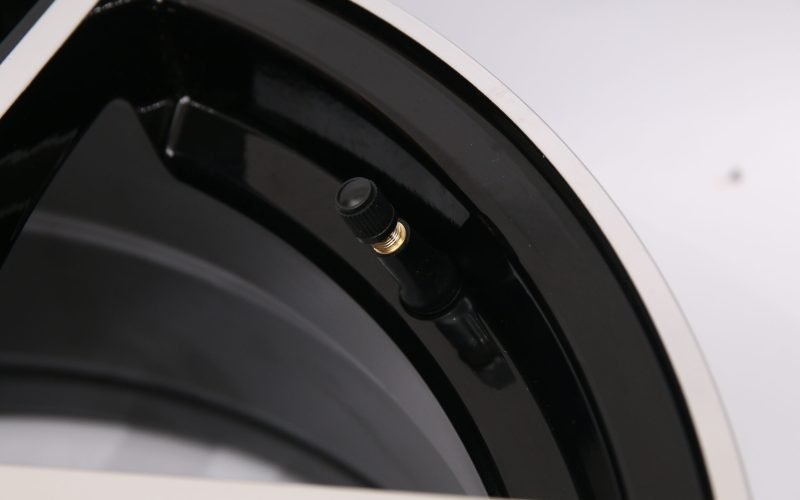 20Mar
20Mar 

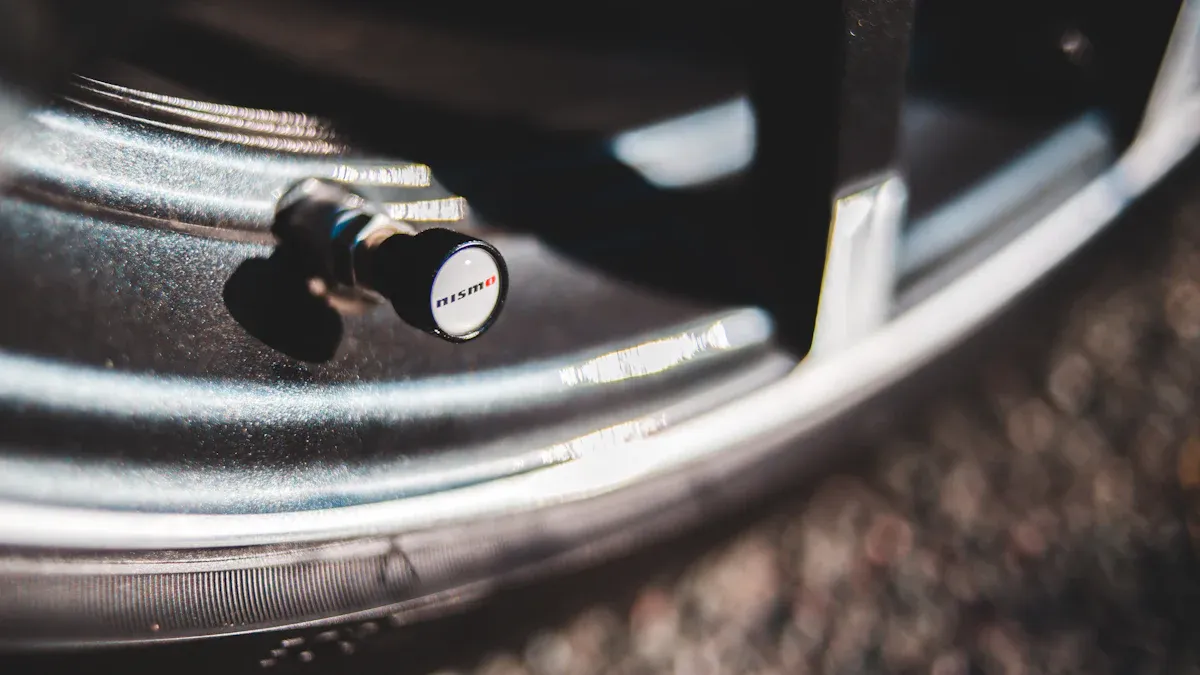
You find three main parts of tire valve in your car: the valve stem, valve core, and valve cap. Some valves also use extensions or sensors. Each part helps keep air inside your tires and protects them from damage.

You find the valve stem as the main body of the tire valve. It sticks out from the wheel and lets you add or release air from your tire. The valve stem keeps your tire pressure at the right level and stops air from leaking out. Most valve stems use either rubber or metal. Rubber stems resist corrosion better, but metal stems last longer and handle higher pressure. Some valve stems use brass inside, covered with EPDM rubber, which lasts longer than natural rubber and resists damage from sunlight and weather. If you see cracks or brittleness on a rubber stem, it may be time to replace it. Metal stems can corrode over time, so you should check them for rust. The valve stem is one of the most important parts of tire valve because it holds everything together and keeps your tire safe.
Tip: Always check your valve stems for damage when you inspect your tires. A damaged stem can lead to slow leaks or sudden air loss.
The valve core sits inside the valve stem. You control the airflow with the valve core. It seals the tire pressure inside and stops air from escaping. The valve core uses a spring-loaded design, so you can add or remove air easily while keeping a tight seal. This design helps your tire hold air for a long time. If the valve core fails, you may notice your tire losing air quickly. Common causes of valve core failure include aging, exposure to chemicals, and physical damage from road debris. Incorrect installation, like over-tightening, can also cause problems. The valve core is a key part of the parts of tire valve because it keeps your tire inflated and ready for the road.
You find the valve cap at the tip of the valve stem. The valve cap acts as a second seal and protects the valve core from dirt, moisture, and damage. Without a valve cap, dirt and water can get inside the valve stem and cause leaks or corrosion. Some valve caps use anodized aluminum or high-grade alloys, which resist rust and last longer. These materials protect against heavy weather and keep your valve core safe. The valve cap blocks environmental contaminants and shields the valve from weather-related damage. You should always replace missing or damaged valve caps to keep your tires in good shape.
Note: High-quality valve caps made from anodized aluminum offer strong protection against corrosion and harsh weather.
You may notice some vehicles use valve extensions and sensors as part of the parts of tire valve. These additions help you reach the valve more easily and keep track of your tire’s condition.
Valve extensions make it easier for you to access the valve stem, especially on wheels with deep rims or dual tires. You simply attach an extension to the valve stem, and you can inflate or check your tire pressure without struggling to reach the valve. This is helpful for trucks, buses, and vehicles with hard-to-reach wheels.
Sensors, especially those used in a tire pressure monitoring system, play a key role in keeping your tires safe. You find these sensors attached to the valve stem. They constantly measure air pressure and temperature inside the tire. If the pressure drops or the temperature rises, the sensor sends a warning to your dashboard. This lets you act quickly and avoid problems like blowouts or uneven tire wear.
Tip: Sensors help you spot tire issues before they become dangerous. You can drive with more confidence when you know your tire pressure is always correct.
Many commercial fleets use valve extensions and sensors to improve safety and save money. When you use a tire pressure monitoring system, you get real-time updates about your tires. This helps you keep your tires properly inflated, which leads to better fuel efficiency and lower fuel costs. You also reduce your impact on the environment because your vehicle uses less fuel.
When your tires stay at the right pressure, they wear evenly and last longer. You spend less money on replacements and repairs. Sensors also help you avoid accidents caused by underinflated or overinflated tires.
You benefit from these technologies because they make tire maintenance easier and safer. You can check your tire pressure without using a manual gauge. You also protect your tires from damage and keep your vehicle running smoothly.
Note: Using extensions and sensors helps you keep your tires in top shape and avoid unexpected breakdowns.
When you look at tire valve stem types, you see three main options. Each type fits different vehicles and driving needs. Knowing the differences helps you choose the right stem for your car or truck.
Rubber snap-in valve stems are the most common type you find on passenger cars. You notice their flexibility and ease of use. These stems resist corrosion better than aluminum clamp-in stems. You do not need special tools for installation. You simply pull the stem through the valve hole with a valve puller tool. This makes the process quick and easy. Tubeless rubber snap-in valves also protect against air leaks. They do not require a nut or torque tool. You should replace rubber stems during tire servicing. Over time, exposure to sunlight and weather can cause slow leaks. Rubber stems are durable, but regular checks keep your tires safe.
Tip: Always inspect your rubber valve stems for cracks or signs of aging when you check your tires.
You use high-pressure snap-in valves for vehicles that need higher inflation pressures, such as light trucks. These stems handle more pressure than standard rubber stems. For .453″ rim holes, the maximum cold inflation pressure reaches 80 psi. For .625″ rim holes, the maximum cold inflation pressure goes up to 100 psi. The industry trade number for these stems is 600HP, which supports a pressure rating of 80 psi. High-pressure snap-in stems give you extra strength and reliability for heavy loads. You keep your tires safe even under tough conditions.
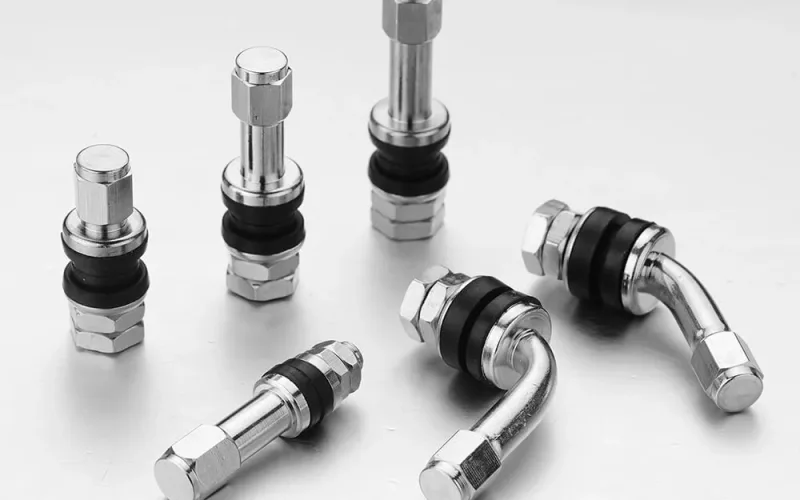
Metal clamp-in valve stems offer the highest level of durability and sealing. You find these stems made from aluminum, brass, or stainless steel. The metal construction lets them handle higher tire pressures, often above 65 PSI. High-pressure metal clamp-in valves work well for high-performance vehicles and heavy-duty trucks. The design uses a hex nut and washer to secure the stem. This creates a long-lasting seal that resists vibration and punctures. You get better protection against leaks and premature aging. The robust design makes these stems ideal for challenging driving conditions.
Note: Metal clamp-in stems provide a superior seal and last longer in demanding environments.
A Schrader valve stem is one of the most common types you see on car tires. You find several important parts working together to keep your tire safe and properly inflated. Each part has a special job that helps the valve work smoothly.
You see the stem body as the main structure of the Schrader valve. It looks like a hollow metal tube sticking out from the wheel. The stem body holds the valve core inside and gives the valve its shape. You notice that the stem body is strong and durable. It protects the inner parts from damage and keeps the air inside your tire. The stem body also makes it easy for you to attach a pump or gauge when you check your tire pressure.
Here is a table showing the main components and their functions:
| Component | Description |
|---|---|
| Valve Stem | A hollow cylindrical metal tube that houses the valve core. |
| Valve Core | A poppet valve that controls the flow of air, assisted by a spring. |
| Spring | Keeps the valve core closed unless the pin is depressed, allowing air flow. |
| Rubber Seal | Prevents gas or fluids from leaking through the threads of the valve core. |
You find the valve core inside the stem body. The valve core acts like a small poppet valve. It controls the flow of air in and out of your tire. When you press the pin in the center, the spring lets air move through the valve. When you stop pressing, the spring pushes the core closed and seals the air inside. The rubber seal around the core stops leaks and keeps your tire pressure steady. If the valve core wears out or gets damaged, you may notice your tire losing air quickly.
Tip: If you see your tire losing air, check the valve core for damage or dirt. Replacing a faulty core can fix leaks fast.
You find the valve cap at the end of the tire valve stem. The valve cap covers the opening and protects the valve core from dirt, water, and dust. Without a cap, small particles can get inside and cause leaks or damage. Some valve caps use strong materials like anodized aluminum to resist rust and last longer. You should always keep a valve cap on each tire to protect the parts of a schrader valve stem and keep your tires working well.
Note: A missing valve cap can lead to slow leaks and damage. Always replace lost or broken caps to keep your tires safe.
You find the spring and poppet mechanism at the heart of every Schrader valve. This tiny system controls how air moves in and out of your tire. When you press the pin in the center of the valve, you push the poppet down against the spring. The spring compresses and opens a path for air to flow. When you stop pressing, the spring pushes the poppet back up, sealing the valve and trapping air inside your tire.
How the Spring and Poppet Work Together:
Tip: If you notice your tire losing air, check the valve for dirt or damage. Dirt can block the poppet or weaken the spring, causing leaks.
Why This Mechanism Matters:
Here is a simple table showing what happens during inflation and deflation:
| Action | What You Do | What the Mechanism Does |
|---|---|---|
| Inflate Tire | Press valve pin | Spring compresses, poppet opens |
| Deflate Tire | Press valve pin | Spring compresses, poppet opens |
| Finish | Release valve pin | Spring expands, poppet seals |
You keep your tires safe by making sure the spring and poppet mechanism works smoothly. Regular checks help you spot problems early. If the spring feels weak or the poppet sticks, you may need to replace the valve core. This simple system protects your tires and keeps your car running safely every day.
You rely on several tire valve parts to keep air inside your tires. The valve core, valve cap, and valve stem seal work together to maintain the right tire inflation pressure. The valve core uses a spring-loaded design to regulate airflow. When you add air, the core opens and lets air enter. When you finish, the spring pushes the core closed, trapping air inside. The valve stem seal creates a tight fit between the valve and the rim. This seal stops air from escaping, even when you drive over bumps or rough roads. The valve cap protects the valve from dirt and moisture, which helps the seal last longer. When these parts work together, you keep your internal tire pressure steady. This helps your car stay safe and run efficiently.
Tip: Always check that your valve caps are secure. A missing cap can let dirt in and weaken the seal.
You want your tires to hold air without losing pressure. Tire valve components use special materials and designs to prevent leaks, even when temperatures change. Some valve stems use rubber with low oxidizing agent content. This rubber resists aging and keeps the seal strong. Self-sealing tires use a layer of sealant inside the tire. If you get a puncture, the sealant closes the hole and stops a slow leak. Some valves use a dual-thickness sealant layer. This layer works well in both hot and cold weather. Newer valve stems use graphene-infused rubber. This material reduces air permeability and helps your tires keep their inflation pressure longer.
| Technology Description | Key Features |
|---|---|
| Low oxidizing agent content | Prevents rubber deterioration and sealing failure after aging |
| Self-sealing tire applications | Seals punctures using a sealant applied to the inner surface |
| Dual-thickness sealant layer | Maintains sealing ability at high and low temperatures |
| Graphene-infused rubber | Reduces air permeability, improving inflation pressure retention |
You benefit from these technologies because they help your tires resist leaks and keep you safe on the road.
You protect your tire valves from dirt and damage by using valve caps and sturdy valve stems. The valve cap acts as a shield. It blocks dust, water, and small debris from entering the valve stem. If dirt gets inside, it can cause the valve core to stick or fail. This may lead to a slow leak or sudden air loss. Strong valve stems made from quality materials resist bending and cracking. You should check your valve caps and stems during regular tire inspections. If you see damage or missing caps, replace them right away. This simple step helps you avoid problems and keeps your tires working well.
Note: Clean valve stems and secure caps help you avoid leaks and extend the life of your tires.

You can easily spot the main parts of your tire valve during a routine check. The valve stem sticks out from the wheel and serves as the main channel for air. The valve core sits inside the stem and controls airflow. The valve cap covers the tip and protects the core from dirt and moisture. Some vehicles also have extensions or sensors attached to the stem. Use this table to help you identify each part during your inspection:
| Part | Where to Find It | What It Looks Like |
|---|---|---|
| Valve Stem | Protrudes from the wheel | Rubber or metal tube |
| Valve Core | Inside the valve stem | Small metal piece with a spring |
| Valve Cap | On top of the valve stem | Plastic or metal screw-on cap |
| Extension | Attached to the valve stem | Extra tube or fitting |
| Sensor | Connected to the valve stem | Small electronic device or module |
Tip: Always check that each part is present and secure before you drive.
You need to look for clear signs that tell you when to replace a tire valve part. Cracks, splits, or brittleness on the valve stem often mean it is time for a new one. A missing or damaged valve cap can let dirt in and cause leaks. If you notice air leaking or have trouble keeping the correct tire inflation pressure, you may have a faulty valve core or stem. Some valve caps use color indicators to show pressure status:
| Indicator Color | Meaning |
|---|---|
| Full green | Pressure is correct according to the cap’s designated value |
| Partial green/red | Tire is under-inflated by as little as 10% |
| Full red | Tire is under-inflated by 25% or more |
You should also watch for warning lights from your tire pressure monitoring system. If you see the RTM (Replacement Tyre Monitor) warning or the words “Replace Tyre,” check your valve parts right away.
You can extend the life of your tire valve parts with regular care. Always inspect the valve stem and cap when you check your tires. Replace the valve stem every time you get new tires, or at least every 4 to 6 years. Experts recommend you maintain the valve stem by keeping it clean and free from debris. Use metal caps and tighten them to block dirt and moisture. Regularly check tire pressure, at least once a week, to catch leaks early. During tire changes, inspect valves and grommets for wear. Use this table to remember key maintenance practices:
| Maintenance Practice | Description |
|---|---|
| Proper Air Pressure | Keeps tires safe and prevents rapid wear. |
| Tire Pressure Monitoring | Alerts you to pressure changes for quick action. |
| Regular Valve Inspection | Helps you spot damage and avoid leaks. |
| Use of Metal Caps | Blocks debris and protects the valve mechanism. |
Note: Good maintenance helps you avoid sudden air loss and keeps your tires safe for every trip.
Replacing a tire valve stem helps you keep your tires safe and properly inflated. You can follow these steps to do the job correctly. Always work on flat ground and use the right tools for your vehicle.
Remove the Tire
Start by finding a flat surface. Lay the tire down and use a pry bar to break the bead between the tire and the rim. This step lets you reach the valve stem easily.
Take Off the Valve Cap and Core
Unscrew the valve cap. Use a Schrader valve core bit to remove the valve core from the stem. This releases any remaining air inside the tire.
Remove the Old Valve Stem
Cut or pull out the old valve stem with pliers or diagonal cutters. Make sure you remove all rubber from the underside of the rim.
Lubricate the New Valve Stem
Apply a small amount of soap to the new valve stem. This makes it easier to insert and helps prevent damage during installation.
Install the New Valve Stem
Push the new stem up through the rim hole. Use pliers or a valve stem tool to pull it through until it seats properly.
Re-seat the Tire Bead
Use a tire kit to help the tire bead sit back on the rim. Check that the bead is fully seated before moving on.
Inflate the Tire
Use an air compressor to inflate the tire. Aim for the recommended pressure, usually around 32 psi for passenger vehicles. Use an air pressure gauge to check for leaks.
Tip: Always confirm that the new valve stem fits your wheel size. Take your time during installation to avoid mistakes.
Tools You Need:
Safety Precautions:
You keep your tires in good condition by following these steps. Regular replacement of worn valve stems helps prevent air leaks and keeps your vehicle safe on the road.
You keep your tires safe when you understand the parts of tire valve and check them often. Regular inspection helps you spot air leaks early, which lowers the risk of blowouts. Choosing high-pressure snap-in valves, tubeless rubber snap-in valves, or high-pressure metal clamp-in valves from trusted brands like Fortune gives you better durability and safety. Proactive care can save you hundreds of dollars compared to emergency repairs and helps your vehicle perform at its best.
A damaged valve stem can cause air to leak from your tire. You may notice your tire losing pressure quickly. Driving with low tire pressure increases the risk of a blowout. You should replace a damaged valve stem right away.
You should inspect your tire valve parts every time you check your tire pressure. Most experts recommend checking at least once a month. Regular checks help you spot cracks, leaks, or missing caps early.
Yes, you can replace a valve core without taking off the tire. Use a valve core tool to unscrew the old core and install a new one. Make sure you release all air before starting the replacement.
A valve cap keeps dirt and moisture out of the valve stem. This helps prevent leaks and protects the valve core. Without a cap, debris can enter and damage the valve, leading to air loss.
Metal clamp-in valve stems work best for high-pressure tires. These stems use strong materials like brass or aluminum. They provide a secure seal and handle higher air pressure, making them ideal for trucks and performance vehicles.
 Request a quote