What is the difference between rubber and metal tire valves?
 20Mar
20Mar 
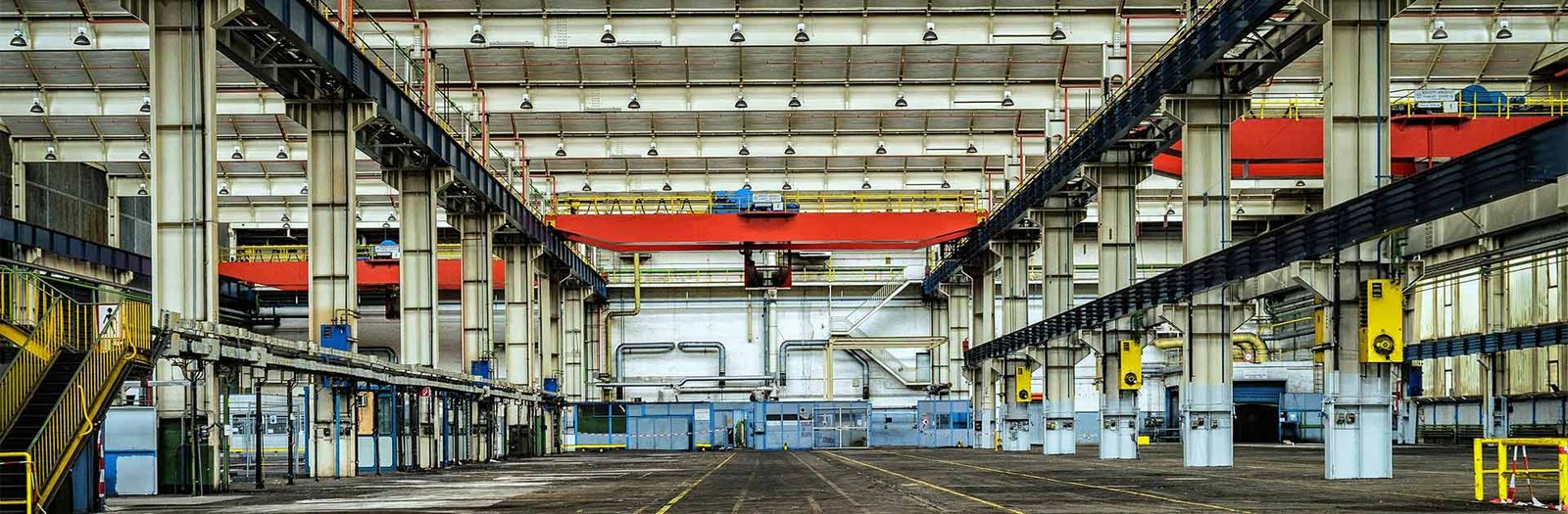
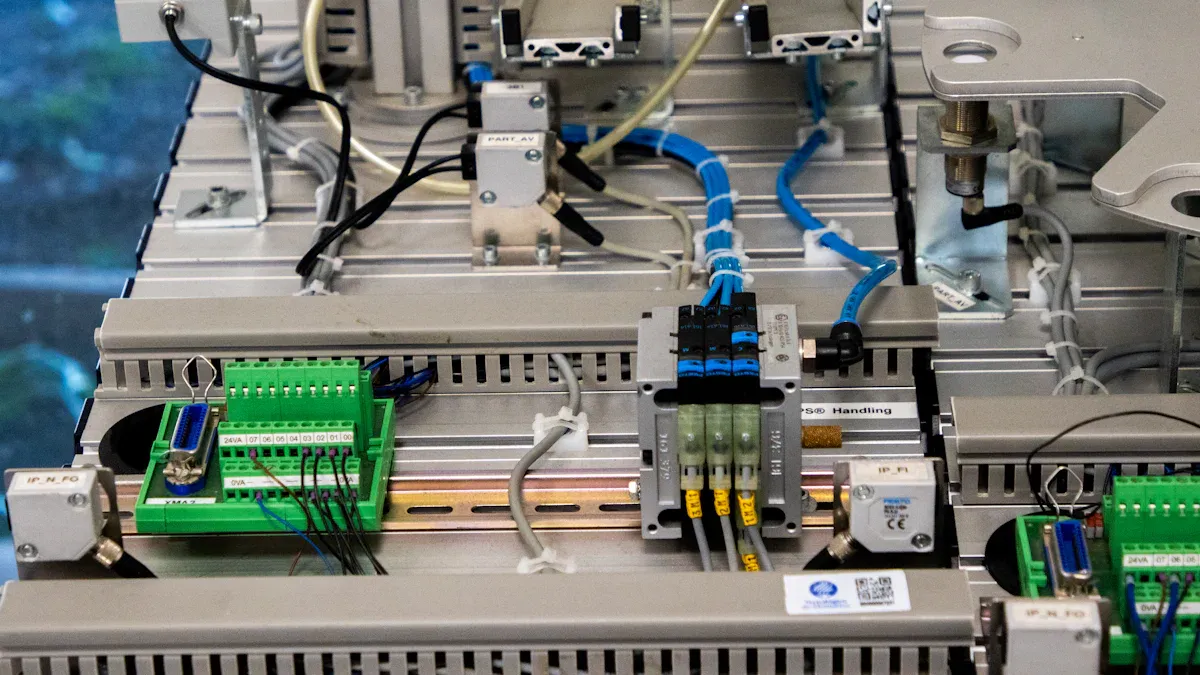
You can see how smart valves change manufacturing by giving you real-time information and control. Smart valves use sensors to collect data and help you monitor every process. With smart technology, you respond quickly to problems and avoid costly downtime. The table below shows how a valve with sensor improves your operations:
| Feature | Benefit |
|---|---|
| Real-time Monitoring | You spot issues early and act fast. |
| Predictive Maintenance | You fix parts before they break, so you save time and money. |
| Energy Optimization | You use less energy and lower costs. |
| Digital Twin Integration | You test changes without stopping your machines. |
| Device-to-Cloud Visibility | You see everything happening and make smart decisions quickly. |
Smart valves help you work safer and more efficiently. When you use smart valves, you prepare your factory for the future.
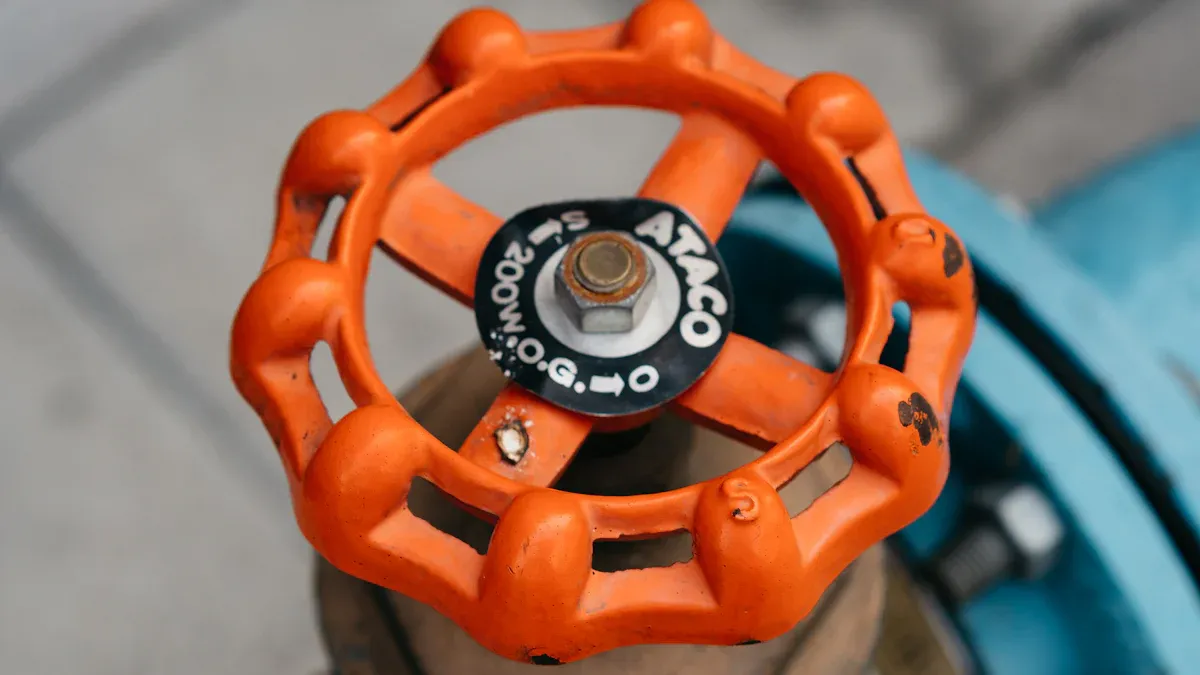
A valve with sensor combines a traditional valve with advanced electronic sensors. You use this device to control the flow of liquids or gases in your system while collecting real-time data. The sensors track important details like pressure, temperature, and flow rate. This information helps you make quick decisions and keep your operations running smoothly.
You can spot the main differences between a valve with sensor and a traditional valve by looking at their components:
These features make intelligent valve technologies a smart choice for modern factories. You can also find custom-engineered valves that fit your specific needs.
When you install a valve with sensor, you connect it to your control system. The sensors inside the valve monitor the fluid’s status in real time. They measure things like temperature, pressure, and flow. The device then sends this data to your automation system using advanced data acquisition technology.
You benefit from this setup because the valve with sensor becomes part of the industrial internet of things (IIoT). Your devices communicate with each other, which boosts productivity and efficiency. For example, microchip sensors in some valves measure movements with high precision. These sensors use different communication protocols to send data quickly to your control center. You can then analyze this information and make smart choices for your factory.
You rely on smart valve systems to give you real-time information about your manufacturing process. These smart devices use advanced sensors to track important parameters every second. When you use smart valves, you get instant updates on what is happening inside your system. This helps you make real-time adjustments and keep everything running smoothly.
Here are the most common data points you monitor with smart valve systems:
Smart valve systems send this data to your control center. You use remote monitoring to check the status from anywhere. This level of monitoring lets you spot problems early and respond quickly. You keep your operations safe and efficient by acting on real-time data.
Smart valve systems allow you to control your equipment from a distance. You use remote monitoring and automation to manage flow rates and pressure without being on-site. Smart meter valves use sensors and computing power to optimize your process. You adjust settings and make changes instantly, which improves your workflow.
You benefit from built-in diagnostics and monitoring. These features give you real-time insights, so you identify issues before they become serious. Smart valve systems fit into your existing automation setup. You achieve higher efficiency and reduce downtime by using remote control and automation.
Smart valves help you plan maintenance before problems happen. You use predictive maintenance to catch issues early and avoid costly repairs. Sensors in smart valve systems monitor equipment health and alert you when something needs attention.
Here is how predictive maintenance improves your facility:
| Benefit | Description |
|---|---|
| Reduced Downtime | You avoid major failures and unplanned downtime by catching issues early. |
| Lower Maintenance Costs | You fix problems before they grow, saving money on repairs. |
| Enhanced Equipment Performance | You optimize your system, making it last longer and work better. |
You rely on real-time monitoring and predictive maintenance to keep your factory running at its best. Smart valve systems give you the tools to maintain equipment, save money, and improve performance.
You see how smart manufacturing changes when you connect devices to the industrial internet of things. IIoT platforms let you link sensors, controllers, and smart water valves across your entire facility. You use these connections to collect data, control equipment, and improve your process.
When you install iot-enabled smart valves, you make your system smarter. These valves send real-time data to your IIoT dashboard. You watch flow rates, pressure, and temperature from any location. You also set alerts for problems, so you act fast and keep your plant safe.
IIoT platforms help you automate your work. You program smart water valves to open or close based on sensor readings. You save water and energy by using data to control your system. You also reduce waste and lower costs.
Tip: You can use IIoT analytics to predict when a valve needs maintenance. This helps you avoid breakdowns and keep your equipment running longer.
Here is how you benefit from integrating iot-enabled smart valves with IIoT platforms:
The industrial internet of things gives you a powerful way to manage your factory. IIoT platforms work with many types of sensors and controllers. You build a flexible system that grows with your needs. You use smart valves to collect data, automate tasks, and keep your plant running smoothly.
| IIoT Feature | How It Helps You |
|---|---|
| Remote Monitoring | You check valve status from anywhere |
| Automated Control | You set rules for valves to work automatically |
| Predictive Analytics | You plan maintenance before problems happen |
| Data Integration | You combine data from all devices for better insight |
You see how the industrial internet of things and IIoT platforms make your factory smarter. You use iot-enabled smart valves and smart water valves to boost efficiency, safety, and control.
You see the smart valve revolution changing how factories work every day. Smart valves use sensors and AI to collect data and make real-time adjustments. This means your machines run better and last longer. You do not have to stop production as often for repairs. Smart valves help you keep everything moving smoothly.
Smart valves give you real-time information about pressure, temperature, and flow. You use this data to make smart choices. In industries like oil and gas or chemical processing, smart valves help you keep quality high and waste low. You get more done with less effort.
Tip: Smart valves can even test changes in a digital twin before you try them on your real machines. This helps you avoid mistakes and improve efficiency.
Smart valves make your workplace safer. You get real-time insights into how each valve works. If something goes wrong, you can shut down equipment from a safe distance. This is very important in places where dangerous chemicals or high pressure are present.
Smart valves also predict when something might fail. You get alerts before a problem happens, so you can schedule maintenance and avoid accidents. This keeps your plant safe and helps you meet all legal requirements.
The smart valve revolution helps you save money and use resources wisely. Smart valves reduce water and energy use by making sure you only use what you need. You see lower utility bills and less waste.
| Case Study | Water Bill Reduction | Payback Period | Annual Savings | Gallons Saved |
|---|---|---|---|---|
| Major Medical Center | 23% | 6.1 months | $90K | 551K |
| School | N/A | N/A | N/A | N/A |
| Restaurant Chain | N/A | N/A | N/A | N/A |
| Luxury Hotel | N/A | N/A | N/A | N/A |
| Car Wash | N/A | N/A | N/A | N/A |
You can expect an average of 20% less water use when you install smart valves. Many companies see a return on investment in less than six months. Smart valves help you cut water use by up to 30%. This means you save money and help the environment at the same time.
The smart valve revolution gives you the tools to make your factory more efficient, safer, and more cost-effective. You stay ahead of the competition by using smart technology in every part of your operation.
You use data to make better choices in your factory. Smart valves give you the information you need to improve every part of your operation. When you install smart valves, you collect data about pressure, temperature, and flow. You see how your machines work in real-time. This helps you spot problems before they get worse.
Smart valves send data to your control system. You use this data to adjust your process and keep everything running smoothly. You do not guess what is happening. You know exactly what is going on. You make decisions based on facts, not just experience.
Note: Smart valves help you track trends over time. You see which machines need attention and which ones work well. You plan maintenance when it is needed, not just on a schedule.
You use smart valves to compare different parts of your factory. You see which lines use more energy or water. You find ways to save money and reduce waste. You set goals for your team and measure progress with real numbers.
Here is how smart valves help you make data-driven decisions:
| Decision Area | How Smart Valves Help You |
|---|---|
| Maintenance | You plan repairs based on real data |
| Energy Use | You track and lower energy costs |
| Quality Control | You spot issues and fix them quickly |
| Safety | You respond to risks right away |
| Resource Management | You use less water and materials |
Smart valves work with other smart devices in your factory. You connect sensors, controllers, and computers to build a smart system. You use this system to make choices that help your business grow.
You see the benefits of smart valves every day. You make faster decisions. You avoid mistakes. You keep your factory safe and efficient. Smart valves give you the power to lead your team with confidence.
Tip: You can use smart valves to create digital twins of your machines. You test new ideas in a virtual space before you change anything in your factory.
Smart valves change the way you work. You rely on data, not just guesswork. You make choices that save money, improve safety, and boost quality. You prepare your factory for the future with smart valves and smart technology.
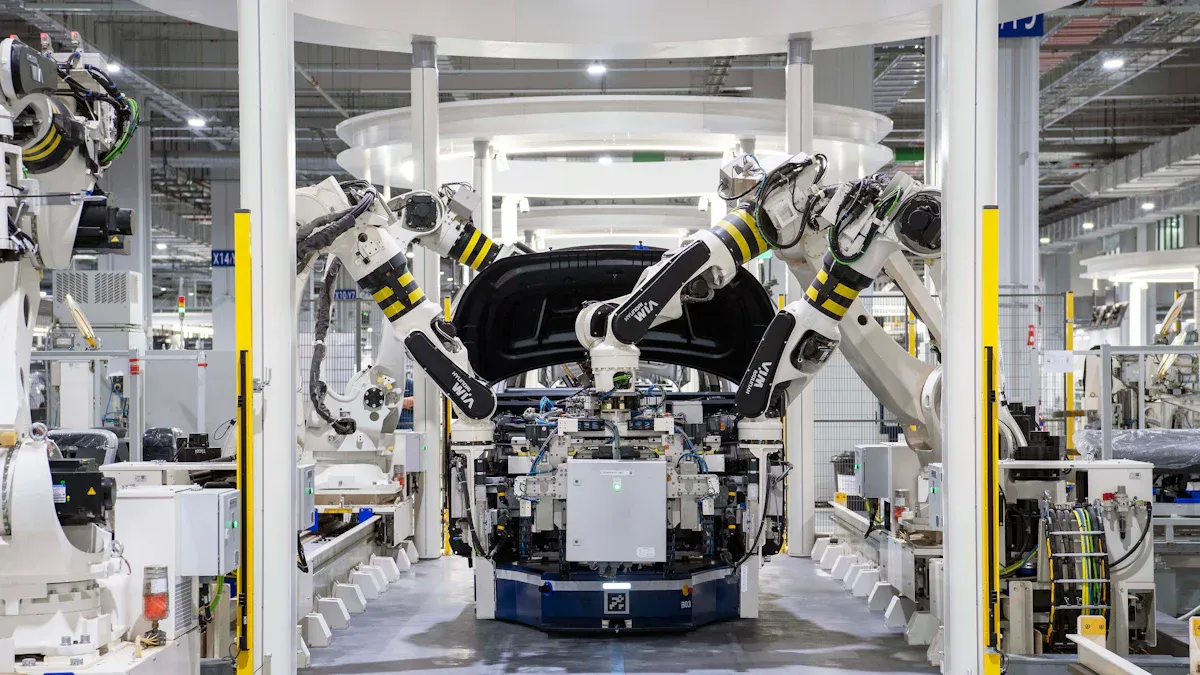
Smart valves have changed how you manage complex processes in many industrial settings. You see their impact in oil and gas operations, chemical processing plants, and water and wastewater management. These devices help you control systems with precision and keep your facility safe.
You use smart valves in oil and gas industrial settings to improve safety and efficiency. Sensors inside these valves detect leaks in pipelines, helping you prevent accidents before they happen. AI in flow control lets you predict demand spikes and adjust flow rates quickly. Swarm intelligence allows multiple smart valves to work together, balancing flow across long pipelines. You rely on these features to keep your operations running smoothly and avoid costly downtime.
In chemical processing industrial settings, you need precise control over mixing and flow rates. Smart valves maintain flow rates within ±0.5% of your target, which is much more accurate than manual systems. These valves make adjustments up to 1,024 times per second, so you get consistent results in polymer production. Electric smart valves reduce batch inconsistencies by nearly 92% in pharmaceutical manufacturing. Built-in PID controllers automatically adjust flow every 50 milliseconds, keeping viscosity and temperature stable.
You see smart valves making a big difference in water and wastewater industrial settings. These valves give you real-time monitoring and control, so you optimize water distribution and prevent overflow. You conserve resources and improve sustainability. Intelligent wastewater valves increase purified water output and reduce wear on RO membranes, saving money and supporting environmental goals.
| Application Area | Benefit |
|---|---|
| Water Distribution | Optimizes flow and prevents wastage |
| Wastewater Treatment | Increases purified output, lowers costs |
| Resource Conservation | Supports sustainability in industrial settings |
Smart valves help you manage demand and keep your systems efficient. You rely on these devices to maintain high standards in industrial settings and protect your investment.
You see smart valves with sensors changing how you manage food and beverage production. These devices help you control temperature, pressure, and flow with high accuracy. You keep your products safe and meet strict quality standards. Smart valves monitor every step, from mixing ingredients to packaging finished goods.
You use smart valves to automate cleaning processes. Sensors detect when equipment needs washing. You reduce water use by up to 25% and save energy. You also lower the risk of contamination. Food safety rules require you to track every batch. Smart valves record data for each production run. You show inspectors that you follow safety guidelines.
Tip: You can set alerts for temperature changes. If a cooler fails, you get a warning before food spoils.
Here are some ways smart valves help you in food and beverage manufacturing:
| Benefit | How Smart Valves Help You |
|---|---|
| Quality Control | You maintain flavor and texture |
| Safety | You prevent contamination |
| Efficiency | You reduce water and energy use |
| Compliance | You meet food safety standards |
Smart valves make your job easier. You produce high-quality food and drinks. You keep your facility safe and efficient.
You rely on smart valves with sensors to keep power plants running smoothly. These devices control steam, water, and fuel flow with precision. You use real-time data to adjust operations and prevent equipment failures. Smart valves help you avoid costly downtime.
Sensors in smart valves measure pressure and temperature every second. You spot problems early and fix them before they grow. You use predictive maintenance to plan repairs. This reduces unexpected shutdowns by up to 30%. You also save money on spare parts.
Note: Smart valves help you meet environmental rules. You monitor emissions and adjust systems to stay within limits.
You use smart valves in different types of power plants:
| Application Area | Smart Valve Role |
|---|---|
| Steam Systems | You regulate pressure and temperature |
| Cooling Systems | You prevent overheating |
| Fuel Delivery | You optimize energy output |
| Emissions Control | You monitor and reduce pollutants |
Smart valves give you control over every part of the power generation process. You keep your plant safe, efficient, and ready for the future.
You can use smart valves to build powerful leak detection systems. These systems protect your facility from water damage and costly repairs. When a leak detection sensor finds a problem, the smart valve closes the water line automatically. For example, if a pipe bursts in a building under construction, the system detects the excessive flow within minutes. The valve shuts off the main supply, stopping flooding and limiting water loss. You rely on leak detection technology to catch leaks early and prevent major damage. Smart valves work with leak detection sensors to provide real-time alerts and quick action. You keep your property safe and reduce risks by using automated leak detection systems.
You improve safety in dangerous areas by using smart valves for remote operation. You do not need to send workers into risky zones. Smart valve positioners, like the Azbil Smart Valve Positioner, help you control valves from a safe distance.
You use smart valves to track and reduce energy use. Smart valves provide real-time monitoring of HVAC and boiler systems. You see how much energy you use and find ways to save.
You want every product on your line to meet high standards. Smart valves with sensors help you reach this goal. These devices give you real-time data about your process. You see what happens at each step. You catch problems before they affect your products.
Smart valves track key factors like pressure, temperature, and flow. You use this data to keep your process stable. If a value goes outside the safe range, the system alerts you right away. You can stop the line or adjust settings to fix the issue. This quick action helps you avoid waste and rework.
Tip: Use smart valves to set up automatic quality checks. The system can reject items that do not meet your standards.
You also use smart valves to record every batch. The sensors log data for each product. You can trace any problem back to its source. This traceability helps you find and fix issues fast.
Here are some ways smart valves improve quality control:
| Quality Control Feature | How Smart Valves Help You |
|---|---|
| Real-Time Monitoring | You catch defects right away |
| Automated Adjustments | You keep your process on target |
| Data Logging | You track every batch for compliance |
| Alerts and Alarms | You act fast to prevent bad output |
Smart valves give you the tools to build a strong quality control system. You deliver better products to your customers. You protect your brand and grow your business with confidence.
When you bring smart valves into your factory, you may face challenges with older equipment. Many legacy systems do not have the right interfaces for modern monitoring or control. Some older valve designs use materials that do not meet today’s safety standards. You might also find that original parts are no longer available, which makes maintenance harder. Space can be tight, so adding new technology is not always easy. You want to avoid long shutdowns during retrofitting. You also need to make sure your upgraded system stays reliable for years.
You can solve these problems by working with experts who understand both old and new systems. Careful planning helps you keep downtime short and ensures your smart valves work well with your existing setup.
When you use smart valves, you collect and send a lot of data for monitoring and control. You need to protect this information. Manufacturers use strong cybersecurity measures to keep your data safe. They follow industry rules for privacy and security. You see tools like TLS encryption for secure data transmission. Authentication uses X.509 certificates or Kubernetes tokens. Multi-factor authentication adds another layer of protection.
Security covers the whole life of your smart valves, from setup to retirement. You need secure onboarding, regular updates, and clear plans for removing old devices. These steps help you keep your monitoring data private and your system safe.
You need skilled workers to get the most from smart valves. Upskilling and retraining programs help your team learn new skills for smart monitoring and maintenance. Workshops teach you how to use IoT-enabled machines and AI for predictive maintenance. You can partner with local colleges for certification programs. Virtual reality training lets you practice real-world scenarios safely.
Continuous training ensures your team can operate, program, and maintain smart valves. You build a workforce ready for the future, with reduced maintenance requirements and better monitoring skills.
You want your smart valve system to grow with your business. Scalability means you can add more valves, sensors, and devices without slowing down your operations. You start by choosing a platform that supports modular expansion. This lets you add new components as your needs change. You avoid costly upgrades by planning for growth from the beginning.
Here are steps you can follow to scale your smart valve system:
Tip: You can use digital twins to simulate system changes before you install new hardware. This helps you spot problems early.
Maintenance keeps your smart valves working well. You set up regular inspection schedules. You use predictive analytics to find issues before they cause downtime. Sensors track valve health and send alerts when something needs attention. You keep spare parts on hand for quick repairs.
Here is a table showing key maintenance strategies:
| Strategy | Benefit |
|---|---|
| Predictive Analytics | You fix problems before failure |
| Scheduled Inspections | You catch wear and tear early |
| Remote Diagnostics | You solve issues from anywhere |
| Spare Parts Inventory | You reduce repair time |
You train your team to use monitoring tools and follow best practices. You keep records of every maintenance action. This helps you spot trends and improve your process. You work with trusted suppliers who offer support and updates for your smart valve system.
Scalability and maintenance help you build a reliable, future-ready factory. You stay efficient, safe, and prepared for growth.
You see new sensor technologies changing how smart valves work in factories. These advancements help you get more accurate data and better control. The table below shows some of the latest improvements:
| Advancement Type | Description |
|---|---|
| IoT Integration | Connects smart valves for real-time monitoring and control. |
| Advanced Signal Processing | Filters noise and adjusts for environmental changes, giving you precise measurements. |
| Digital Twin Technology | Lets you simulate valve performance and plan maintenance before problems happen. |
| MEMS-based Sensors | Uses tiny mechanical systems for high accuracy in valve position sensing. |
| Ultrasonic and Electromagnetic Methods | Detects valve position and flow rates with great precision. |
You notice the market for smart valve sensors growing quickly. Factories want better precision and automation. Experts predict the global market will reach several billion dollars by 2025. Companies like Siemens and Bosch lead the way with digital twin technology and MEMS-based sensors. These smart valves use built-in diagnostics and advanced measurement techniques to keep your operations running smoothly.
You see smart valves becoming more important in Industry 4.0. These devices monitor their own performance and talk to other machines. You get optimized flow control, less energy waste, and better product quality. Smart valves help you work faster and safer.
Smart valves help you build a connected, efficient factory. You stay ahead in a world where technology keeps changing.
Tip: Use smart valves to create digital records for every maintenance action. This makes audits and compliance much easier.
You use AI and machine learning to make smart valves even smarter. These systems study data from sensors and predict when you need maintenance. You fix problems before they stop your machines. This saves you money and keeps your factory running.
AI-driven algorithms look at past performance and real-time sensor data. They find patterns that show wear or possible failure. You get alerts days or weeks before something breaks. Many factories report fewer breakdowns and lower maintenance costs with these smart valves.
AI also helps you use less energy. The system watches how each valve works and finds ways to improve efficiency. You spot problems fast and keep your products high quality.
Note: Smart valves with AI help you plan repairs, save energy, and avoid surprises. You get more value from every part of your system.
Smart valves change how you manage your factory. You see higher efficiency and less downtime because sensors and automation work together. Real-time data helps you make quick decisions and keep your operations safe.
A smart valve with sensor uses built-in sensors to measure flow, pressure, and temperature. You get real-time data to control your system. These valves help you improve safety, efficiency, and maintenance in your factory.
Smart valves reduce water and energy use by up to 30%. You fix problems before they grow, which lowers repair costs. Many companies see a return on investment in less than six months.
Yes, you can connect smart valves to most control systems using standard protocols like Modbus or Ethernet/IP. You upgrade your factory without replacing all your equipment.
You find smart valves in oil and gas, chemical plants, water management, food production, and power generation. These devices help you monitor and control processes in many industrial settings.
Smart valves detect leaks and abnormal pressure instantly. You receive alerts and can shut down equipment remotely. This protects your workers and prevents accidents.
 Request a quote