What is the difference between rubber and metal tire valves?
 20Mar
20Mar 


You might wonder if valve stem rubber still makes sense for your modern vehicle. Many drivers like you choose valve stem rubber because it’s affordable, easy to install, and flexible. It works well with most tire pressure monitoring systems and fits most valve types. You can rely on valve stem rubber for everyday tire needs, especially when using TPMS. Some drivers notice that rubber valve stems may not last as long as metal ones, which can handle higher pressure and are less likely to leak. But for most daily driving and tire pressure monitoring, valve stem rubber remains a solid choice.
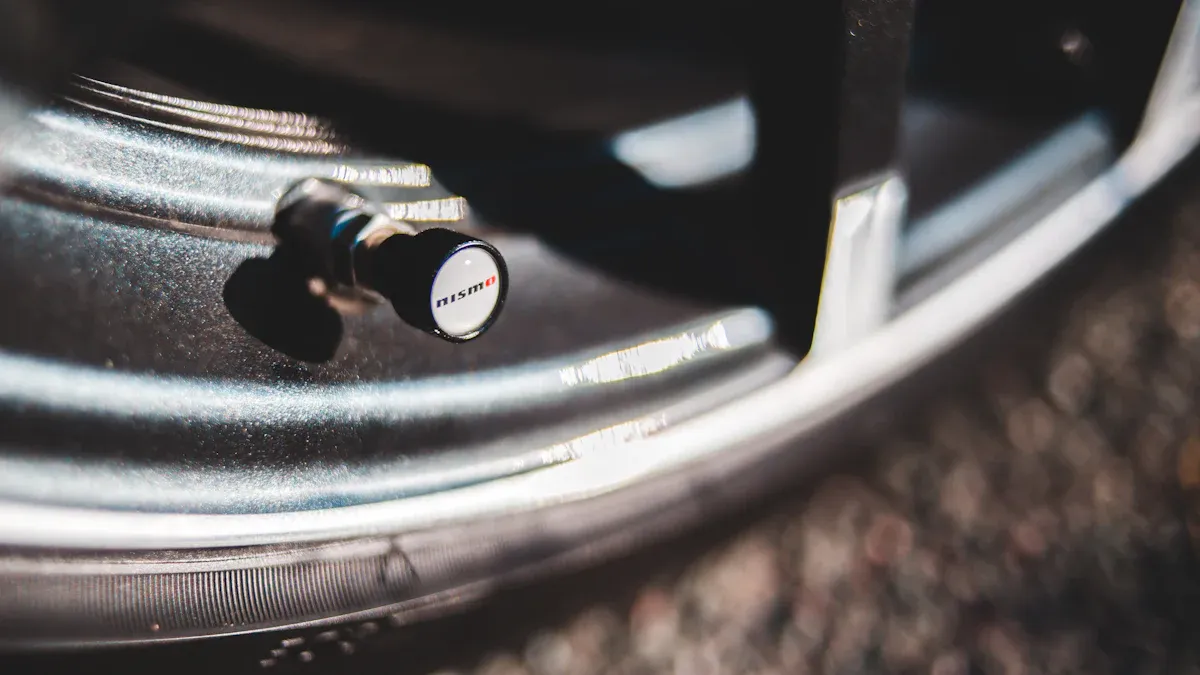
You might not think much about the small valve on your tire, but it plays a huge part in keeping you safe on the road. The valve stem rubber lets you add air to your tire and keeps that air from leaking out. This simple part helps your tire stay at the right pressure, which means your car handles better, uses less fuel, and your tires last longer. If your valve stem rubber fails, you could end up with a flat tire or poor handling. You want your tires to stay properly inflated, so checking your valve stems is always a smart move.
The design of valve stem rubber makes it perfect for modern tire systems. Here’s why:
Rubber valve stems are cost-effective and flexible, but they must be made with materials that resist degradation from environmental factors to ensure longevity and performance.
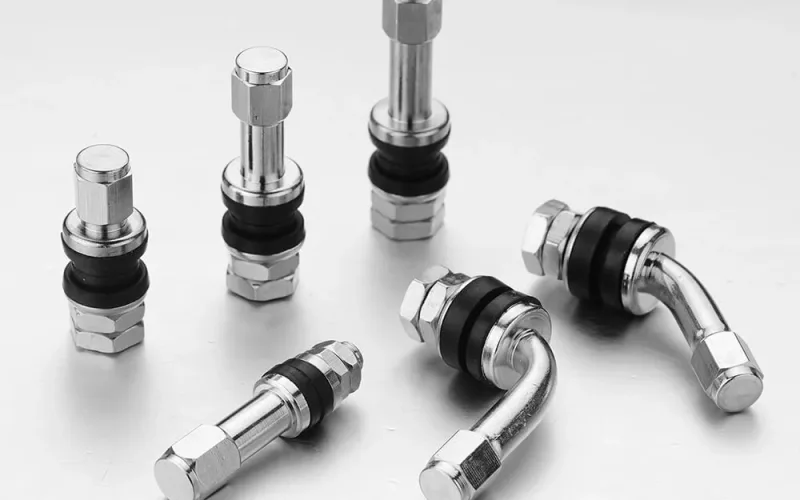
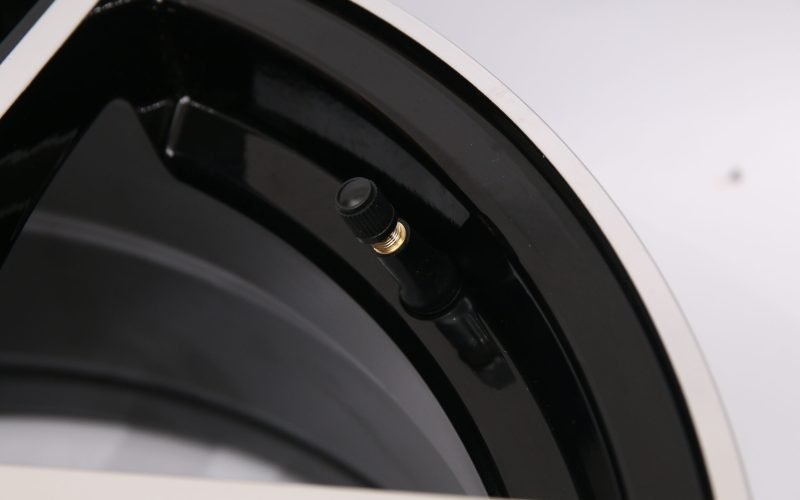
When you look at tire valve stem types, you’ll see two main choices: rubber and metal. Each type has its own strengths. Rubber valve stems use synthetic rubber, which gives them flexibility and better resistance to corrosion. Metal valve stems, often made from brass, offer more durability and can handle higher pressure. You might see metal stems on high-performance or heavy-duty vehicles.
| Feature | Metal Valve Stems | Rubber Valve Stems |
|---|---|---|
| Material | Brass | Synthetic Rubber |
| Durability | Higher | Lower |
| Corrosion Resistance | Lower | Higher |
If you drive every day and want something easy to install, rubber valve stems are a great choice. They fit most tires and work well with TPMS, making them a reliable option for most drivers.
You want to keep your car running without spending too much. Rubber snap-in valves help you do just that. Many drivers think metal stems cost more, but the price for rubber snap-in valves is about the same as metal ones. This might surprise you. You get a great value for your money, especially when you need to replace more than one valve at a time.
Rubber snap-in valves are everywhere. You can find them at almost any auto parts store or tire shop. Here’s a quick look at how rubber snap-in valves compare to other types:
| Type of Valve Stem | Applications | Pros | Cons |
|---|---|---|---|
| Rubber | Standard passenger vehicles, motorcycles, bicycles | Cost-effective, flexible, easy to replace | Less durable, pressure limitations |
| Aluminum | Performance vehicles, racing cars | Lightweight, durable, aesthetic appeal | More expensive, potential for damage |
| Brass | Heavy-duty vehicles, commercial trucks | Strong, corrosion-resistant, reliable | Heavier, can be costly |
You see rubber snap-in valves used on most cars, motorcycles, and even bicycles. They are easy to find and easy to buy. You do not have to search far or wait long to get your tires fixed.
Tip: If you want a quick and affordable fix, rubber snap-in valves are a smart choice for most drivers.
The average lifespan of a rubber snap-in valve is about 4-5 years under normal driving conditions. This means you can drive with confidence, knowing your stems will last for many miles.
You do not need to be a tire expert to install rubber snap-in valves. Tire shops and even some drivers can install these stems quickly. Rubber snap-in valves are easier to install than aluminum clamp-in stems. You just need a valve puller tool. You pull the stem through the hole in the wheel, and it snaps into place. Removal is just as simple. You use the same tool, and there is no twisting or turning needed.
Here are some reasons why you will like rubber snap-in valves for installation:
Rubber snap-in valves are flexible. This flexibility helps during tire maintenance or replacement. The stem bends without breaking, so you can work around it when changing tires. Take a look at how flexibility helps you:
| Feature | Description |
|---|---|
| Flexibility | Allows for easier installation during maintenance |
| Pressure Resistance | Can withstand air pressure up to 65 PSI |
| Common Usage | Found on most passenger cars and light trucks |
You get a stem that fits most wheels and stands up to regular use. The snap-in design works well for tubeless rubber snap-in valves, which are common on today’s vehicles.
Modern cars use tire pressure monitoring systems to keep you safe. You want your stems to work with these systems. Rubber snap-in valves can be compatible with TPMS. You just need to make sure you choose stems designed for TPMS use. This helps your tire pressure monitoring system give you accurate readings.
There are two main types of snap-in stems for TPMS:
Rubber snap-in valves work well for everyday driving. You see them on most cars and light trucks. They handle normal tire pressure and keep air inside your tires. Tubeless rubber snap-in valves are a popular choice for drivers who want easy maintenance and reliable performance.
Note: Always check that your rubber snap-in valves are made for TPMS if your car uses tire pressure monitoring.
Rubber snap-in valves make tire care simple. You get a stem that fits your needs, works with tire pressure monitoring, and keeps your tires ready for the road.
You might notice that rubber valve stems do not last forever. Over time, they can wear out, especially if you drive a lot or face tough road conditions. Here are some common reasons why rubber stems may fail:
You want your tires to stay inflated, so it is important to check your stems during every tire repair or service. If you see cracks or notice slow air leaks, you should replace the valve right away. Regular inspection helps you avoid bigger problems down the road.
Rubber valve stems work well for most cars and light trucks. However, if you drive a high-performance vehicle or something heavy like an RV or trailer, you need to think about pressure and speed. Metal stems and high-pressure snap-in valves are designed for these situations. They can handle much higher tire pressures, sometimes up to 160 PSI, and they stay sealed even at high speeds.
Let’s look at how different vehicles use valve stems:
| Vehicle Type/Environment | Valve Stem Type | Pressure Level |
|---|---|---|
| Cars and Light Trucks | Rubber | Moderate |
| Larger Vehicles (RVs, Trailers, Trucks) | High-pressure snap-in valves | High |
If you use your car for racing, towing, or heavy loads, high-pressure snap-in valves or metal stems give you better protection. They help prevent slow air leaks and keep your tire pressure steady, even when you push your vehicle to the limit. For everyday driving, rubber stems are fine, but for special uses, you need the right valve for the job.
Rubber valve stems can struggle in extreme weather. Hot summers and freezing winters both affect how long your stems last. When the temperature gets too high, rubber can lose its flexibility and start to crack. In cold weather, it can get too soft and may not seal as well. This can lead to slow air leaks and more trips to the repair shop.
Here are some environmental factors that can cause problems:
| Environmental Factor | Effect on Rubber Valve Stems |
|---|---|
| UV Radiation | Weakens the rubber, causes cracking and loss of strength |
| Extreme Temperatures | Heat causes hardening and cracking; cold can soften the seal |
| Oxidation | Changes the rubber’s flexibility and strength |
| Contact with Fluids | Exposure to chemicals or oil can break down the rubber |
If you live in a place with harsh weather or lots of sun, you should check your stems more often. Tire pressure monitoring systems can help you spot problems early, but you still need to look for signs of damage. Regular service and repair keep your tires safe and your car running smoothly.
Tip: Always ask your repair shop to check your valve stems during every tire service. This simple step can save you from unexpected leaks and keep your tire pressure monitoring working right.

You want a valve that makes your life easier. Rubber snap-in valve stems work best for most daily drivers. You can count on them for regular cars, motorcycles, and even bicycles. These stems bend when you bump them, so they do not break easily. If you change your tires often, you will find rubber snap-in valve stems simple to replace. You do not need special tools or skills.
Here are some reasons why you might pick rubber snap-in valve stems:
If you drive in the city or on highways and want a no-fuss solution, rubber snap-in valve stems are a smart pick. You get flexibility and peace of mind for everyday use.
Sometimes, you need more strength. Metal clamp-in valves shine in tough situations. If you drive a high-speed car or use your vehicle for racing, you want the extra security that metal clamp-in valves provide. These stems handle higher pressure and last longer under stress. You can use high-pressure metal clamp-in valves for heavy-duty trucks or trailers. They work with almost any wheel and come in many shapes to fit unique needs.
Let’s look at what makes metal clamp-in valves stand out:
Tip: If you push your vehicle to the limit or need extra durability, metal clamp-in valves and aluminum clamp-in stems are your best bet.
You want your tires to stay safe and last longer. Picking the right valve stem type helps you do that. You should think about your car, how you drive, and what your tires need. Here are some things you should look at:
You also want to check a few more things before you choose:
Vehicle makers often say you should replace valve stems when you get new tires. This helps stop air leaks and keeps your tires safe. If you skip this step, you might face more costs later, especially if you have a fleet or use aluminum wheels. You should always check the size of the valve stem hole before you start the repair process. Sometimes, past repairs used the wrong size, which can cause problems.
Tip: If your car uses a tire pressure monitoring system, make sure your stems and tpms service kits match your vehicle’s needs.
You want parts you can trust. Fortune takes quality seriously. Every valve stem goes through strict checks before it leaves the factory. The company follows top industry standards to make sure you get safe and reliable products. Here’s a look at some of the quality standards Fortune meets:
| Quality Standard | Description |
|---|---|
| API Q1 | Latest quality management system upgrade |
| ISO 9001 | International standard for quality management |
| API 6D | Certification for pipeline valves |
| CE/PED | Compliance with European safety standards |
Fortune never uses poor materials. The team checks every step, from design to packaging. You get valve stems that work well with modern vehicles and support your tire’s performance. When you choose Fortune, you know your car is in good hands.
You want your tires to stay safe and last as long as possible. Taking care of your valve stems is a big part of that. Regular checks help you spot problems before they turn into bigger issues. Here are some simple ways to keep your valve stems in top shape:
You can see how often experts recommend checking and replacing valve stems in the table below:
| Source | Recommendation |
|---|---|
| Tire Review | Inspect valve stems every time a vehicle is serviced. Replace if cracks or hissing are found. |
| Simple Tire | Check valve stems during routine tire maintenance visits. |
| Tire Hardware | Replace valve stems with new tires and check for cracks or leaks, especially in extreme conditions. |
| Terrell Hogan | Check tire air pressure monthly and inspect valve stems for cracks during this check. |
Tip: Make valve stem checks part of your regular tire care routine. This small step can save you from bigger problems later.
You can spot trouble with your valve stems if you know what to look for. Here are some signs that mean you should take action:
If you see any of these signs, replace the valve stem right away. Quick action keeps your tires safe and helps you avoid flat tires or blowouts. Regular cleaning and a little care go a long way in keeping your valve stems working well.
Rubber valve stems give you a cost-effective way to keep your tires safe for daily driving. You should think about your driving style, your vehicle, and your local weather before you pick a valve stem type. Experts say you need to replace rubber valve stems every time you change a tire. Consumers often notice slow leaks if they skip this step. Take a look at how expert advice matches real-world experience:
| Expert Insights | Consumer Experiences |
|---|---|
| Rubber valve stems should be replaced each time a tire is removed to prevent air leaks. | Consumers need to be vigilant about tire maintenance to avoid slow leaks. |
| Rubber stems can dry out and crack due to exposure to elements, especially UV rays. | Consumers report issues with air leaks that may not be immediately visible. |
| Service kits should be changed every time to ensure reliability. | Consumers experience costly repairs if maintenance is neglected. |
You want to rely on trusted brands like Fortune for quality and durability. Make sure you inspect valve stems often, replace them when needed, and ask a professional if you have questions. Tire pressure monitoring systems help you spot problems early, so you can keep your tires in great shape.
Tip: Regular checks and good tire pressure monitoring keep you safe and save you money.
You should replace rubber valve stems every time you get new tires. If you drive in harsh weather or notice cracks, replace them sooner. Regular checks help you avoid leaks and keep your tires safe.
Most rubber valve stems fit standard TPMS sensors. Always check your car’s manual or ask your tire shop to make sure you pick the right type for your system.
Look for these signs:
If you spot any of these, replace the valve stem right away.
Yes, rubber valve stems are safe for highway speeds on most passenger cars. For racing or heavy-duty vehicles, you might need metal stems for extra strength.
 Request a quote