What is the difference between rubber and metal tire valves?
 20Mar
20Mar 

You can help your tires last longer and keep your vehicle safe by caring for valve stem cores. Regular maintenance lowers the risk of air leaks, which means fewer roadside emergencies and less chance of tire blowouts. The numbers show clear benefits. Fewer road calls drop by 15.5%, tire replacements for low tread happen 144 times less, and heat warnings help prevent blowouts. Check the table below for more details:
| Impact Area | Result |
|---|---|
| Fewer Road Calls | 15.5% reduction |
| Extended Tread Life | 144 fewer tire replacements |
| Improved Driver Awareness | Better reporting and accountability |
| Predictable ROI | Payback in just over 8 months |
| Heat Mitigation | Early warnings stop blowouts |
Taking care of valve stem cores gives you peace of mind every time you drive.
You protect yourself and your vehicle when you care for valve stem cores. Air leaks often start small but can quickly become dangerous. If you ignore a faulty tire valve stem, you may notice slow punctures. These cause your tire inflation pressure to drop, which leads to poor fuel efficiency and uneven tire wear. Sometimes, a damaged valve can cause rapid deflation. This can make you lose control of your car or bike. In rare cases, a sudden blow-out can happen, especially at high speeds or under heavy loads.
Tip: Use soapy water on the valve area. If you see bubbles or hear hissing, you likely have a leak.
Common causes of leaks and safety risks include:
You extend the life of your tires and equipment with regular maintenance. Keeping valve stem cores in good shape helps you maintain the right tire inflation pressure. This prevents damage and keeps your tires wearing evenly. When you check your valve stem size chart and use the correct types, you avoid fitting errors that can cause leaks.
You rely on your tires every day. Proper care of valve stem cores ensures your vehicle performs as expected. When you keep your tire pressure at the right level, you get better fuel efficiency and safer handling.
By making valve stem care part of your routine, you keep your vehicle safe and reliable.
Valve stem cores come in several types. Each type has a unique design and function. You need to know which type fits your equipment best. This helps you choose the right valve stem core for your needs.
Schrader valve cores are common on cars, motorcycles, and some bicycles. You find them on lower pressure systems. The core uses a spring-loaded poppet that opens when you press it. Schrader valves have a diameter of 8 mm. They fit rims with larger holes. You usually see one standard valve stem length for Schrader valves.
Schrader valves are easy to use. You do not need to unscrew any parts to add air. You just press the pump onto the valve.
| Feature | Schrader Valve |
|---|---|
| Diameter | 8 mm |
| Valve Stem Length | One standard length |
| Opening Mechanism | Spring-loaded poppet |
| Pressure Suitability | Lower pressure systems |
| Rim Compatibility | Requires larger hole |
Presta valve cores are popular on road bikes and high-performance bicycles. You find them on higher pressure systems. Presta valves are narrower, with a diameter of 6 mm. They often come in longer valve stem lengths, ranging from 48 mm to 80 mm. The core uses a manual nut that you must unscrew to let air in.
Tip: Always tighten the nut after inflating your tire. This keeps the valve stem core sealed and prevents leaks.
Tubeless valve cores are designed for tires without inner tubes. You see them on modern bicycles, motorcycles, and some cars. Tubeless systems use either Schrader or Presta types, but the core must seal tightly to prevent air loss.
Tubeless systems require careful installation. Always check for leaks after mounting your tire.
You can choose the best valve stem core by understanding the types, valve stem lengths, and pressure ratings. Use the valve stem size chart to make sure you get the right fit for your equipment.
High-pressure and large bore valve cores play a key role in heavy-duty vehicles and equipment. You see these cores on trucks, buses, tractors, and industrial machines. These valve stem cores handle much higher air pressure than standard car or bike valves. Large bore cores allow air to flow quickly, which helps you inflate or deflate big tires faster. You need strong materials for these cores because they face tough conditions, such as extreme temperatures and heavy loads.
You should check high-pressure valve stem cores often. Dirt, moisture, and corrosion can cause leaks or blockages. If you work with large bore valves, you must use the right tools to remove and install the cores. Always use valve caps to keep out debris. If you notice slow leaks or trouble inflating your tires, inspect the core for damage or wear.
Tip: Replace high-pressure and large bore valve stem cores during regular tire service or if you see signs of corrosion. This helps prevent sudden air loss and keeps your equipment safe.
You need to know how different valve stem core types affect your maintenance routine. Each type has unique features and service needs.
You should match your maintenance routine to the types of valve stem cores on your vehicle or equipment. Regular inspection and cleaning help you avoid leaks and keep your tires working well.

You keep your tires safe and your vehicle running smoothly when you inspect valve stem cores regularly. Tire manufacturers recommend checking the tire valve stem every time you replace a tire. This routine is similar to changing an air filter during an oil change. You should also inspect valve stem cores if you drive in harsh climates or ride frequently.
You can spot problems early by following a simple inspection schedule. This habit helps you maintain proper tire inflation pressure and avoid unexpected leaks.
Tip: Make inspection part of your monthly maintenance routine. You protect your tires and extend their life.
You remove dirt and debris from valve stem cores by using the right cleaning methods. Compressed air works well for blowing out dust and small particles. Hold the nozzle close to the valve and give short bursts to clear away debris.
Isopropyl alcohol is safe for most valve materials and helps dissolve grease or residue. You keep the valve stem cores working properly when you clean them during tire changes or regular maintenance.
Note: Avoid using harsh chemicals. Stick to isopropyl alcohol and compressed air for best results.
| Cleaning Method | Effectiveness | Best Use Case |
|---|---|---|
| Compressed Air | Removes dust/debris | Quick cleaning before service |
| Soft Brush | Gentle cleaning | Surface dirt around valve |
| Isopropyl Alcohol | Dissolves grime | Deep cleaning during rotation |
You protect valve stem cores from corrosion and wear by using silicone-based lubricants. Products like Molykote® 111 Compound work as both lubricants and sealants. These lubricants stay effective in extreme temperature ratings and tough conditions. Studies show that aluminum coated with silicone-based lubricants does not corrode, even after months in water.
Valve caps play a key role in keeping dirt and moisture out of the tire valve stem. Caps act as a secondary seal, blocking debris and water. This extra layer helps prevent corrosion and air leaks, especially in bad weather.
Callout: Lubrication and valve caps work together to extend the life of valve stem cores. You reduce the risk of leaks and keep your tires performing at their best.
You need to know when to replace valve stem cores to keep your tires safe and your vehicle reliable. Damaged or worn valve stem cores can cause air leaks and lead to tire failure. You should not wait until you see a problem. Regular replacement is part of good maintenance.
When should you replace a valve stem core?
You should replace the valve stem core if you notice any of these signs:
You should also replace the tire valve stem core every time you change a tire. This practice helps prevent future leaks and keeps your tires working well. Many manufacturers recommend replacing valve stem cores during every tire service. You can check your vehicle’s manual or ask a professional for specific guidelines.
Tip: If you drive in areas with lots of road salt or moisture, inspect and replace valve stem cores more often. Salt and water speed up corrosion.
How do you choose the right replacement?
You need to select a valve stem core with a proper fit for your tire and rim. Using the wrong size can cause leaks or make installation difficult. Always check the valve stem size chart before you buy a replacement. You should match the type of valve stem core to your equipment. Schrader, Presta, tubeless, and high-pressure cores all have different sizes and designs.
| Valve Type | Common Replacement Interval | Signs for Immediate Replacement |
|---|---|---|
| Schrader | Every tire change | Leaks, corrosion, cracks |
| Presta | Every tire change | Loose nut, leaks, damage |
| Tubeless | Every tire change | Dirt, leaks, poor seal |
| High-Pressure | Every tire change | Rust, slow inflation, leaks |
What are the best installation tips?
You should always clean the valve area before installing a new core. Use compressed air or a soft brush to remove dirt. Apply a small amount of silicone-based lubricant to the threads. This step helps prevent corrosion and makes installation easier. Screw the new valve stem core in gently. Do not over-tighten, as this can damage the threads. After installation, check for leaks using soapy water.
Note: Always use a valve cap after installing a new core. The cap protects the valve from dirt and moisture.
Why does timing matter?
You keep your tires safe by replacing valve stem cores at the right time. Old or damaged cores can fail suddenly. You avoid roadside emergencies and costly repairs by following a regular replacement schedule. You also help your tires last longer and improve your vehicle’s performance.
You should make valve stem core replacement part of your regular maintenance routine. Set a reminder to check and replace cores during tire changes or every six months. This habit keeps your tires in top condition and gives you peace of mind.
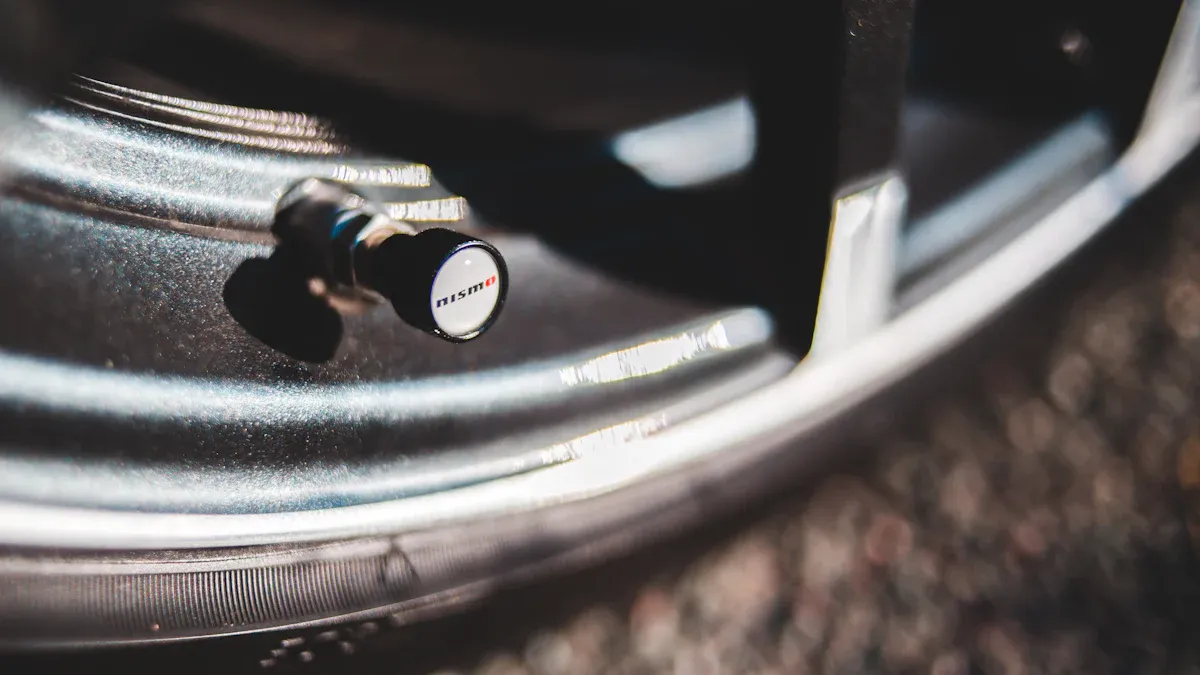
You can spot leaks in your tire valve stem by using a simple method. Spray soapy water on the valve stem and watch for bubbles. If you see bubbles, air escapes from the valve, which means you have a leak. Most leaks happen because of these reasons:
When you find a leak, remove the valve cap and inspect the core. Replace the valve core if you see damage or wear. Always check for leaks after installing a new core. This step helps you keep your tires safe and prevents sudden air loss.
Tip: Regular inspection and cleaning help you catch leaks early and avoid bigger problems.
You may face a stuck or damaged valve stem core if you notice trouble inflating or deflating your tire. To remove a stuck core, try these tools and techniques:
Always work slowly and carefully to avoid damaging the valve stem. Replace the core if you cannot remove it safely. Proper tools make the job easier and protect your equipment.
Corrosion and dirt build-up can shorten the life of your valve stem core. Corrosion often develops when metal parts face moisture, road salt, or harsh chemicals. Dirt and debris can enter the valve stem and block the seal. You can prevent these issues by following these steps:
Regular maintenance keeps your valve stem core clean and free from corrosion. Always use valve caps to block dirt and moisture. These steps help you extend the life of your tire valve stem and keep your tires performing well.
Note: Preventive care is the best way to avoid corrosion and dirt problems. Make cleaning and inspection part of your routine.
You can spot problems early by following a simple inspection checklist. Look closely at each valve stem before you drive or ride. Use this table to guide your inspection:
| Inspection Point | What to Look For |
|---|---|
| Stem and Packing | Check for cracks, corrosion, or surface wear. Make sure the stem sits straight. |
| Valve Cap | Confirm the cap is present and fits tightly. Replace if missing or damaged. |
| Valve Seat Condition | Look for chips or cracks. Test for leaks with soapy water. |
| Packing Material | Inspect for hardening or wear. Make sure it seals without leaking. |
| Lubrication | Apply a small amount of silicone-based lubricant to reduce friction and wear. |
Tip: Checking valve stems regularly helps you catch leaks and damage before they become serious.
You keep your valve stems in top shape by sticking to a regular cleaning and maintenance schedule. Follow these steps:
A monthly routine helps you prevent buildup and keeps your valves working smoothly.
You should replace valve stem cores every time you change a tire. Replace them sooner if you find cracks, corrosion, or leaks during inspection. Always use the correct size and type for your vehicle or bike. Set reminders for regular checks, especially if you drive in harsh conditions.
Note: Timely replacement of valve stem cores reduces the risk of sudden air loss and extends tire life.
You can extend the life of your valve stem cores by following a few simple steps. Regular inspections help you spot leaks and damage early. Monthly lubrication and protection from moisture keep your valves working well. Studies show that choosing the right valve type and maintaining proper tire pressure lowers accident risk and improves safety.
Routine checks and timely replacements give you peace of mind and help your tires last longer.
| Actionable Tip | Benefit |
|---|---|
| Inspect for leaks and damage | Prevents sudden tire failure |
| Lubricate monthly | Reduces friction and wear |
| Protect from moisture | Avoids corrosion and leaks |
Stay consistent with your maintenance to keep your vehicle safe and reliable.
You should inspect valve stem cores every month. Look for cracks, leaks, or missing caps. Regular checks help you catch problems early and keep your tires safe.
Valve stem cores control air flow in tires. You use them to inflate or deflate tires. They also help seal the tire and prevent air leaks.
A tire pressure monitoring system alerts you when tire pressure drops. If a valve stem core leaks or fails, the system shows a warning. You should check the valve stem core if you see a low-pressure alert.
Use compressed air to blow away dust. Wipe the valve area with isopropyl alcohol and a soft cloth. Cleaning keeps the valve stem core working well and prevents leaks.
Replace the valve stem core during every tire change. Change it sooner if you see damage, corrosion, or leaks. Timely replacement helps you avoid sudden tire failure.
 Request a quote