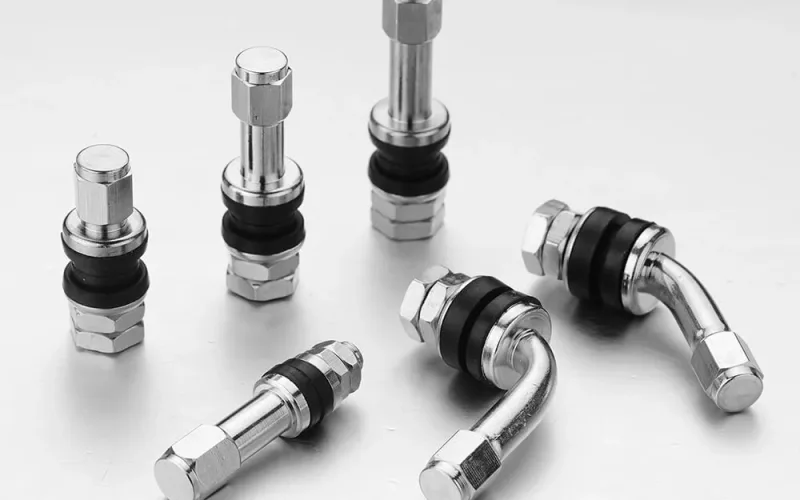
What is the difference between rubber and metal tire valves?
 20Mar
20Mar 

You rely on the tyre valve stem core every time you drive. This small part sits inside the valve and controls air flow in your tire. When it works well, you enjoy a safer and more efficient ride.

You see the tyre valve stem core as a small but vital part inside every tire valve stem. This core acts like a gatekeeper for air. When you inflate your tire, the core lets air in. When you finish, it seals tightly to keep air from leaking out. You depend on this part to maintain the right pressure in your tires.
Automotive engineering standards describe the main components that work together in the valve system.
Each part has a specific job. The valve cap protects the core from dirt and moisture. The valve core controls air flow. The valve extension helps you reach the valve in deep or hard-to-access wheels. You rely on these parts every time you check or adjust your tire pressure.
Tip: Always replace the valve cap after checking your tire pressure. This simple step keeps the core clean and working well.
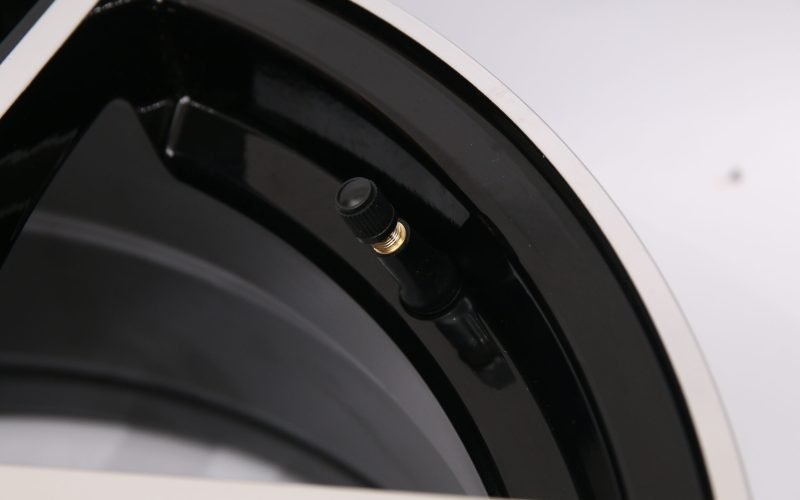
You find the tyre valve stem core inside the tire valve stem. This stem sticks out from the wheel, making it easy for you to add or release air. The core sits deep within the stem, hidden from view but easy to reach with the right tool.
The location and design of valve stems can change depending on your vehicle.
You can always find the core by looking for the small metal or rubber stem on your wheel. If you unscrew the cap, you see the opening where the core sits. You need a valve core removal tool to take it out or replace it.
Note: If you notice air escaping from your tire, check the valve stem core first. A faulty core can cause slow leaks and lower tire pressure.
You find that the tire valve stem core sits inside the valve stem and acts as the heart of the air control system. The core is a small metal piece that threads into the stem. It features a spring-loaded pin and a tight seal. This design helps you keep air inside your tire and lets you add or release air when needed.
Manufacturers use different materials to build valve cores. Each material offers unique benefits for durability and performance. Here is a table showing common materials and their durability ratings:
| Material | Durability Rating |
|---|---|
| Brass | Longer lifespan and better performance in truck tire applications. |
| Nickel Plating | Adds extra durability and longevity, rated for high temperatures. |
| EPDM Rubber | Outlasts natural rubber and resists environmental degradation. |
Nickel-plated valve cores help you prevent contact corrosion and ensure high tightness. Brass cores work well, but you should use caution with aluminum tire pressure sensor valve stems to avoid corrosion. EPDM rubber resists environmental damage and lasts longer than natural rubber.
You control air flow in tire valve stems using the spring-loaded pin inside the core. This pin acts as a gate. When you press it, air escapes from the tire. When you inflate the tire, the air pump pushes the pin down, letting air enter. Once you stop inflating, the pin springs back and seals the valve, keeping air inside.
The valve core serves as the main seal. It must be tightly secured in the valve stem chamber to maintain tire pressure. The spring mechanism allows you to inflate or deflate the tire as needed. The seal prevents air from escaping, even when you remove the valve cap.
Tip: Always check that the valve core is snug and secure. A loose core can cause slow leaks and lower tire pressure.
You can operate the tyre valve stem core easily during routine tire maintenance. Here are the basic steps you follow:
You see that the tyre valve stem core makes tire maintenance simple and safe. You keep your tires at the right pressure, which helps you drive safely and efficiently.
You depend on the tyre valve stem core to keep your tire pressure at the right level. When the valve core seals tightly, your tire holds air and stays at the recommended psi. If the seal fails, you risk air pressure loss, which can lead to a leak. Regular inspection of tire valve stems helps you spot problems early. You should check for cracks, dirt, or signs of wear. Proper installation of the valve stem, including correct torque and alignment, keeps the seal strong and prevents pressure loss. Timely replacement of old valve stems protects your tire from unexpected leaks, especially when you inflate your tire to its maximum tire inflation pressure.
Tip: You can use a tire pressure gauge to check your tire pressure every month. This simple habit helps you catch leaks before they become a problem.
You improve your safety and save money when you keep your tire valve stem core in good condition. Faulty valve stems can cause flat tires or blowouts. The National Highway Traffic Safety Administration (NHTSA) investigated up to 30 million potentially faulty tire valves installed in vehicles from 2006 to 2007. Over 200 complaints reported cracked valves and air leaks, with many incidents of flat tires and blowouts within 8 to 14 months.
| Evidence Type | Details |
|---|---|
| Number of Faulty Valves | Up to 30 million potentially faulty tire valves installed in vehicles from 2006 to 2007. |
| Complaints Filed | Over 200 complaints reported to the NHTSA regarding cracked valves and air leaks. |
| Incident Outcomes | Complaints included incidents of flat tires and blowouts, particularly within 8 to 14 months. |
| Investigation by NHTSA | Increased investigation into the safety of these valve stems due to the complaints received. |
You also extend the life of your tire and improve fuel efficiency when you maintain proper tire pressure. Proper tire pressure reduces rolling resistance, which helps your car use less fuel. Consistent tire pressure ensures even tire wear, so you do not need to replace your tires as often.
You protect your vehicle and your wallet when you choose quality tire valve stems. High-quality valve stems and valve cores resist corrosion and last longer. They keep your tire inflation pressure steady, which means your tire wears evenly and your car uses fuel efficiently. TPMS (Tire Pressure Monitoring System) helps you keep track of your tire pressure and extends the life of your tire tread. When you use reliable valve stems, you avoid air pressure loss and prevent premature tire degradation.
Note: You should always choose valve stems and valve cores made from durable materials. This choice helps you drive safely and saves you money in the long run.

You may notice several signs when your valve stem core is not working properly. Automotive technicians often report these common issues:
During routine tire inspections, you might also see:
If you spot any of these signs, you should check your valve stem core right away to avoid air pressure loss and further tire damage.
You can keep your tire valve stems in good shape by following a few simple steps:
Tip: Always maintain the valve stem by keeping it clean and dry. This helps prevent leaks and keeps your tire inflation pressure at the right psi.
You should replace your valve core whenever you install new tires or notice signs of corrosion, leaks, or trouble holding pressure. Industry standards recommend replacing valve stems and valve cores with every tire change, especially if you drive in extreme heat or harsh conditions.
To replace a valve stem core safely, follow these steps:
Note: Regular checks and timely replacement help you avoid air pressure loss and keep your tire performing safely.
You can keep your tire valve stem core in top shape with a few simple habits. Start by checking the valve and valve core for corrosion. Moisture and road salts can cause rust, which leads to a leak. Use a tire pressure gauge to check your psi every month. This helps you spot problems before they get worse.
When you handle the valve cap, avoid overtightening. If you twist it too hard, you might damage the stem or the valve core. Make sure the cap is snug but not too tight. This keeps dirt and water out, which protects the schrader valve inside. If you need to inflate the tire, always use a clean air hose to prevent debris from entering the valve.
Here are some expert tips to help you:
Tip: Replace the valve core if you notice any trouble holding air. A fresh core helps you maintain the right psi and avoid a sudden leak.
You might see real problems if you ignore valve care. For example, a driver noticed his tire kept losing air. He checked the tire for nails but found nothing. After using a tire pressure gauge, he saw the psi dropped every week. He removed the valve cap and found corrosion on the valve core. Replacing the core fixed the leak.
Another driver tried to inflate the tire but heard a hissing sound. The schrader valve had a damaged seal. Air escaped as soon as he removed the pump. He replaced the valve core and the tire held air again.
These stories show how small issues with the valve can lead to bigger problems. Regular checks and quick fixes keep your tires safe and your car running smoothly.
You rely on the valve stem core to keep your tire safe and efficient every day. Regular checks and maintenance help you prevent air leaks and extend tire life.
| Benefit | Explanation |
|---|---|
| Maintains tire pressure | Keeps your vehicle handling and braking at their best. |
| Prevents slow air loss | Reduces risk of flats and uneven wear. |
| Improves fuel efficiency | Proper inflation lowers rolling resistance and saves fuel. |
Many drivers think missing a valve cap is harmless. In reality, debris and water can enter the core, causing leaks and damage.
Choose to prioritize valve care. You protect your safety and enjoy smoother driving.
You can find a leak in a tire by spraying soapy water on the surface and around the valve. Bubbles will form where air escapes. This method helps you spot small leaks quickly. Many auto shops use this technique for fast and accurate results.
You should check your valve stem core every month. Regular checks help you catch problems early. Many experts recommend inspecting the valve when you check tire pressure. This habit keeps your tire safe and prevents slow leaks.
You may see valve stem core failure from corrosion, dirt, or physical damage. Exposure to moisture and road salt increases the risk. Old age also weakens the core. Regular cleaning and timely replacement help you avoid these problems.
You can replace a valve stem core with a simple tool. Remove the valve cap, use a valve core remover, and install a new core. Many drivers handle this task at home. Always check for leaks after replacement.
Proper tire pressure helps you maintain control of your vehicle. Low pressure increases the risk of blowouts and uneven wear. You save fuel and extend tire life when you keep the pressure at the recommended level. Many accidents happen because of underinflated tires.
 Request a quote